What Should I Wear for Gorilla Trekking?
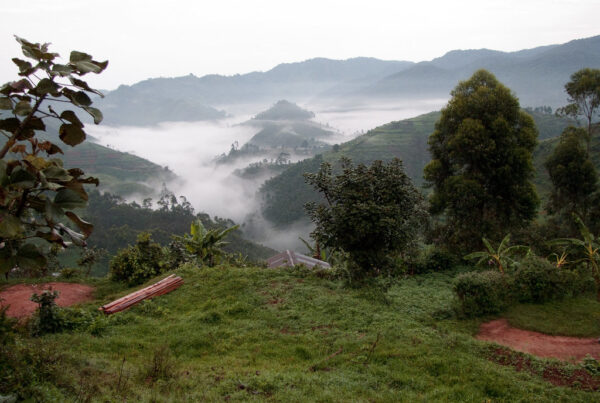
What to wear for gorilla trekking. Gorilla trekking takes place in dense forests, steep slopes, and unpredictable weather. The right clothing makes the trek safer, more comfortable, and more enjoyable. The forest holds mud, stinging nettles, insects, and shifting temperatures, so trekkers choose gear that protects the body while allowing free movement. What you wear shapes your experience because the trek demands focus, balance, and endurance. The right outfit prepares you for every moment on the trail.
Wear Lightweight, Long-Sleeved Clothing
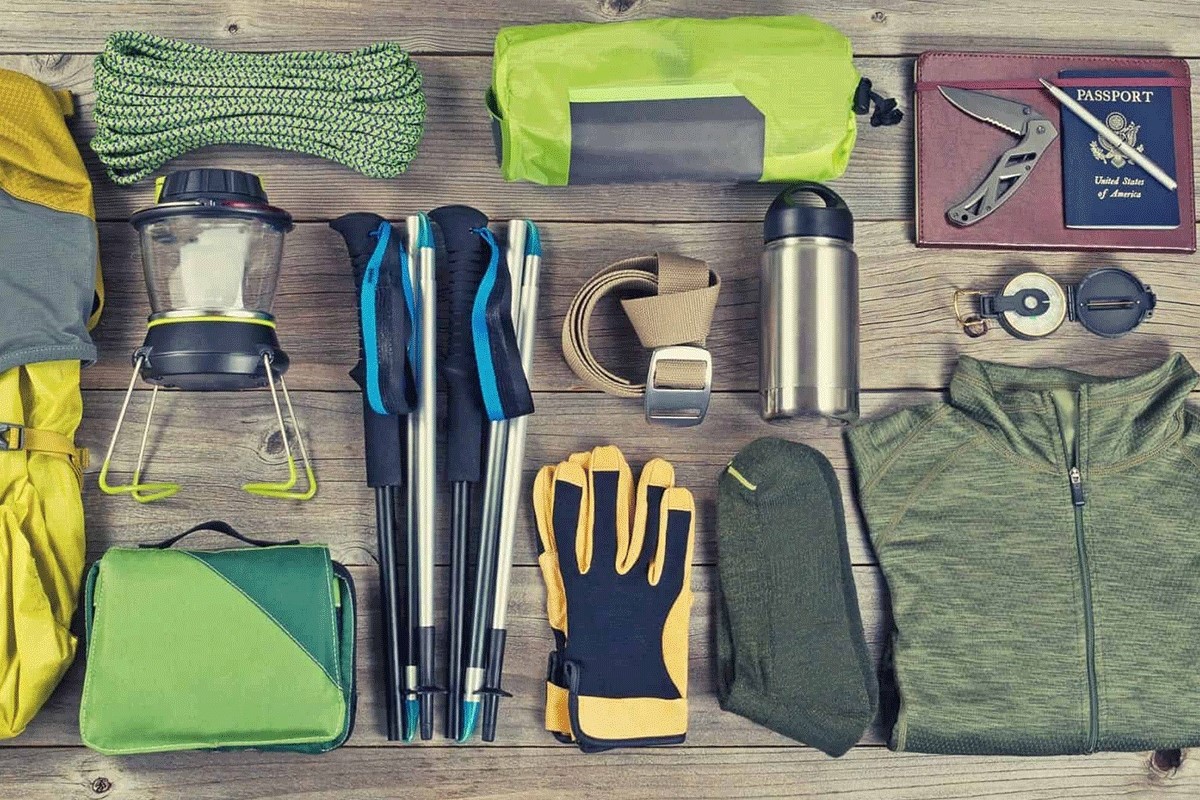
Long sleeves protect your arms from nettles, branches, and insects. Lightweight fabrics keep your body cool as you hike through humid forests. Breathable shirts and trousers help manage sweat and allow movement through tight vegetation. The forest feels warm in lower zones and cool at higher elevations, so layers that adjust easily work best.
Choose Long Hiking Trousers Over Shorts
Shorts leave your legs exposed to scratches, thorns, and biting insects. Long trousers create a protective barrier between your skin and the forest. Flexible, quick-dry fabrics move easily through mud and steep terrain. Tucking trousers into socks adds extra protection against ants.
Wear Sturdy Waterproof Hiking Boots
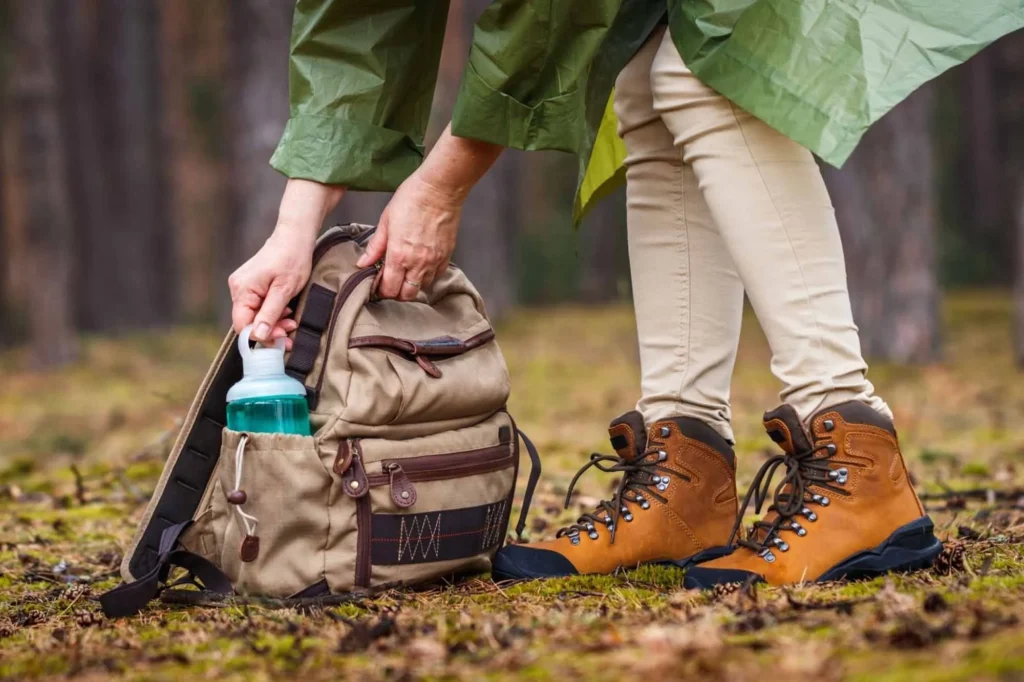
The trek crosses slippery roots, rocks, and muddy slopes. Strong boots support your ankles and prevent sliding. Waterproof boots help keep your feet dry when crossing wet ground. The grip on the soles provides stability, especially in the rainy months. Good boots turn a difficult trail into a manageable one.
Use Gaiters for Extra Protection
Gaiters cover the lower part of your legs and keep mud, water, and insects out of your boots. They help when walking through nettles or thick undergrowth. They also keep trousers clean, especially during long treks.
Carry a Lightweight Rain Jacket
Rain can fall at any time in gorilla forests, even in the dry season. A light, packable rain jacket protects you from sudden showers. It also acts as a wind layer when temperatures drop at higher altitudes. The forest often shifts from warm to cool within minutes, so a jacket helps you stay comfortable throughout the trek.
Wear Gardening Gloves or Light Hiking Gloves
Gloves protect your hands when grabbing branches, vines, or rocky surfaces for support. They also help when sliding through muddy sections. The forest floor sometimes requires you to steady yourself with your hands, so gloves prevent cuts and irritation.
Choose Neutral Colors
Earth tones such as green, brown, grey, and beige blend naturally with the forest. Bright colours distract wildlife and feel out of place in thick vegetation. Neutral colours also hide dirt better and suit the atmosphere of the forest.
Use Moisture-Wicking Layers
Sweat builds quickly during steep climbs, especially in humid zones. Moisture-wicking shirts and inner layers keep you dry and prevent chills when you stop moving. Comfort increases when your clothing manages temperature.
Wear a Hat for Sun or Drizzle
The trek often begins in open areas before entering the forest. A wide-brim hat or a cap protects your face from sun exposure in the morning. It also helps when light drizzle falls through the canopy. Once you reach the gorillas, you can remove it to avoid blocking the view for others.
Socks Matter More Than You Think
Thick, comfortable hiking socks protect your feet from blisters. Forest moisture softens the skin quickly, so socks create the cushion you need for long, uneven distances. Changing into dry socks after the trek feels refreshing, so packing an extra pair helps.
What Not to Wear
Avoid sandals because they offer no traction or protection.
Avoid jeans because they become heavy when wet and restrict movement.
Avoid very bright clothing because it distracts wildlife.
Avoid loose accessories like scarves or jewellery that can snag on vegetation.
Why the Right Clothing Improves Your Experience
The forest demands attention. Proper clothing removes distractions like discomfort, scratches, and cold. You focus on the moment with the gorillas without worrying about the climb. The right outfit also protects the forest because you move safely and with minimal disturbance. Trekking becomes smoother, quieter, and more respectful.
Plan Your Safari
If you want, I can create a complete packing list, a rainy-season clothing guide, or a Uganda vs Rwanda gear comparison.