Community Tourism in Bwindi – How Local People and Conservation Work Together
Community tourism in Bwindi Impenetrable National Park is a core pillar of conservation and sustainable travel in southwestern Uganda. Beyond gorilla trekking, Bwindi offers travelers meaningful opportunities to engage with the people who live around the forest and whose lives are closely tied to its protection. Community tourism initiatives were developed to ensure that local residents directly benefit from tourism while reducing pressure on forest resources.
These experiences are not staged performances but carefully structured interactions rooted in daily life, history, and cultural identity. Community tourism in Bwindi allows visitors to understand how conservation affects livelihoods, how traditions are preserved, and how tourism revenue supports education, healthcare, and sustainable development.
The Origins of Community Tourism Around Bwindi
When Bwindi was gazetted as a national park in 1991, surrounding communities lost access to forest resources they had depended on for generations. This transition created tension and economic hardship, particularly for forest-dependent groups. Community tourism emerged as a solution to bridge conservation goals with human needs, offering alternative income sources linked directly to protecting the forest.
Over time, structured programs were introduced to involve communities as guides, performers, artisans, porters, and lodge staff. Revenue-sharing schemes ensured that a portion of park income flowed back into local development projects. Today, community tourism is an essential part of Bwindi’s long-term conservation strategy.
Batwa Cultural Experiences
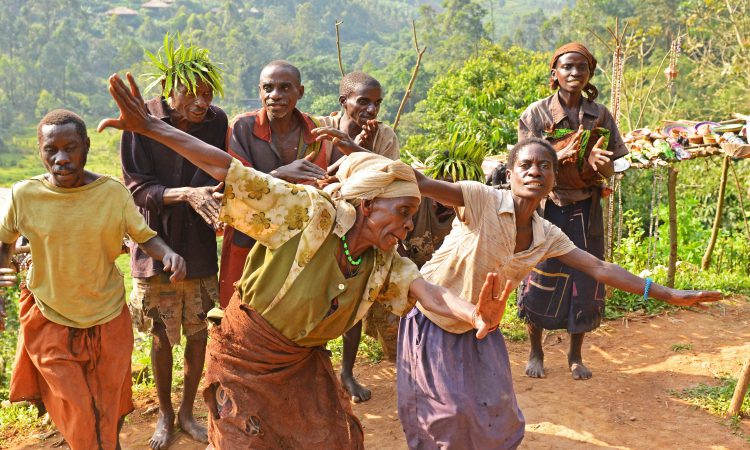
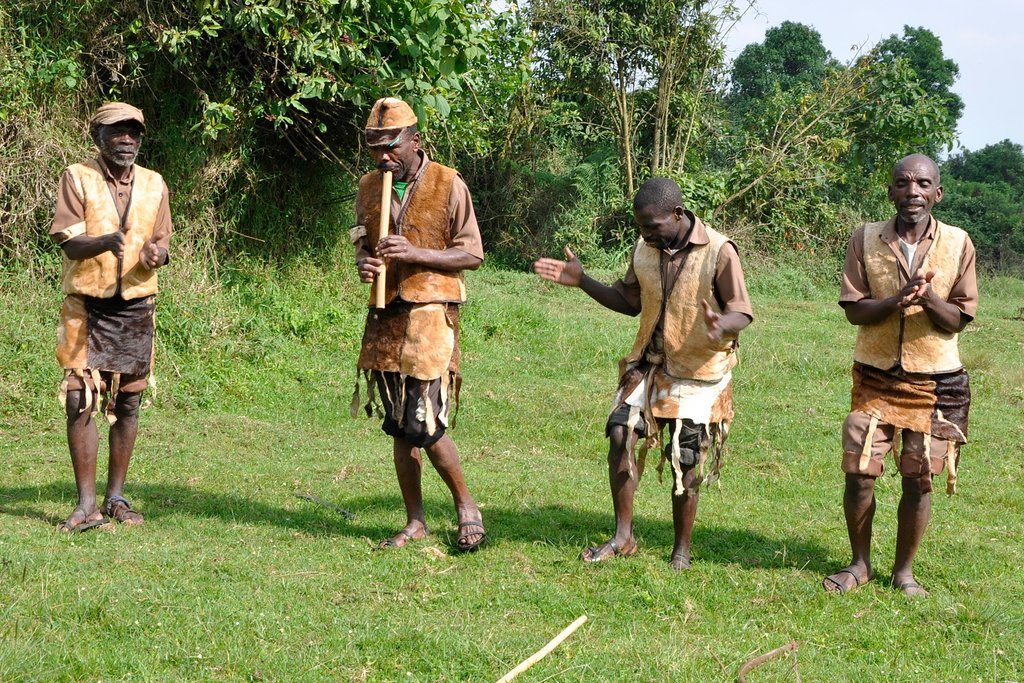
One of the most significant community tourism initiatives in Bwindi involves the Batwa people, the forest’s original inhabitants. After their relocation from the forest, cultural tourism became a way to preserve Batwa heritage while generating income. Batwa experiences focus on storytelling, traditional songs, dances, hunting techniques, and medicinal plant knowledge.
These encounters provide visitors with context about life before the forest became a national park. They are led by Batwa community members themselves, ensuring authenticity and dignity. The experiences also play an educational role, highlighting the social cost of conservation while showcasing resilience and cultural continuity.
Village Walks and Daily Life Encounters
Village walks around Bwindi offer insight into everyday rural life in southwestern Uganda. Guided walks take visitors through farming communities, homesteads, schools, and local markets. Travelers observe terraced agriculture, banana and tea cultivation, and traditional building methods adapted to the hilly terrain.
These walks emphasize conversation and observation rather than performance. Guests learn how families balance farming with conservation, how tourism income supports schooling, and how communities adapt to living beside a protected forest. The experience fosters mutual understanding and respect between visitors and hosts.
Community-Led Conservation Initiatives
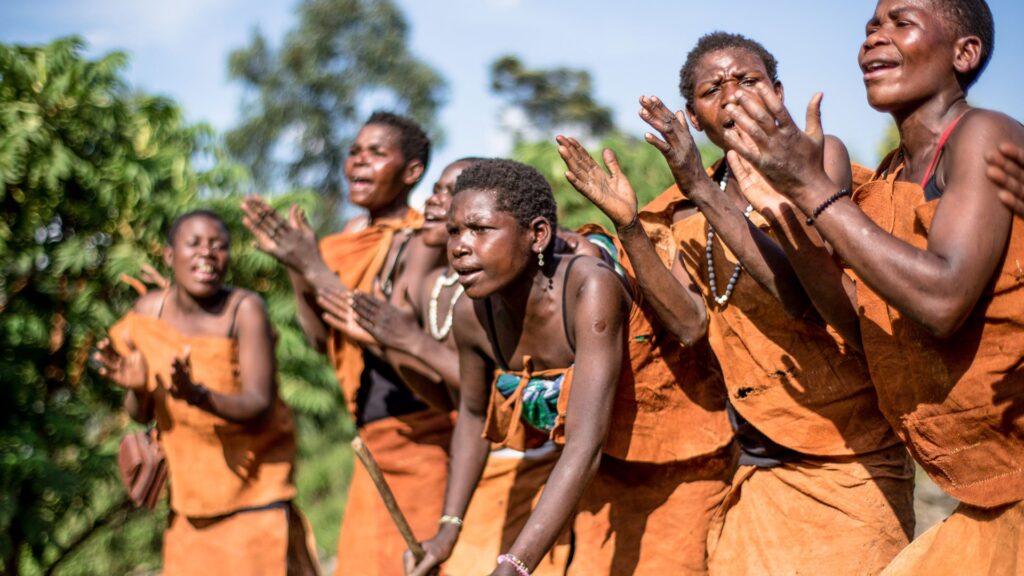
Many community tourism programs in Bwindi are directly linked to conservation outcomes. Revenue from tourism supports reforestation projects, anti-poaching awareness campaigns, and sustainable livelihood training. Beekeeping, craft production, and cultural guiding reduce reliance on forest extraction while maintaining income stability.
Local involvement has proven critical in protecting gorillas and their habitat. Communities that benefit from tourism are more likely to support conservation rules and report illegal activities. This partnership between residents and park authorities has contributed to Bwindi’s success as a conservation model.
Community-Based Accommodation in Bwindi
Accommodation plays a major role in supporting community tourism. Several lodges around Bwindi were developed with strong local ownership, employment, and revenue-sharing models. In the Buhoma area, Buhoma Community Rest Camp stands out as a pioneer of community-based accommodation. The camp employs local residents and channels profits into education, healthcare, and clean water projects.
In southern Bwindi, Nkuringo Bwindi Gorilla Lodge works closely with surrounding communities through employment, cultural experiences, and conservation initiatives. Although offering comfortable accommodation, the lodge maintains strong ties to community development and local sourcing.
Another notable example is Ride 4 a Woman Guesthouse, a women-led initiative supporting single mothers and vulnerable women through tourism. Staying at such properties allows travelers to contribute directly to social empowerment while enjoying proximity to gorilla trekking areas.
Craft Markets and Local Artisans
Community tourism in Bwindi also includes engagement with local artisans and craft cooperatives. Handwoven baskets, wood carvings, textiles, and beadwork reflect cultural traditions and provide supplemental income for households. These crafts are often sold through village cooperatives or lodge-supported markets.
Purchasing crafts directly from artisans ensures fair compensation and helps sustain traditional skills. For many families, craft income bridges seasonal gaps between farming cycles, reinforcing economic resilience.
Responsible Travel and Visitor Conduct
Community tourism thrives on respect and mutual understanding. Visitors are encouraged to approach interactions with openness, patience, and cultural sensitivity. Photography is usually permitted but should always follow guidance from local hosts. Participation focuses on learning rather than observation alone.
Responsible engagement enhances the experience for both visitors and communities. It transforms tourism from a transactional activity into a shared exchange that values people as much as wildlife.
Why Community Tourism Matters in Bwindi
Community tourism strengthens the link between conservation and human well-being. By providing tangible benefits to local residents, it reduces conflict, builds trust, and ensures long-term support for protecting gorillas and forests. For travelers, it adds depth and meaning to a gorilla safari, turning a wildlife encounter into a broader cultural journey.
Bwindi’s community tourism model is widely regarded as one of the most effective in Africa, demonstrating how conservation can succeed when people are part of the solution.
Plan Your Safari
Incorporating community tourism into a Bwindi itinerary enriches the overall experience. Allowing time for cultural encounters, village walks, and community-based stays deepens understanding of the region and supports sustainable travel. When combined with gorilla trekking, community tourism completes a journey that benefits both visitors and the people who call Bwindi home.