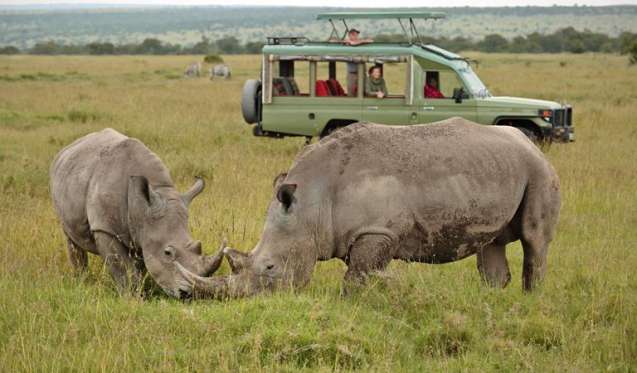
Affordable Big Five Safari Tours in Kenya
Experiencing the Big Five — lions, elephants, leopards, buffalo, and rhinos — doesn’t have to break the bank. With smart planning, value-focused choices, and efficient routing, you can enjoy incredible wildlife encounters on a budget in Kenya. Affordable safari tours focus on high wildlife density parks, shared vehicles, practical accommodation, and flexible scheduling that prioritizes wildlife viewing over luxury. The result is a safari that feels authentic, intimate, and rich without unnecessary costs.
For personalized budget safari packages and detailed planning, African Wild Trekkers tailors options that maximize your Big Five sightings while keeping your trip affordable and well-organized.
What Makes an Affordable Safari in Kenya
An affordable safari emphasizes value over luxury. This means choosing parks where wildlife is abundant and easy to find, sharing game-drive vehicles to spread costs, staying in comfortable but budget-friendly lodges or camps, and minimizing expensive extras such as flights or private transfers. Kenya’s national parks and reserves are well-suited to this style because wildlife densities are high, infrastructure is solid, and park access is straightforward.
The goal is simple: spend more time watching wildlife and less time and money on logistics that don’t affect your safari experience.
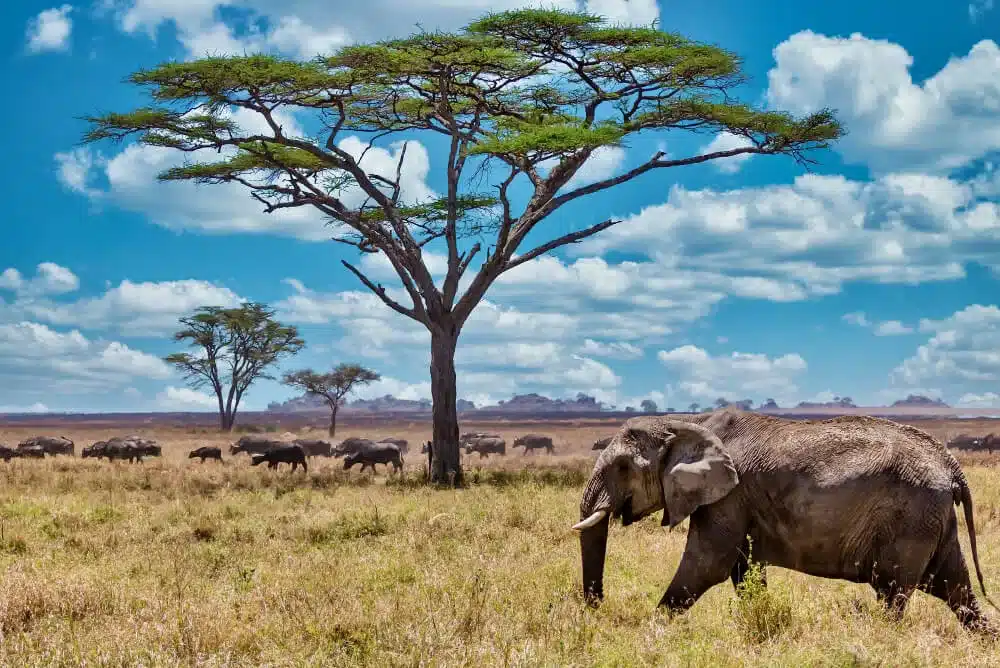
Top Budget-Friendly Big Five Safari Tour Options
1. Maasai Mara Express Safari (3–4 Days)
A short, focused safari is one of the most cost-effective ways to see the Big Five in Kenya. The Maasai Mara routinely delivers lions, elephants, buffalo, and leopards in concentrated wildlife areas. With a carefully planned itinerary, you can cover all five species — including rhino sightings in nearby conservancies or linked with another park — without long travel days or excessive costs.
This plan includes shared 4×4 game-drive vehicles, expert local guides, standard lodge or tented-camp accommodation, all park entry fees, and meals. By joining a group departure you reduce the per-person cost and still enjoy expert guiding and excellent sighting opportunities.
2. Amboseli + Tsavo Combination Safari (4–5 Days)
Combining Amboseli and Tsavo East creates excellent value for a budget safari. Amboseli’s open plains and swamps provide iconic elephant sightings with Mount Kilimanjaro views, mixed with regular lion and buffalo encounters. Tsavo East’s red-dust elephants and rhino sanctuaries add variety to the wildlife mix, increasing your chances of seeing all Big Five species.
This route reduces travel distances between parks and keeps drives within wildlife-rich zones, which means less time in transit and more time watching animals. Accommodation is mid-range and comfortable, with shared game drives that make the experience affordable without losing depth.
3. Lake Nakuru + Maasai Mara Safari (5–6 Days)
Pairing Maasai Mara with Lake Nakuru enhances rhino viewing — one of the Big Five you may not reliably see in Mara alone. Lake Nakuru National Park is one of Kenya’s best parks for both black and white rhinos within well-protected habitats that are easy to explore on game drives. This combination safari keeps transfer times reasonable while offering diverse landscapes and strong wildlife activity.
This option suits travellers who want a complete Big Five checklist without extending their safari into multiple distant parks.
4. Camping Safari – Traditional Budget Experience (6–7 Days)
For travellers who enjoy adventure, a budget camping safari into parks like Tsavo East, Tsavo West, and Amboseli delivers dramatic landscapes and consistent wildlife without high accommodation costs. Camping safaris typically include shared game drives, a safari vehicle with an experienced guide, and meals prepared by a safari cook.
Sleeping under canvas and gathering around the campfire create a classic safari atmosphere while keeping costs low—ideal for groups and budget-conscious explorers who value experience over luxury.
Best Time to Travel for Value and Wildlife
Choosing the right time of year helps stretch your safari budget further. The shoulder seasons—January to February and November to early December—offer strong wildlife viewing with lower accommodation rates and fewer visitors than peak dry months. During these times, grass remains manageable and wildlife activity stays high, so sightings remain rewarding without peak pricing.
The main dry season (June to October) delivers the most predictable Big Five encounters, but rates rise due to demand. Booking early or joining shared departures during this time can still yield great value.
Tips to Keep Your Safari Affordable
Join shared game drives or group departures instead of booking private tours.
Stay in mid-range lodges or tented camps rather than luxury properties.
Minimize domestic flights and use road transfers when possible to reduce costs.
Book early and travel during shoulder seasons to secure lower rates.
Focus on parks with high wildlife density — this increases the chance of seeing all Big Five species in fewer days and with less travel.
What’s Included in Budget Safari Packages
Affordable Big Five safari tours typically include:
Shared 4×4 game-drive vehicle with experienced guide.
Standard lodge, camp, or tented accommodation.
Park entry and conservation fees.
Meals (breakfast, lunch, dinner) per itinerary.
Bottled water and basic amenities.
Extras such as drinks, optional activities (e.g., walking safaris or balloon safaris), tips, and souvenirs are usually not included, keeping the base price lean and predictable.
Why Planning Still Matters
Even on a budget, safari success depends on thoughtful planning. Choosing the wrong park sequence or poorly timed drives can waste both time and money. Efficient routing maximizes wildlife sightings while minimizing travel time and costs.
For smart, affordable Big Five safari planning that delivers high wildlife value without unnecessary expense, African Wild Trekkers offers tailored itineraries, expert advice, and booking support that match your budget and priorities.
