Buhoma Community Tour – Culture, Conservation, and Local Life in Northern Bwindi
The Buhoma Community Tour is one of the most established and impactful cultural experiences around Bwindi Impenetrable National Park. Located in the northern part of the park, Buhoma was the birthplace of gorilla tourism in Uganda, and its surrounding communities have played a central role in shaping community-based conservation and tourism. The community tour offers visitors an opportunity to step beyond the forest and engage with the people whose lives are deeply connected to Bwindi.
This tour is designed to complement gorilla trekking by adding cultural and social context. It focuses on real village life, conservation challenges, and the ways tourism has transformed livelihoods over time. The experience is relaxed, educational, and grounded in everyday realities rather than staged performances.
Setting and Village Landscape
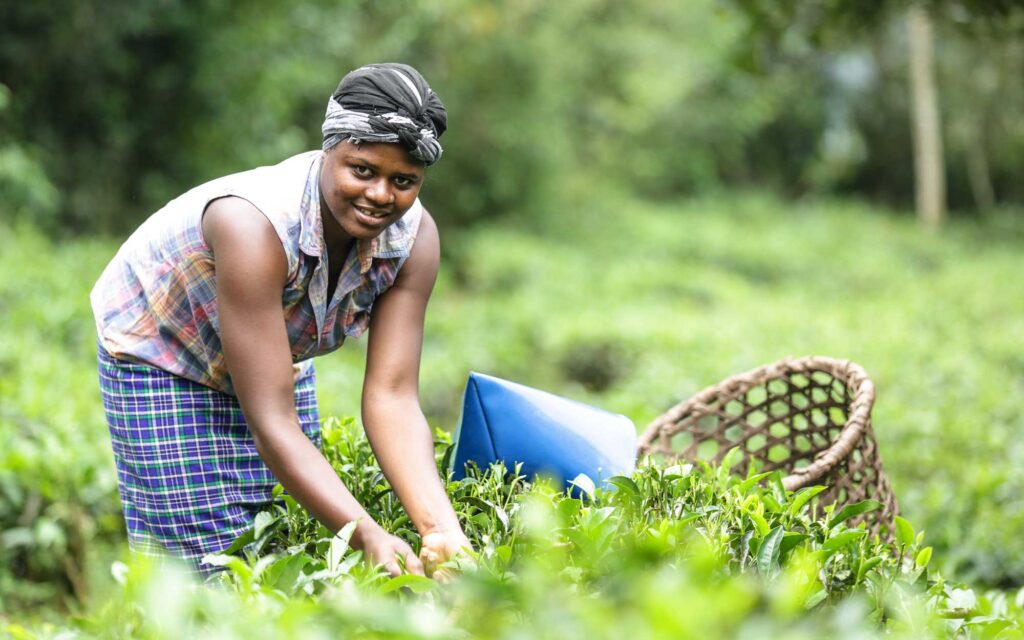
Buhoma lies at a lower altitude compared to southern Bwindi sectors, resulting in warmer temperatures and gentler terrain. The community tour follows footpaths through river valleys, cultivated hillsides, and forest-edge settlements. The landscape is lush and fertile, supporting crops such as bananas, coffee, beans, and vegetables that form the backbone of local livelihoods.
The proximity of villages to the forest is immediately apparent. Homes sit close to park boundaries, and daily life unfolds within sight and sound of the rainforest. This setting allows visitors to understand how closely intertwined conservation and community life are in Buhoma.
Daily Life and Livelihoods in Buhoma
A key focus of the Buhoma community tour is understanding how local people make a living. Most households depend on small-scale farming, supplemented by income from tourism-related activities. Visitors observe farming practices, learn about crop cycles, and gain insight into how families adapt to changing seasons and conservation restrictions.
Tourism has introduced new opportunities, including employment as guides, porters, lodge staff, dancers, and artisans. Guides explain how these roles reduce reliance on forest resources and create incentives for protecting wildlife. The tour highlights the shift from forest dependency to conservation-linked livelihoods.
Cultural Traditions and Community Identity
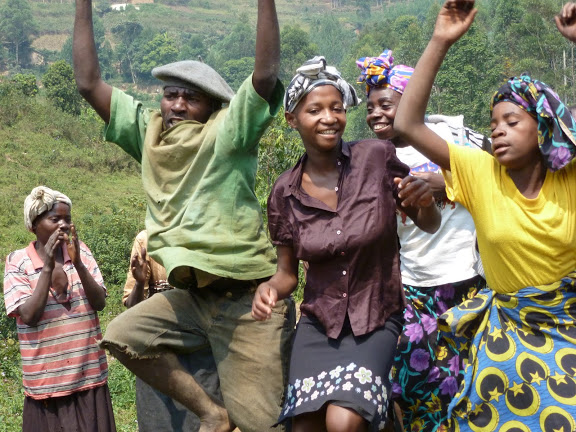
Cultural exchange during the Buhoma community tour is conversational and respectful. Visitors may be welcomed into homes, shown traditional cooking methods, or introduced to local crafts such as basket weaving and wood carving. These interactions provide insight into family structures, gender roles, and community cooperation.
Traditional music and dance are sometimes included as part of the experience. When presented, they are explained within cultural context, reflecting celebrations, storytelling, and communal identity rather than performances designed purely for visitors.
Conservation History and Community Involvement
Buhoma holds a unique place in Bwindi’s conservation history. As the first sector opened to gorilla trekking, the community experienced both the challenges and benefits of conservation earlier than other areas. Guides share stories of how attitudes toward wildlife have evolved alongside tourism development.
Visitors learn about revenue-sharing programs, education projects, healthcare initiatives, and infrastructure improvements funded by tourism income. These discussions help illustrate how community involvement has been critical to Bwindi’s success as a protected area.
Community-Based Tourism Initiatives
The Buhoma community tour often includes visits to locally managed projects that demonstrate the practical benefits of tourism. These may include schools, women’s groups, craft cooperatives, or community enterprises linked to conservation. Such initiatives provide tangible examples of how tourism revenue supports long-term development.
One of the most well-known examples of community-based tourism in Buhoma is the Buhoma Community Rest Camp, which is owned and managed by the local community. Profits from the camp support education, health services, and environmental projects, making it a cornerstone of responsible tourism in the area.
Lodges Supporting the Buhoma Community
Several lodges in Buhoma actively support community tourism and conservation. Buhoma Lodge is known for its strong sustainability practices and close collaboration with local communities through employment and development initiatives. Guests staying here are encouraged to participate in community tours as part of a holistic Bwindi experience.
Another notable option is Sanctuary Gorilla Forest Camp, which integrates community engagement into its operations through local sourcing and staff employment. These lodges help ensure tourism revenue remains within the region.
Responsible Visitor Engagement
Respectful behavior is central to the success of the Buhoma community tour. Visitors are encouraged to dress modestly, greet residents politely, and ask permission before taking photographs. The experience is based on mutual respect rather than charity, and spontaneous gift-giving is discouraged.
Engaging openly, listening attentively, and supporting local initiatives through guided tours and craft purchases create positive and lasting interactions between visitors and hosts.
Why the Buhoma Community Tour Matters
The Buhoma community tour provides essential context for understanding Bwindi beyond wildlife. It reveals how conservation affects real people and how tourism can become a powerful tool for positive change when communities are partners. For many travelers, this experience deepens appreciation for gorilla trekking and forest protection.
By participating in the tour, visitors contribute to a model of tourism that values dignity, sustainability, and shared responsibility.
Plan Your Safari
Including a Buhoma community tour in a northern Bwindi itinerary adds balance and meaning to a gorilla safari. Scheduling the tour before or after trekking allows time to reflect and connect. When approached with openness and respect, the Buhoma community tour transforms a wildlife visit into a richer cultural journey.
