Bwindi Altitude – How Elevation Shapes the Gorilla Trekking Experience
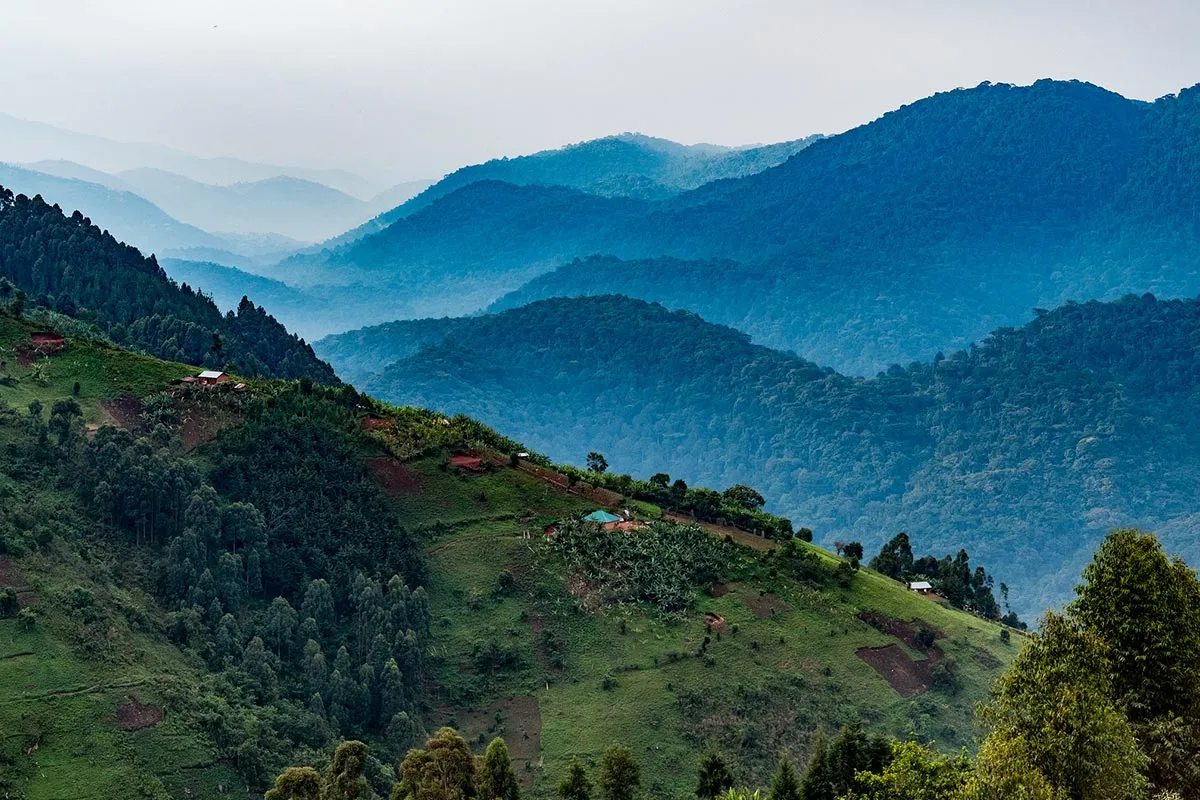
Bwindi Impenetrable National Park is defined as much by its altitude as by its dense rainforest. The park lies at elevations ranging from approximately 1,160 meters to about 2,607 meters above sea level, making it one of the highest-altitude protected rainforests in Africa. This wide elevation range creates a dramatic landscape of steep ridges, deep valleys, and layered forest canopies that directly influence climate, vegetation, and trekking conditions.
Bwindi’s altitude is one of the main reasons the forest feels cool, misty, and physically demanding. Unlike lowland tropical forests, Bwindi’s higher elevation moderates temperatures and supports a unique mix of montane and lowland species. For visitors, this altitude defines both the challenge and the reward of gorilla trekking in the park.
Altitude Variation Across Bwindi
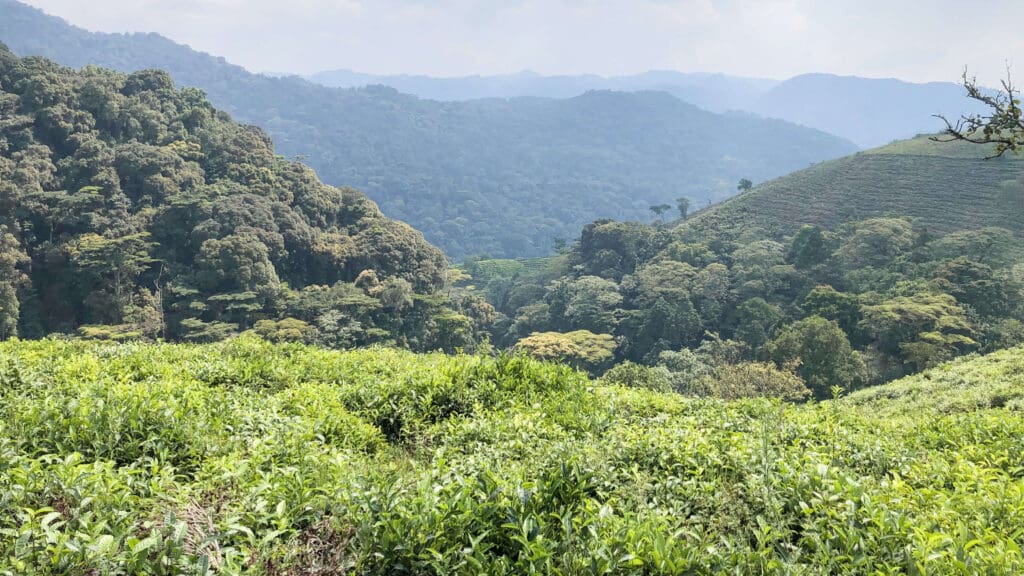
Bwindi is not uniformly elevated, and altitude varies significantly between its sectors. Northern and western areas such as Buhoma sit at comparatively lower elevations, while southern and eastern sectors like Nkuringo and Ruhija rise much higher. This variation explains why trekking experiences can feel very different depending on the sector chosen.
Higher-altitude areas tend to be cooler and steeper, with longer ascents and descents along narrow forest trails. Lower-altitude zones may feel slightly warmer and less strenuous, though still physically engaging. Understanding this variation helps travelers choose sectors that best match their fitness levels and trekking expectations.
How Altitude Affects Climate in Bwindi
Bwindi’s altitude directly influences its climate. Higher elevations experience cooler temperatures, frequent mist, and increased rainfall, particularly in the early mornings and late afternoons. This creates the classic cloud-forest atmosphere for which Bwindi is famous, with moisture clinging to leaves and tree trunks.
Lower elevations within the park are marginally warmer and may feel less damp, but rainfall remains common throughout the forest. Overall, Bwindi’s altitude ensures that the park stays green year-round, supporting constant food availability for gorillas and other wildlife.
Altitude and Gorilla Habitat
Mountain gorillas thrive in Bwindi largely because of its altitude. The elevation supports dense vegetation, bamboo zones, and fruiting plants that form the gorillas’ primary diet. The cooler climate reduces heat stress and allows gorillas to remain active throughout the day.
Different gorilla families occupy varying altitude zones depending on food availability and seasonal movement. This means trekking distances and difficulty can change daily, even within the same sector. Rangers track these movements closely, adapting trekking routes to ensure safe and successful encounters.
Physical Impact of Altitude on Trekkers
Bwindi’s altitude does not usually cause severe altitude sickness, but it can affect breathing and stamina, especially for travelers arriving directly from low elevations. Combined with steep terrain and humidity, even moderate altitudes can make treks feel more strenuous than expected.
Visitors often notice increased fatigue during uphill sections and slower recovery times. Taking regular breaks, staying hydrated, and maintaining a steady pace significantly improve comfort. Rangers are trained to manage group speed according to participants’ abilities, ensuring safety throughout the trek.
Sector-Specific Altitude Differences
Southern sectors such as Nkuringo are among the highest and steepest parts of Bwindi. These areas offer dramatic views over the Virunga Volcanoes but demand stronger physical effort. Eastern areas like Ruhija also sit at higher elevations and are known for cooler temperatures and frequent mist.
Buhoma, located at a lower altitude, often appeals to travelers seeking slightly gentler terrain and warmer conditions. While still challenging, treks here may involve fewer extreme elevation changes. These differences make sector choice an important consideration when planning a gorilla safari.
Altitude and Trekking Difficulty
Altitude amplifies the physical difficulty of gorilla trekking in Bwindi. Steep slopes, uneven ground, and constant elevation changes mean that trekkers are often ascending or descending rather than walking on flat terrain. Even short distances can feel demanding due to the vertical nature of the trails.
The reward for this effort is a deeply immersive experience. Higher elevations provide quieter forest zones, dramatic scenery, and a strong sense of accomplishment. For many visitors, the altitude-related challenge enhances the emotional impact of meeting gorillas in such a remote environment.
Preparing for Bwindi’s Altitude
Preparing for Bwindi’s altitude involves both physical and mental readiness. Arriving a day early allows the body to adjust slightly before trekking. Light exercise before travel helps build endurance, while proper footwear and layered clothing improve comfort during climbs and temperature changes.
Hiring a porter is strongly recommended, particularly in higher-altitude sectors. Porters assist with balance, carry daypacks, and reduce strain on steep sections, making the trek more manageable and enjoyable.
Why Bwindi’s Altitude Matters
Bwindi’s altitude is not a minor detail but a defining element of the entire gorilla trekking experience. It shapes the forest’s climate, biodiversity, trekking routes, and the sense of adventure visitors feel. The elevation creates a setting that feels wild, ancient, and deeply rewarding for those willing to embrace the challenge.
For travelers seeking an authentic and physically engaging gorilla safari, Bwindi’s altitude is part of what makes the experience unforgettable.
Plan Your Safari
Understanding Bwindi’s altitude helps set realistic expectations and ensures better preparation. Choosing the right sector, allowing time to acclimatize, and planning for physical effort all contribute to a more enjoyable trek. With the right approach, Bwindi’s highland terrain delivers one of Africa’s most powerful wildlife encounters.
