Complete Guide to Mountain Gorilla Trekking in Rwanda, Uganda, and Congo
Mountain gorilla trekking in Rwanda, Uganda, and Congo offers one of the most emotional wildlife encounters on earth. Each country protects a unique gorilla population within the Virunga and Bwindi forests, and every trek reveals a different blend of terrain, culture, and atmosphere. Rwanda delivers quick access and smooth logistics. Uganda offers wide forest networks and the highest number of gorilla families. Congo provides raw, remote adventure within the dense Virunga habitat. Together, these destinations form a complete gorilla trekking circuit unmatched anywhere else in Africa.
Understanding the Mountain Gorilla Range
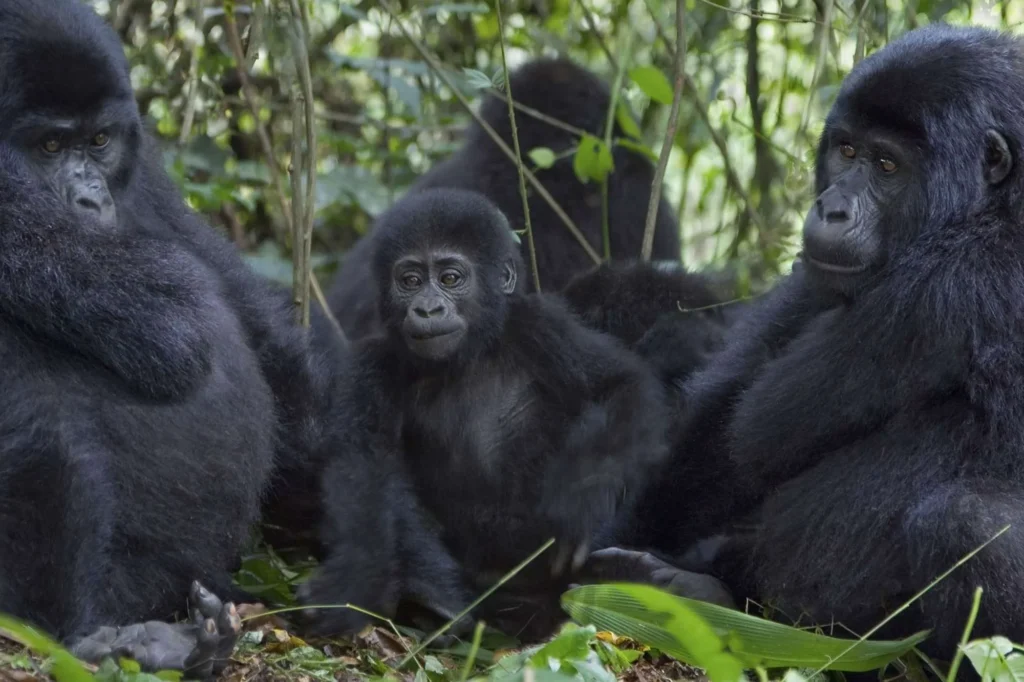
Mountain gorillas survive only in the high-altitude forests of the Virunga Massif and Bwindi Impenetrable National Park. These forests protect cool temperatures, thick vegetation, and abundant food. The gorillas move through ridges, valleys, bamboo belts, and deep ravines. Their social structure revolves around close family groups led by a silverback. Every encounter reveals grooming, feeding, resting, and gentle communication.
Gorilla Trekking in Rwanda
Rwanda’s Volcanoes National Park offers reliable sightings and easy access. The park sits two hours from Kigali, which allows travelers to trek without long transfers. The forest rises through bamboo and hagenia zones, and the trails offer steady climbs with open views toward the volcanic chain. Rwanda’s gorilla families stay near feeding zones and interact calmly with visitors. The experience feels smooth because the park maintains organized procedures and small trekking groups.
Permits cost more in Rwanda, but the high cost supports strict conservation and controlled visitor numbers. This creates a premium atmosphere that attracts travelers who prefer efficient logistics, shorter drives, and well-maintained routes.
Gorilla Trekking in Uganda
Uganda protects the largest number of mountain gorillas in Bwindi and Mgahinga. Bwindi’s terrain feels wild and diverse. Deep valleys, thick undergrowth, high ridges, and misty canopies create unpredictable and exciting trekking routes. The forest holds many habituated families across four sectors—Buhoma, Ruhija, Rushaga, and Nkuringo. Each sector reveals different landscapes and trekking styles. Some treks challenge hikers with steep climbs, while others unfold through gentle foothills.
Mgahinga adds a more dramatic volcanic backdrop. Trekkers meet the Nyakagezi family on the slopes of Gahinga and Sabyinyo. The scenery blends bamboo belts, open clearings, and mist-filled ridges. Uganda suits travelers who want variety, multiple trekking options, and more affordable permits than Rwanda.
Gorilla Trekking in Congo
Congo’s Virunga National Park offers raw adventure in one of Africa’s most biologically intense regions. The forest grows thick, humid, and full of life. The gorilla families live deep in the park, and trekkers follow trails shaped by volcanic ash, mossy lava formations, and tall vines. The experience feels wild because the area receives fewer visitors and preserves a remote atmosphere.
Congo suits travelers who enjoy off-the-grid exploration and want a trek that feels undiscovered. The forests provide dramatic scenery and deep solitude, and the gorilla families accept human presence after long periods of habituation.
What to Expect on a Typical Gorilla Trek
Trekkers start their day with a briefing led by rangers. This session explains behavior, forest rules, and trekking expectations. The hike begins slowly as the group enters the vegetation. The forest changes quickly—from bamboo to tall shrubs, vines, and dense foliage. As elevation increases, the air cools, and mist sometimes rises from the valleys. Rangers track the family and guide trekkers toward fresh signs.
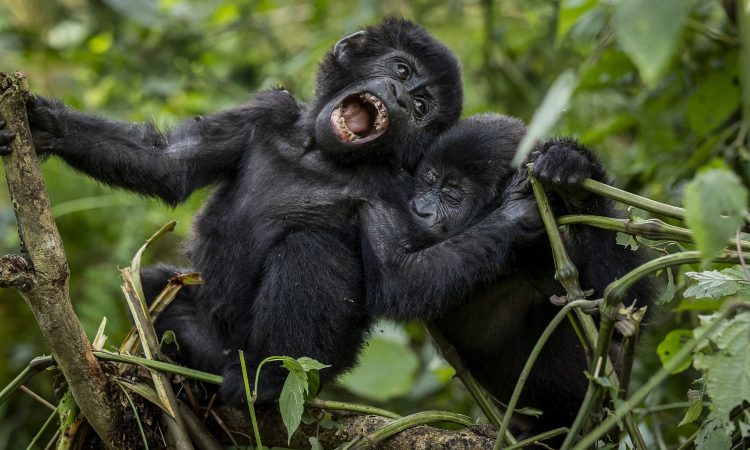
The moment with the gorillas lasts one hour. Trekkers watch gorillas feed on stems, groom one another, and move through the forest with soft grunts. Infants climb branches, juveniles play, and silverbacks rest calmly. The silence around the family deepens the emotional connection.
Best Time to Trek in Rwanda, Uganda, and Congo
Gorilla trekking works well year-round. Dry seasons from June to August and December to February offer firmer trails and clearer visibility. Wet seasons create fresher vegetation and dramatic mist but make trails slippery and demanding. Each season provides strong photographic moments and rich forest colors.
Fitness and Preparation
Steep slopes, thick vegetation, and altitude require good fitness. Trekkers benefit from consistent pacing and hydration. Hiking boots with a firm grip help on uneven ground. Long trousers protect legs from stinging plants, and gloves assist on steep sections. A rain jacket remains essential because mountain weather changes quickly.
How Gorilla Permits Work
Gorilla permits limit visitor numbers and protect the gorillas from pressure. Each permit includes rangers, trekking access, and one full hour with a gorilla family. Rwanda issues a smaller number of permits with premium pricing. Uganda releases more permits daily because of its larger gorilla population. Congo offers fewer permits but provides a raw and exclusive trekking environment.
Why the Three Countries Complement One Another
Rwanda offers convenience. Uganda offers diversity. Congo offers adventure. Travellers who visit all three destinations gain a complete understanding of mountain gorilla habitats. Each forest reveals different behaviors, landscapes and emotions. The combination gives a full picture of conservation efforts and the importance of protecting remaining gorilla populations.
