Gorilla Habituation Experience – Spend More Time with Gorillas
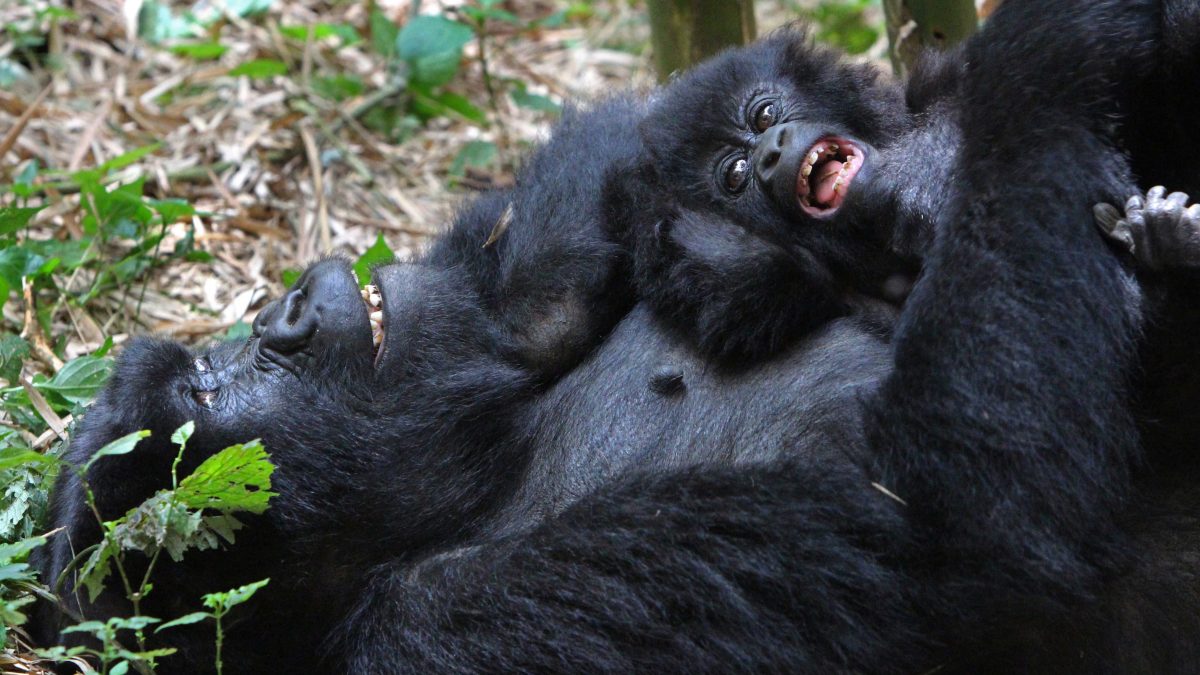
The Gorilla Habituation Experience offers a rare opportunity to spend more time with mountain gorillas in their natural habitat. Unlike standard gorilla trekking, which allows one hour with a fully habituated family, this experience gives trekkers up to four hours with a semi-habituated group. The encounter unfolds in the remote forests of southern Bwindi, where researchers, trackers, and conservation teams work daily to help gorillas grow comfortable with human presence. The extended time creates a deeper, more immersive, and more emotional understanding of gorilla behaviour.
What Gorilla Habituation Means
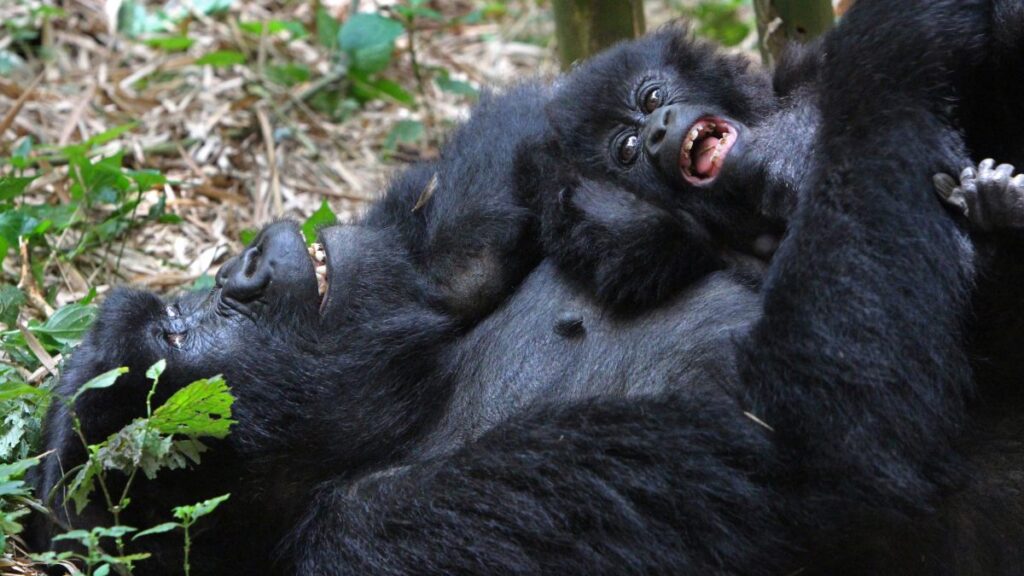
Gorilla habituation trains a wild gorilla family to accept humans gradually. This process takes years. Rangers spend long hours following the group, observing behaviour, and moving with the family until the silverback, females, and infants recognise humans as harmless. By joining this process, trekkers participate in an active conservation program.
Semi-habituated gorillas behave more naturally than fully habituated families. They move often and feed in deeper zones. They respond with curiosity and caution. This creates a raw, powerful encounter.
Where the Experience Takes Place
The Gorilla Habituation Experience happens only in Rushaga and Nkuringo sectors of Bwindi Impenetrable National Park. These southern regions hold rugged terrain, steep slopes, and thick undergrowth. The forest feels untouched, and the atmosphere holds a strong sense of wilderness. Trekkers walk through deep valleys, climb mossy ridges, and follow gorilla trails shaped by fresh feeding signs.
How the Day Unfolds
The day begins early with a briefing. Rangers explain gorilla behaviour, trekking rules, and research procedures. The group enters the forest with trackers and conservation staff. The trek starts slow, then moves deeper into the gorillas’ range. Trackers follow nests, footprints, and broken vegetation to locate the family.
Once the group reaches the gorillas, the four-hour countdown begins. The family may stay in one area or move through the forest. Trekkers follow quietly and observe all behaviour—feeding, climbing, chest-beating, grooming, and vocal communication. The experience feels intense because the gorillas still adjust to human presence.
Why This Experience Feels Different
The longer time creates a deeper connection. Trekkers witness moments that rarely appear during standard treks. Infants play more freely. Mothers feed without rushing. Silverbacks lead the group with strong presence. The semi-habituated family reveals natural rhythms of gorilla life that one-hour encounters cannot fully show.
Each movement feels meaningful because time allows calm observation rather than quick photography. Trekkers learn how gorillas respond to sound, scent, space, and forest changes.
Permit Price for Gorilla Habituation
Uganda charges USD 1,500 per person for habituation permits.
This price includes four hours with the gorillas, park entry, ranger guides, and participation in the daily habituation process.
The high cost reflects the conservation work and limited availability. Only a few permits are issued each day to protect the family.
Fitness and Trekking Difficulty
The habituation trek demands strong fitness. The gorillas move more often, and trekkers follow them across steep ridges and thick vegetation. The forest can feel slippery and unpredictable. Trekkers benefit from good boots, gloves, hydration, and steady pacing. The long duration requires endurance and mental focus.
Best Time for Gorilla Habituation
The experience works well year-round.
Dry months offer firmer trails.
Wet months bring lush scenery and dramatic mist, but the trek becomes more physically demanding.
Gorilla movements remain consistent in all seasons because trackers monitor the family daily.
Who Should Choose the Habituation Experience?
Travellers who want a deeper learning experience choose habituation.
Photographers who want more time prefer habituation.
Trekkers with strong fitness and interest in conservation benefit greatly from this encounter.
Those who want raw, natural gorilla behaviour find the experience unforgettable.
Why the Experience Supports Conservation
Gorilla habituation helps expand the number of gorilla families available for trekking. More habituated families mean fewer crowds, stronger protection, and increased tourism revenue. Each participant directly supports ranger salaries, community development, and long-term gorilla survival.
Plan Your Safari
If you want, I can prepare a standard trek vs. habituation comparison, a 2–3 day habituation itinerary, or a Rushaga vs Nkuringo sector guide.
