Gorilla Tracking Tips – How to Prepare for a Successful Gorilla Trek
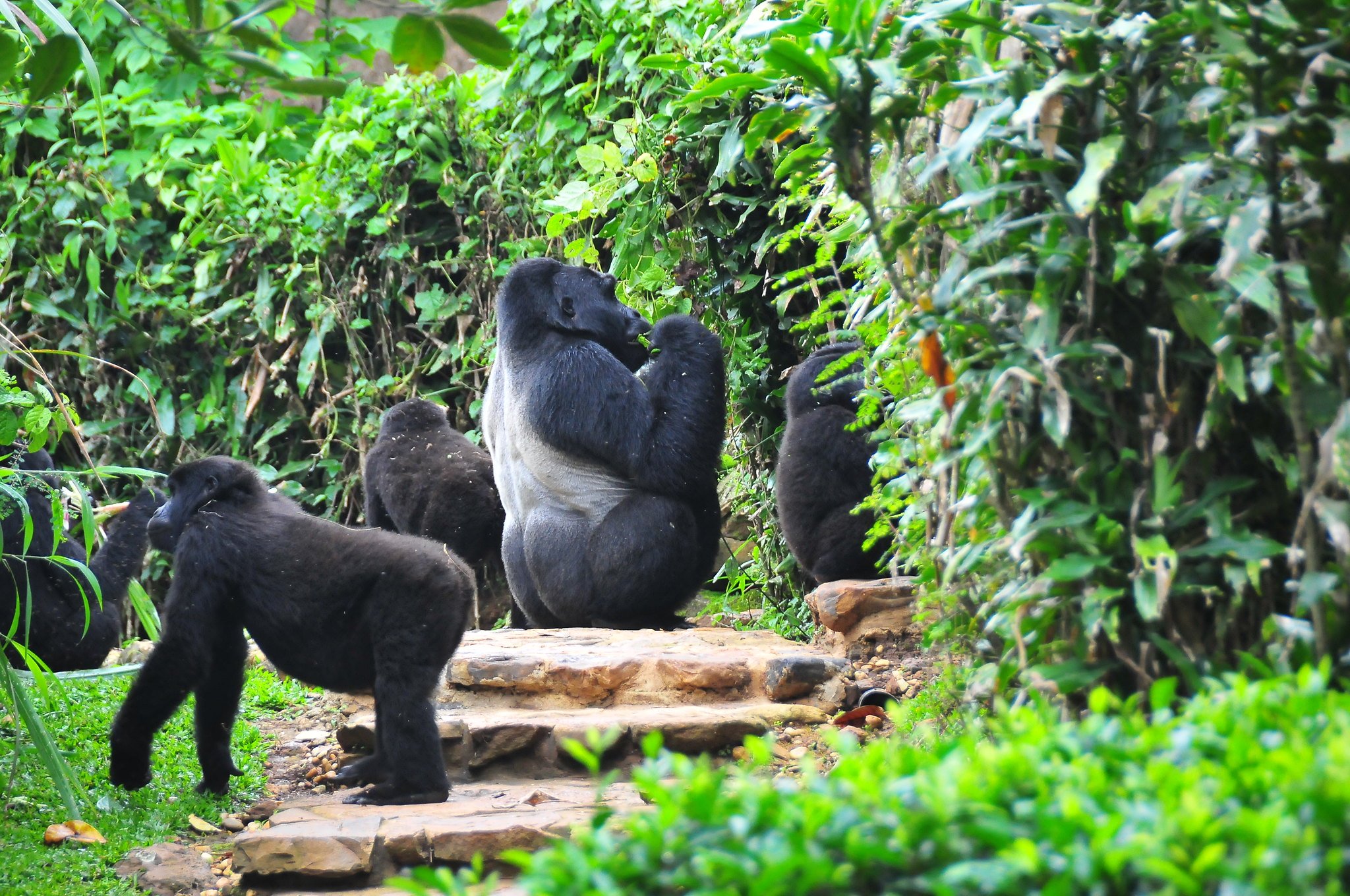
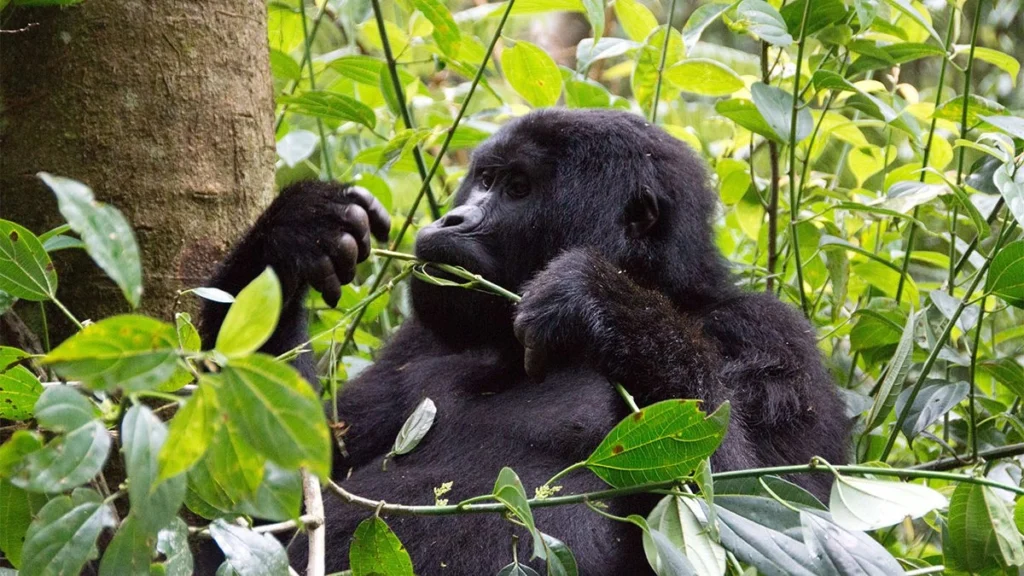
Gorilla tracking is not a walk in a park but a guided forest expedition through dense rainforest terrain. In places like Bwindi Impenetrable National Park, tracking involves navigating steep slopes, thick vegetation, muddy trails, and changing weather conditions. Treks can last anywhere from one hour to several hours, depending on where the gorilla family moved the previous night.
Understanding this reality helps set the right mindset. Gorilla tracking rewards patience, effort, and flexibility. The journey itself is part of the experience, and success is measured not by distance covered but by the quality of the encounter once the gorillas are found.
Prepare Physically Before Your Trek
Physical preparation greatly improves comfort and enjoyment during gorilla tracking. While extreme fitness is not required, basic stamina and balance are important due to steep ascents and descents. Regular walking, light hiking, or stair climbing before travel helps condition the body for the terrain.
The altitude and humidity of the forest can make even moderate effort feel demanding. Taking a steady pace, breathing rhythmically, and accepting short breaks when needed prevents exhaustion. Rangers adjust trekking speed to group ability, so honest communication about fitness levels is encouraged.
Dress Appropriately for the Forest
Proper clothing is one of the most important gorilla tracking tips. Long-sleeved shirts and long trousers protect against scratches, insects, and stinging plants. Neutral colors help avoid startling wildlife and blend naturally into the forest environment.
Waterproof layers are essential due to frequent rain and lingering moisture under the canopy. Sturdy, ankle-supporting hiking boots with good grip reduce the risk of slipping on muddy or uneven ground. Dressing in layers allows easy adjustment as temperatures change between cool mornings and warmer midday conditions.
Carry Only What You Need
Traveling light improves balance and endurance during the trek. Essential items include water, a light snack, rain protection, and any personal medication. A small daypack is sufficient, and excess weight quickly becomes uncomfortable on steep trails.
Hiring a porter is strongly recommended. Porters assist with carrying bags, provide physical support on difficult sections, and allow trekkers to focus fully on the experience. Using a porter also directly supports local livelihoods and community conservation efforts.
Listen Closely to Ranger Briefings
Ranger briefings before the trek are not formalities; they are essential for safety and conservation. Rangers explain gorilla behavior, trekking rules, and how to respond during encounters. Paying close attention ensures both personal safety and the well-being of the gorillas.
During the trek, rangers may give real-time instructions based on animal movement or forest conditions. Following these instructions calmly and immediately helps prevent stress to wildlife and avoids unnecessary risk.
Maintain Proper Behavior Around Gorillas
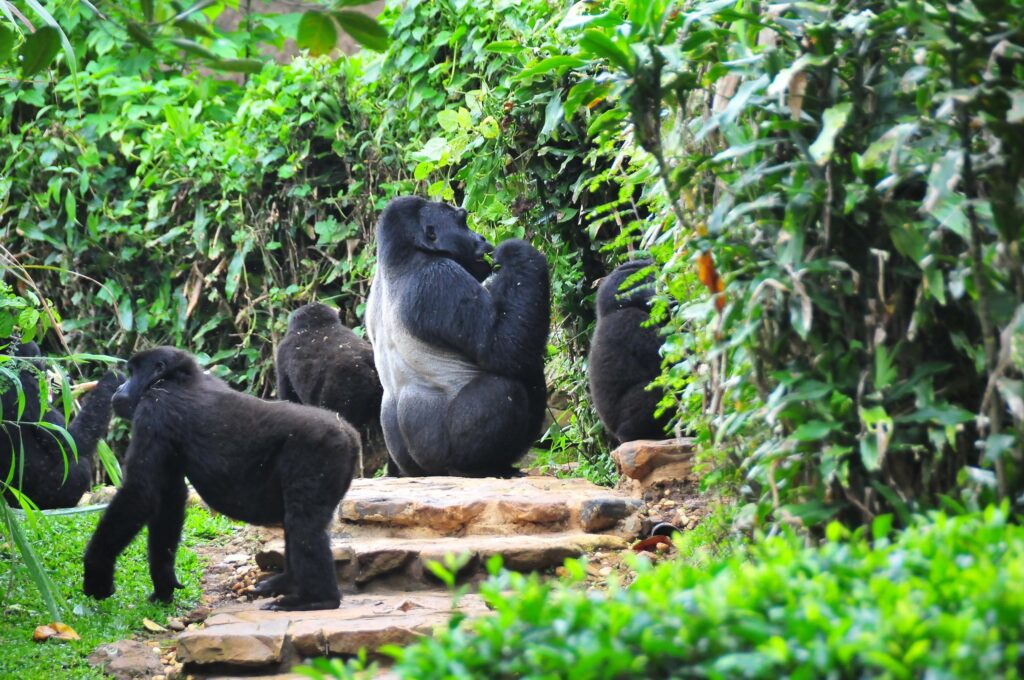
Once gorillas are found, behavior matters more than anything else. Keeping voices low, movements slow, and emotions controlled ensures a peaceful encounter. Gorillas are accustomed to humans but remain wild animals that respond to body language and tone.
Maintaining the required distance reduces the risk of disease transmission and stress. If a gorilla approaches, standing still and following ranger guidance is essential. Avoid pointing, touching, or attempting to reposition yourself for photographs.
Manage Photography Thoughtfully
Photography during gorilla tracking should never interfere with the encounter. Flash photography is strictly prohibited, as it can startle gorillas and disrupt their behavior. Cameras should be set up in advance to avoid sudden movements.
Using zoom lenses rather than stepping closer protects both gorillas and photographers. Taking fewer, deliberate photos often results in better images and allows time to observe gorilla behavior without distraction.
Respect Weather and Trail Conditions
Weather in rainforest environments can change quickly. Rain makes trails slippery and vegetation heavier, increasing physical effort. Accepting wet and muddy conditions as part of the experience helps maintain morale and focus.
Trekking poles can improve stability, especially on steep or muddy sections. Rangers often provide walking sticks, which are extremely helpful for balance and confidence in challenging terrain.
Health and Hygiene Awareness
Gorilla tracking rules emphasize health for a reason. Gorillas are highly susceptible to human illnesses. Visitors who feel unwell should inform guides before trekking, as rescheduling may be necessary to protect the animals.
Covering the mouth when coughing or sneezing, using provided sanitation facilities, and following hygiene guidelines reduces risk. These measures protect gorillas and maintain the long-term sustainability of trekking programs.
Mental Preparation and Attitude
One of the most overlooked gorilla tracking tips is mental readiness. Treks do not follow fixed routes, and sightings are not staged. Accepting uncertainty and embracing the forest’s unpredictability enhances the experience.
Staying calm, present, and observant allows deeper connection with the environment. Many travelers find that the most powerful moments come not from photographs but from quiet observation and shared silence in the forest.
Why These Tips Matter
Gorilla tracking operates within a fragile ecosystem where human presence must be carefully managed. Following best practices ensures that gorillas remain protected while visitors enjoy meaningful, safe encounters. Responsible behavior today preserves the experience for future generations.
Well-prepared trekkers move confidently, respect wildlife boundaries, and gain more from the encounter. Gorilla tracking becomes not just an activity but a profound conservation experience.
Plan Your Safari
Successful gorilla tracking begins long before entering the forest. Preparing physically, packing wisely, listening to rangers, and approaching the experience with respect ensures a rewarding journey. With the right preparation and mindset, gorilla tracking delivers one of the most unforgettable wildlife encounters on Earth.
