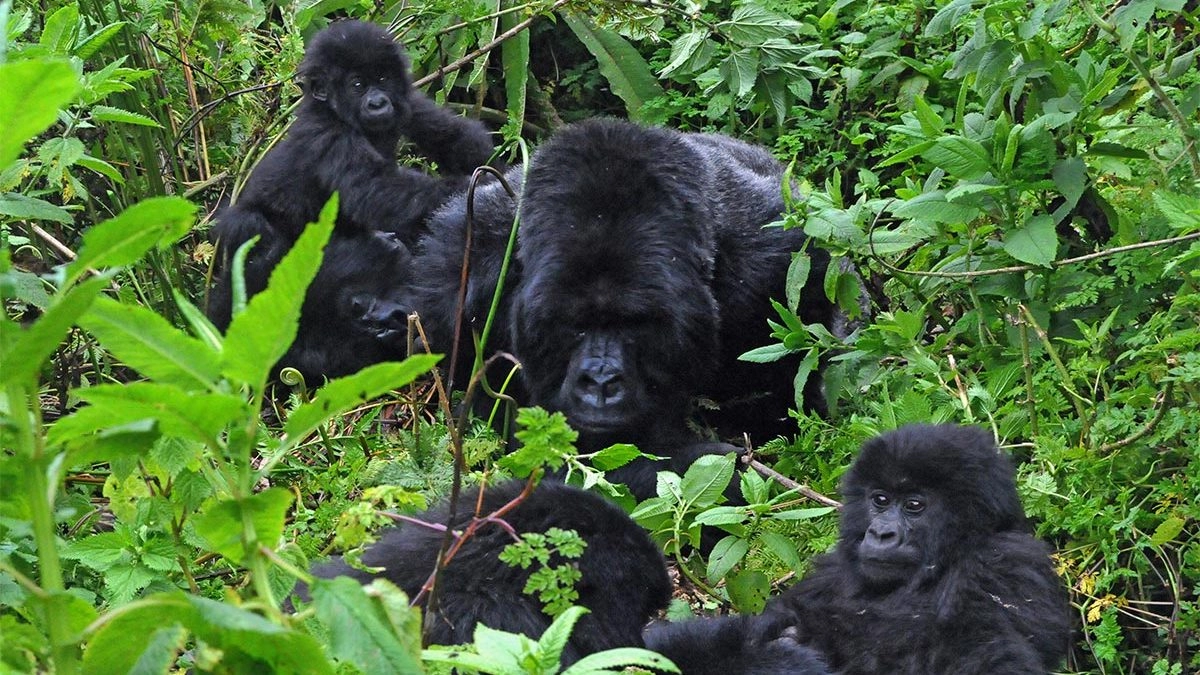
How Many Gorillas Are Left in the Wild in 2026?
The number of gorillas left in the wild in 2026 reflects decades of conservation work, regional challenges, and the ongoing pressure of habitat loss. Gorillas remain one of the world’s most endangered primates, but strong protection programs in East and Central Africa have helped stabilize some populations. Understanding the numbers in 2026 gives travelers and conservation supporters a clear picture of the species’ future and the importance of continued protection.
Mountain Gorillas in 2026
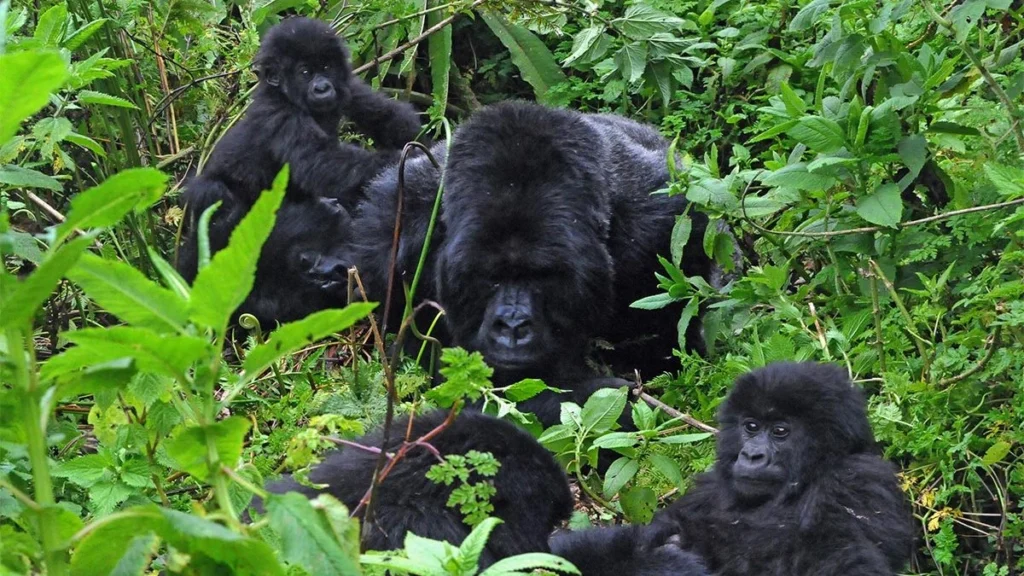
Mountain gorillas remain critically limited in range. They live only in the Virunga massif and Bwindi Impenetrable Forest. These regions lie across Rwanda, Uganda, and Congo. The most recent surveys estimate their population at about 1,063 individuals. Conservation teams continue monitoring every family daily, and this tight protection has helped mountain gorilla numbers grow slowly over the past two decades.
The Virunga massif population includes gorillas found in Volcanoes National Park in Rwanda, Mgahinga Gorilla National Park in Uganda, and Virunga National Park in Congo. The Bwindi population lives entirely within Uganda’s Bwindi Impenetrable National Park, with some groups crossing into nearby forests. Together, these two populations form the entire global population of mountain gorillas.
Eastern Lowland Gorillas in 2026
Eastern lowland gorillas, also known as Grauer’s gorillas, face far greater challenges than mountain gorillas. They live only in the eastern rainforests of the Democratic Republic of Congo, mainly in and around Kahuzi-Biega National Park. Their numbers have declined due to habitat destruction, human conflict, and illegal hunting.
Current estimates suggest fewer than 6,800 eastern lowland gorillas remain in the wild. Some surveys report even lower figures, depending on the region. Conservation work continues, but the subspecies remains under pressure because of its large range and limited protection in remote areas.
Western Lowland Gorillas in 2026
Western lowland gorillas form the largest gorilla population, spread across Congo-Brazzaville, Gabon, Cameroon, Equatorial Guinea, and the Central African Republic. They live in vast tropical forests that make accurate population counts difficult. Scientists estimate 200,000 to 300,000 western lowland gorillas remain in the wild. Despite their relatively high numbers, they face significant threats from hunting, habitat destruction, and disease outbreaks such as Ebola, which has caused major population crashes in the past.
Cross River Gorillas in 2026
The Cross River gorilla holds the smallest population. They live in remote, mountainous forest patches between Nigeria and Cameroon. The latest estimates suggest only about 300 individuals remain. Their fragmented habitat and limited range create ongoing challenges for conservation teams.
Why Gorilla Numbers Matter
Population numbers reveal more than statistics. They show the strength of conservation systems, the resilience of gorilla families, and the urgency of protecting their habitats. Mountain gorillas demonstrate how long-term protection, tourism revenue, and community support can help a species recover. Eastern lowland gorillas show how fragile populations remain without strong security and habitat protection. Western lowland and Cross River gorillas remind the world that large numbers do not guarantee long-term survival.
Understanding these numbers helps travellers appreciate the depth of every gorilla encounter. The experience becomes more emotional when trekkers realise how few individuals remain in each population.
How Tourism Supports Gorilla Numbers
Gorilla tourism funds ranger patrols, veterinary care, community projects, and habitat protection. Every permit directly supports conservation. Communities benefit from tourism through schools, clinics, and livelihood projects, which reduces pressure on forests. When local people see value in gorillas, protection strengthens naturally.
The stability of mountain gorilla numbers proves the impact of responsible tourism. Continued support remains essential for the survival of all gorilla subspecies.
The Future of Gorillas Beyond 2026
Gorilla survival depends on strong collaboration among governments, communities, researchers, and conservation organisations. Climate change, disease, and habitat loss continue to threaten populations. But long-term monitoring, active protection, and community involvement offer hope. The success seen with mountain gorillas can guide conservation strategies for other subspecies if sustained support continues.
Plan Your Safari
If you want, I can create a population comparison table, a gorilla conservation timeline, or a simple version for educational use.
