How Many Gorilla Groups Are in Bwindi? Complete Guide to Gorilla Families
Bwindi Impenetrable National Park holds one of the highest concentrations of mountain gorillas in the world. Travelers often ask how many groups exist and how this affects trekking. This guide answers the question how many gorilla groups Bwindi in a clear and practical way, while explaining how these groups shape your trekking experience.
Total Number of Gorilla Groups in Bwindi
Bwindi currently hosts over 20 habituated gorilla groups available for tourism. These groups live across different sectors of the park and receive daily visits from trekkers under strict conservation rules.
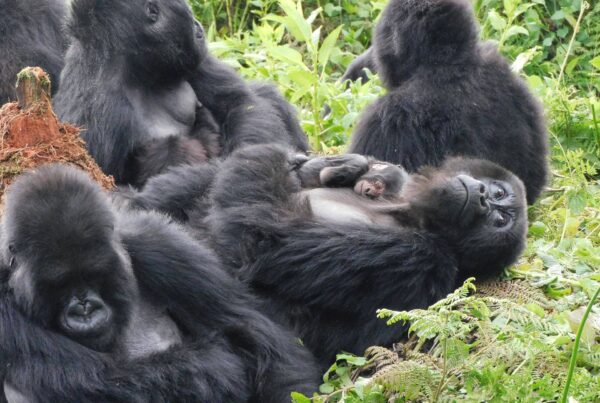
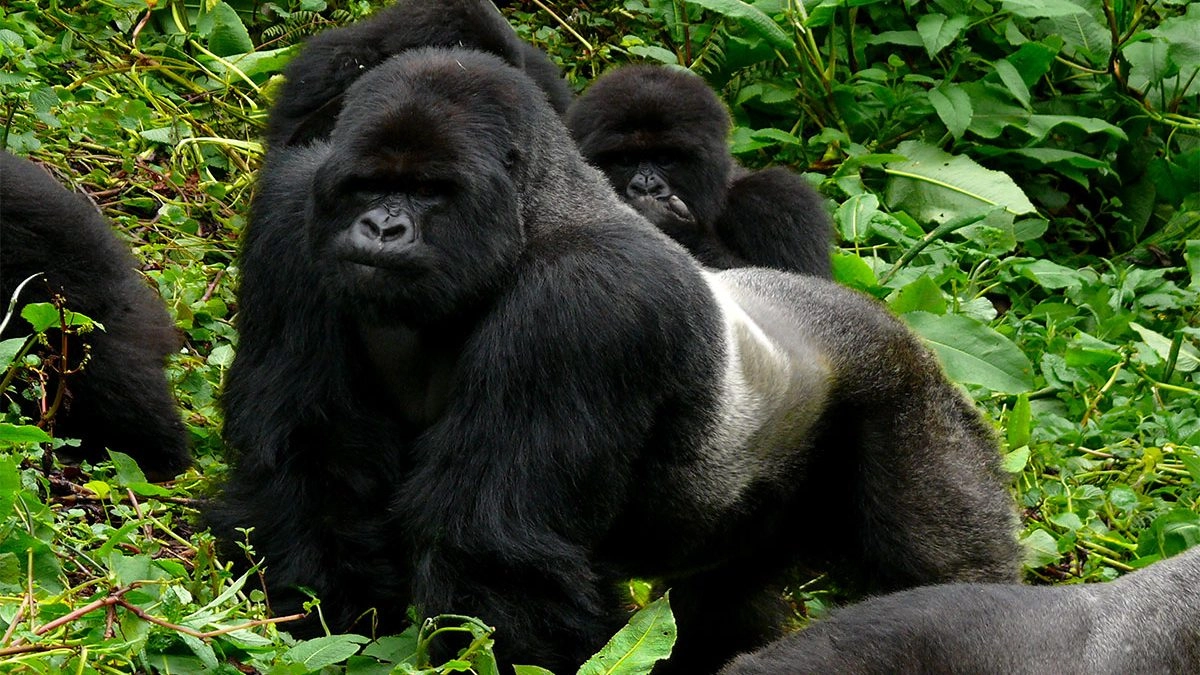
Each gorilla group consists of several individuals led by a dominant silverback. The size of each group varies, but most include between 8 and 20 members.
What “Habituated Gorilla Groups” Means
Not all gorillas in Bwindi allow human visits. Habituated groups have gone through a long process where rangers gradually introduce human presence.
This process can take several years. It ensures that gorillas feel comfortable around people without changing their natural behavior. Only these habituated groups qualify for trekking.
Distribution of Gorilla Groups by Sector
Buhoma Sector
Buhoma sits in northern Bwindi and holds some of the oldest habituated groups. It offers easier access and strong infrastructure.
Notable gorilla groups in Buhoma include Mubare, Habinyanja, Rushegura, and Katwe.
Ruhija Sector
Ruhija lies in eastern Bwindi and offers fewer crowds with cooler conditions. This sector suits travelers who prefer quiet experiences.
Key groups include Bitukura, Oruzogo, Mukiza, and Kyaguriro.
Rushaga Sector
Rushaga, located in southern Bwindi, hosts the highest number of gorilla groups. This increases permit availability and flexibility.
Groups here include Nshongi, Mishaya, Bweza, Busingye, Kahungye, Kutu, and others.
Nkuringo Sector
Nkuringo provides a more remote and scenic trekking experience. The terrain feels steeper, but views remain exceptional.
Groups in this sector include Nkuringo, Bushaho, and Christmas.
How Gorilla Group Numbers Affect Permit Availability
Limited Daily Access
Each gorilla group allows only 8 visitors per day. This rule protects the gorillas from stress and maintains a controlled experience.
With over 20 groups, Bwindi offers roughly 160 permits per day, though exact numbers can vary.
Higher Numbers, Better Chances
The more gorilla groups available, the higher your chances of securing a permit. Sectors like Rushaga provide more flexibility because they host more families.
Differences Between Gorilla Groups
Group Size and Composition
Some groups remain large and stable, while others split over time. You may encounter families with many juveniles or smaller groups led by a strong silverback.
Behavior and Movement
Each group behaves differently. Some stay closer to trekking starting points, while others move deeper into the forest.
Trekking Difficulty
The assigned group often determines how challenging your trek will be. Groups located closer to park boundaries may require shorter hikes, while others demand longer and more physical effort.
Can You Choose a Specific Gorilla Group?
You cannot choose a specific gorilla group directly. Park authorities assign groups on the trekking day based on your fitness level, age, and preferences.
However, you can increase your chances by choosing a specific sector and communicating your fitness level clearly during the briefing.
Gorilla Habituation Experience vs Standard Trekking
Standard Gorilla Trekking
You spend one hour with a fully habituated group. This remains the most common experience for visitors.
Gorilla Habituation Experience
In Rushaga, you can join a habituation experience where you spend up to four hours with a semi-habituated group. This option costs more but offers deeper interaction.
Conservation Impact of Gorilla Groups in Bwindi
Each gorilla group plays a role in conservation. Permit fees support park management, anti-poaching efforts, and community projects.
As more groups become habituated, Uganda increases tourism capacity while maintaining strict protection of the gorillas.
What This Means for Your Gorilla Trekking Experience
A higher number of gorilla groups gives you flexibility in planning. You can choose different sectors, find permits more easily, and tailor your experience based on comfort and accessibility.
At the same time, strict limits ensure that every encounter remains intimate and respectful.
Plan Your Gorilla Trekking Safari
Understanding how many gorilla groups exist in Bwindi helps you plan smarter. It allows you to choose the right sector, secure permits more easily, and prepare for the type of trek you want.
Let us help you plan a seamless and rewarding gorilla trekking experience in Uganda, or book with us.