How to Get to Bwindi Forest – Complete Travel Guide
Getting to Bwindi Impenetrable National Park requires planning, but the journey is part of the adventure. Bwindi is located in a remote, mountainous region of southwestern Uganda, far from major urban centers. Its isolation has helped preserve its ancient rainforest ecosystem, but it also means travelers must choose their route carefully based on time, budget, and preferred trekking sector.
Bwindi can be reached by road or by domestic flight, with access points spread across different sectors of the park. The best route depends on whether you are traveling from Kampala, Entebbe, or Kigali, and which Bwindi sector you plan to trek in.
Getting to Bwindi by Road from Kampala or Entebbe
Traveling by road from Kampala or Entebbe is the most common and flexible way to reach Bwindi. The journey typically takes between 8 and 10 hours, depending on road conditions, weather, and the chosen sector. The drive passes through central and southwestern Uganda, offering scenic views of rolling hills, rural villages, and cultivated landscapes.
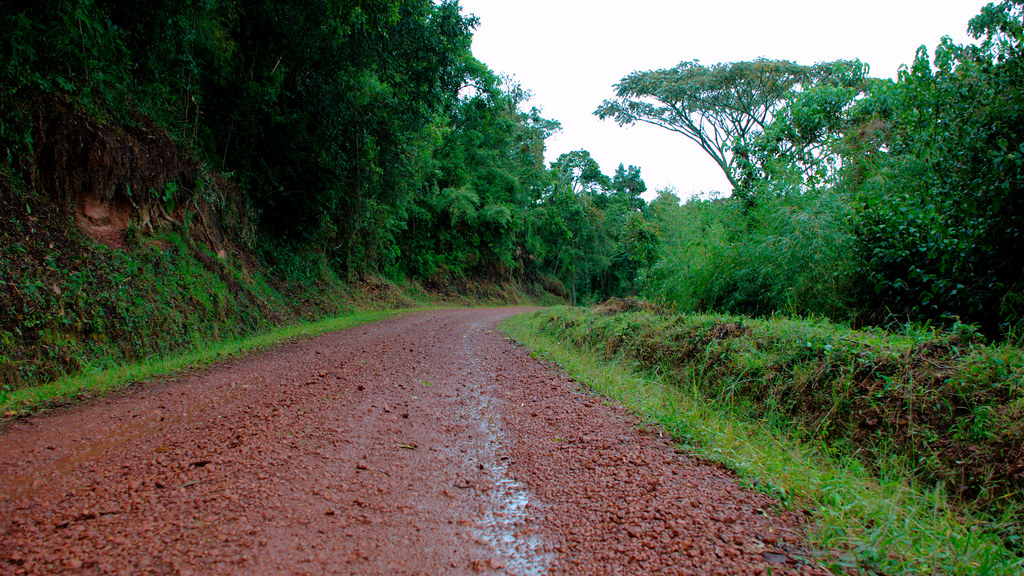
Most routes pass through towns such as Mbarara and Kabale before continuing toward Bwindi’s park boundaries. While major highways are generally paved, the final stretches leading to the forest are often rough, steep, and sometimes muddy, especially during rainy seasons. A four-wheel-drive vehicle is strongly recommended to ensure comfort and safety.
Road Access to Different Bwindi Sectors
Bwindi’s size and irregular shape mean that access routes vary by sector. Buhoma, located in the northern part of the park, is usually accessed via Kabale and Kanungu. Ruhija, on the eastern side, is reached through Kabale or Rubanda, with winding highland roads offering dramatic scenery.
Rushaga and Nkuringo, in southern Bwindi, are commonly accessed via Kisoro town. These routes involve mountainous terrain and steep gradients but are among the most scenic in Uganda. Choosing accommodation close to your trekking sector reduces early-morning travel and improves overall comfort.
Getting to Bwindi by Air
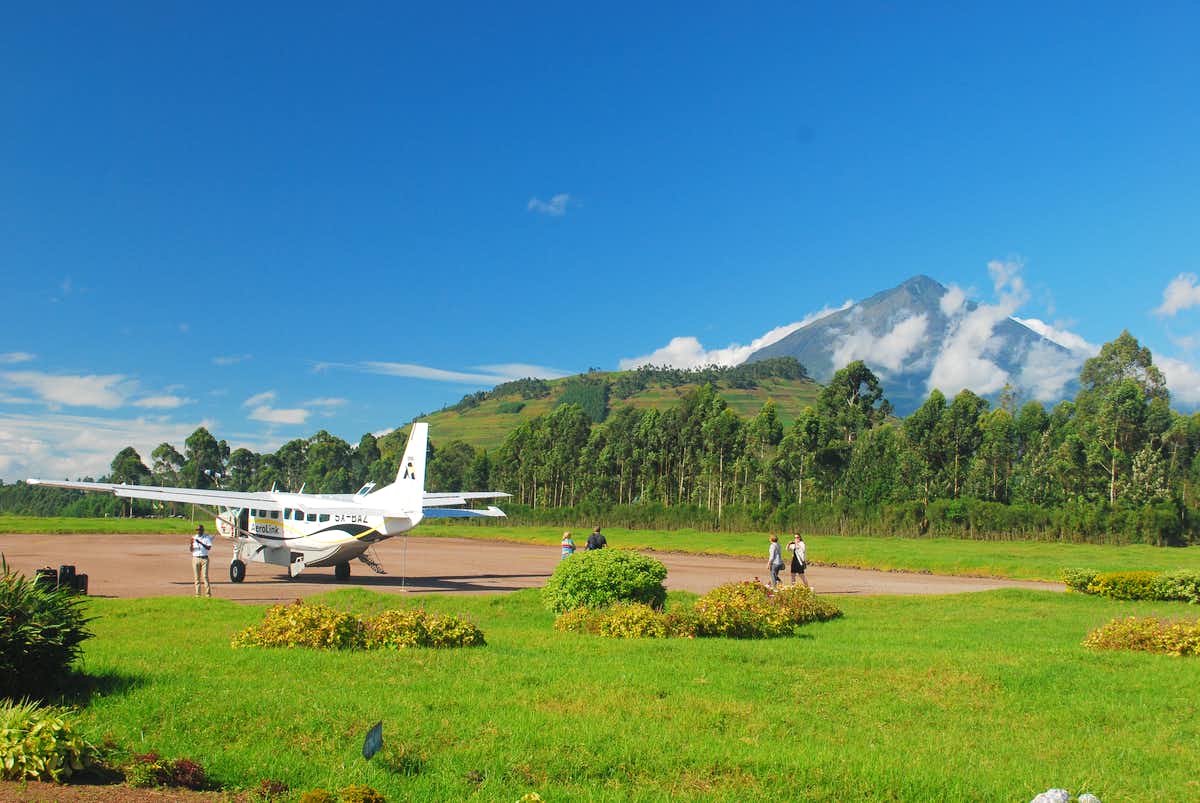
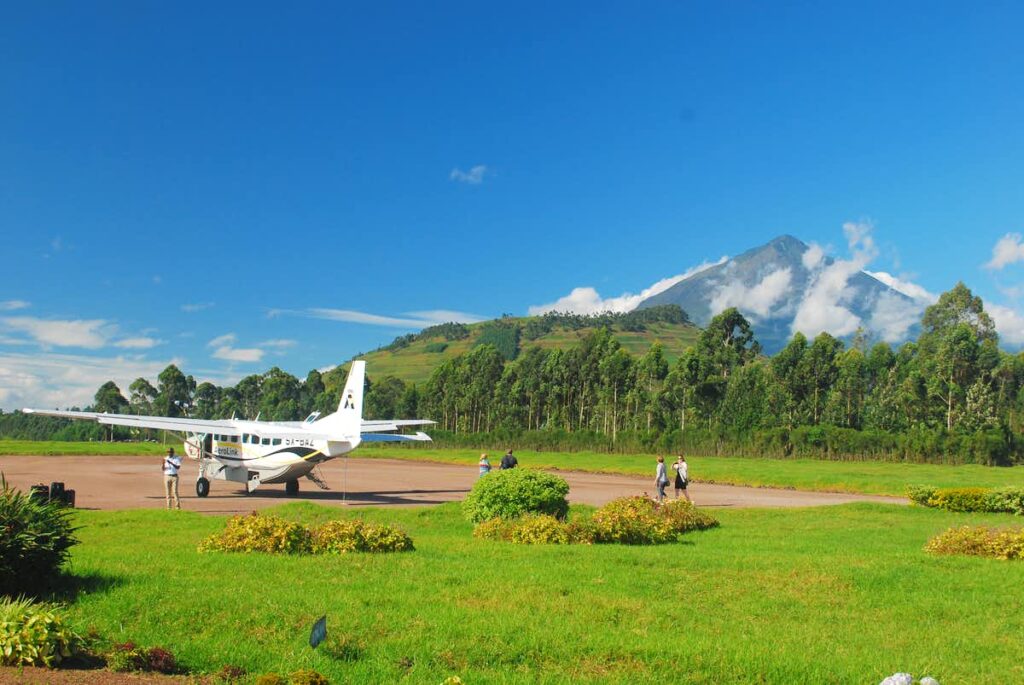
Flying is the fastest way to reach Bwindi and is ideal for travelers with limited time. Domestic flights operate from Entebbe International Airport to airstrips near the park, primarily Kihihi and Kisoro. Flight times are approximately 1 to 1.5 hours, offering aerial views of Uganda’s countryside and highlands.
Kihihi Airstrip is most convenient for travelers trekking in Buhoma or Ruhija, while Kisoro Airstrip serves Rushaga and Nkuringo sectors. From the airstrip, a road transfer of one to two hours is required to reach lodges near the park. Flying significantly reduces travel fatigue and allows more time for activities.
Getting to Bwindi from Kigali, Rwanda
Many travelers choose to access Bwindi via Kigali, Rwanda, especially when trekking in southern sectors. From Kigali, the drive to Rushaga or Nkuringo typically takes 4 to 5 hours, including a border crossing at Chanika or Katuna. This route is often faster and smoother than traveling by road from Kampala.
Cross-border travel requires valid travel documents and adherence to immigration procedures. Once across the border, the journey continues through southwestern Uganda’s highlands to Bwindi. This option is popular for travelers combining Rwanda and Uganda experiences or seeking shorter overall travel time.
Choosing the Best Route for Your Safari
The best way to get to Bwindi depends on your itinerary priorities. Road travel allows flexibility and opportunities for en-route stops but requires long driving hours. Flying offers speed and comfort but comes at a higher cost. Entering via Kigali reduces travel time for southern Bwindi sectors but involves international border formalities.
Your chosen Bwindi sector, accommodation location, and available time should guide this decision. Careful route planning ensures you arrive rested and ready for gorilla trekking.
Travel Conditions and Practical Considerations
Weather plays a significant role in travel to Bwindi. Rain can make roads slippery and slow, particularly on final approaches to the park. Allowing buffer time before trekking day reduces stress and ensures timely arrival for briefings.
Altitude changes may also affect travelers. Spending a night near the park before trekking helps with acclimatization. Early arrival allows time to rest, enjoy the surroundings, and prepare physically and mentally for the trek.
Why Planning Your Route Matters
Bwindi’s remoteness is part of its magic, but it demands realistic planning. Choosing the right transport option enhances comfort, safety, and enjoyment. A well-planned journey ensures the focus remains on the experience of exploring one of Africa’s most remarkable rainforests rather than the challenges of getting there.
Plan Your Safari
Getting to Bwindi Forest is a journey into Uganda’s wild heart. Whether by road through scenic highlands or by air over rolling landscapes, thoughtful planning transforms travel time into part of the adventure. With the right route and preparation, arriving in Bwindi feels like stepping into a timeless rainforest where unforgettable experiences await.
