How to Protect Your Skin from Sunburn on Kilimanjaro
Sunburn is one of the most underestimated challenges when climbing Mount Kilimanjaro. Many climbers focus on cold temperatures and altitude sickness, forgetting that Kilimanjaro’s equatorial location, high elevation, and reflective terrain expose your skin to intense ultraviolet radiation. Even on cool or cloudy days, the sun can cause serious burns if you are not properly protected.
Understanding how and why sunburn happens on Kilimanjaro—and how to prevent it—can make the difference between a comfortable climb and a painful, dangerous experience.
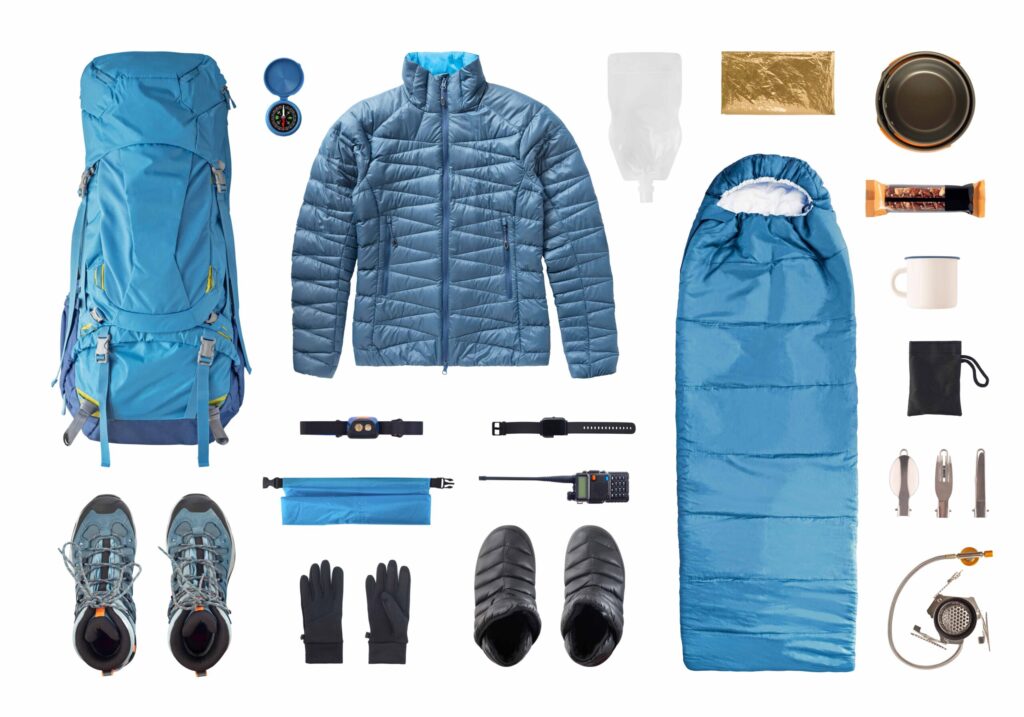
Why Sun Exposure Is So Intense on Kilimanjaro
Kilimanjaro sits just a few degrees south of the equator, where the sun is strong year-round. As you climb higher, the atmosphere becomes thinner, filtering less UV radiation. At elevations above 4,000 meters, UV intensity increases dramatically, making your skin far more vulnerable than at sea level.
The alpine desert zone reflects sunlight off pale volcanic rock and dust, increasing exposure from below as well as above. Cold air masks the sensation of heat, so many climbers do not realize they are burning until the damage is already done.
The Most Vulnerable Areas of Your Body
Certain areas of the body are especially prone to sunburn on Kilimanjaro. The face, nose, lips, ears, and neck are constantly exposed, particularly during long trekking days. Hands are also at risk, especially when gloves are removed in warmer sections of the climb.
Lips often suffer the worst damage due to dryness, wind, and sun exposure combined. Without protection, cracked and blistered lips can become painful enough to affect eating, hydration, and morale.
Use High-Altitude Sunscreen Correctly
Choosing the right sunscreen is essential. A broad-spectrum sunscreen with SPF 30 to 50 is recommended, as it protects against both UVA and UVB rays. High-altitude conditions require frequent reapplication, even if the product claims long-lasting protection.
Apply sunscreen early in the morning before leaving camp and reapply every two to three hours, especially on the face, neck, ears, and hands. Sweat, wind, and dust reduce effectiveness, so consistent use is key throughout the day.
Protect Your Lips with SPF Lip Balm
Lips are often overlooked but are extremely vulnerable on Kilimanjaro. Use a lip balm with SPF 30 or higher and apply it frequently. Wind and cold dry out lips quickly, and sun exposure worsens cracking and blistering.
Carry your lip balm in an easily accessible pocket so you can reapply without stopping. This small habit prevents one of the most uncomfortable injuries climbers experience.
Wear the Right Clothing for Sun Protection
Clothing is one of the most effective defenses against sunburn. Long-sleeved shirts with UV protection help shield your arms and shoulders without causing overheating. Lightweight trekking shirts designed for sun exposure work best in lower and mid-altitude zones.
A wide-brimmed hat or a cap with a neck flap protects your face, ears, and neck during long trekking hours. Sunglasses with UV protection are also essential, reducing glare and protecting your eyes from snow blindness near the summit.
Cover Up Even When It’s Cold or Cloudy
Many climbers make the mistake of skipping sun protection when temperatures drop or clouds roll in. UV rays penetrate clouds and reflect strongly at high altitude. Cold conditions reduce awareness of sun damage, but the risk remains high.
On summit day, climbers often remove sunscreen gloves or adjust face coverings, exposing skin during the most UV-intense part of the climb. Staying disciplined with protection, even when uncomfortable, is critical.
Stay Hydrated to Support Skin Health
Dehydration increases your risk of sunburn and slows skin recovery. High altitude causes rapid fluid loss through breathing and sweating, even in cold weather. Drinking enough water helps maintain skin elasticity and resilience.
Proper hydration also supports overall health, reducing fatigue and helping your body cope with both altitude and sun exposure.
Avoid Sun Damage During Rest Breaks
Sunburn does not only happen while walking. Rest breaks, lunch stops, and time spent at camp often involve sitting in direct sunlight. Keep your hat on, apply sunscreen before stopping, and seek shade whenever possible.
Many climbers relax at camp with sleeves rolled up, forgetting that exposure continues even when inactive. Maintaining protection during downtime is just as important as during the trek.
Why Sun Protection Matters for Your Safety
Severe sunburn is not just uncomfortable—it can become a serious medical issue on the mountain. Blistered skin increases the risk of infection, dehydration, and fatigue. Combined with altitude stress, sunburn can weaken your body and reduce your chances of reaching the summit safely.
Protecting your skin helps preserve energy, comfort, and morale, allowing you to focus on acclimatization and the climb itself.
Final Thoughts
Sunburn on Kilimanjaro is preventable with awareness, discipline, and proper gear. Respecting the mountain means respecting its sun as much as its altitude. By protecting your skin consistently from the first day to summit night, you increase comfort, safety, and your overall chance of success.
A successful Kilimanjaro climb is not only about reaching the top—it is about arriving there healthy, strong, and able to enjoy the moment.
