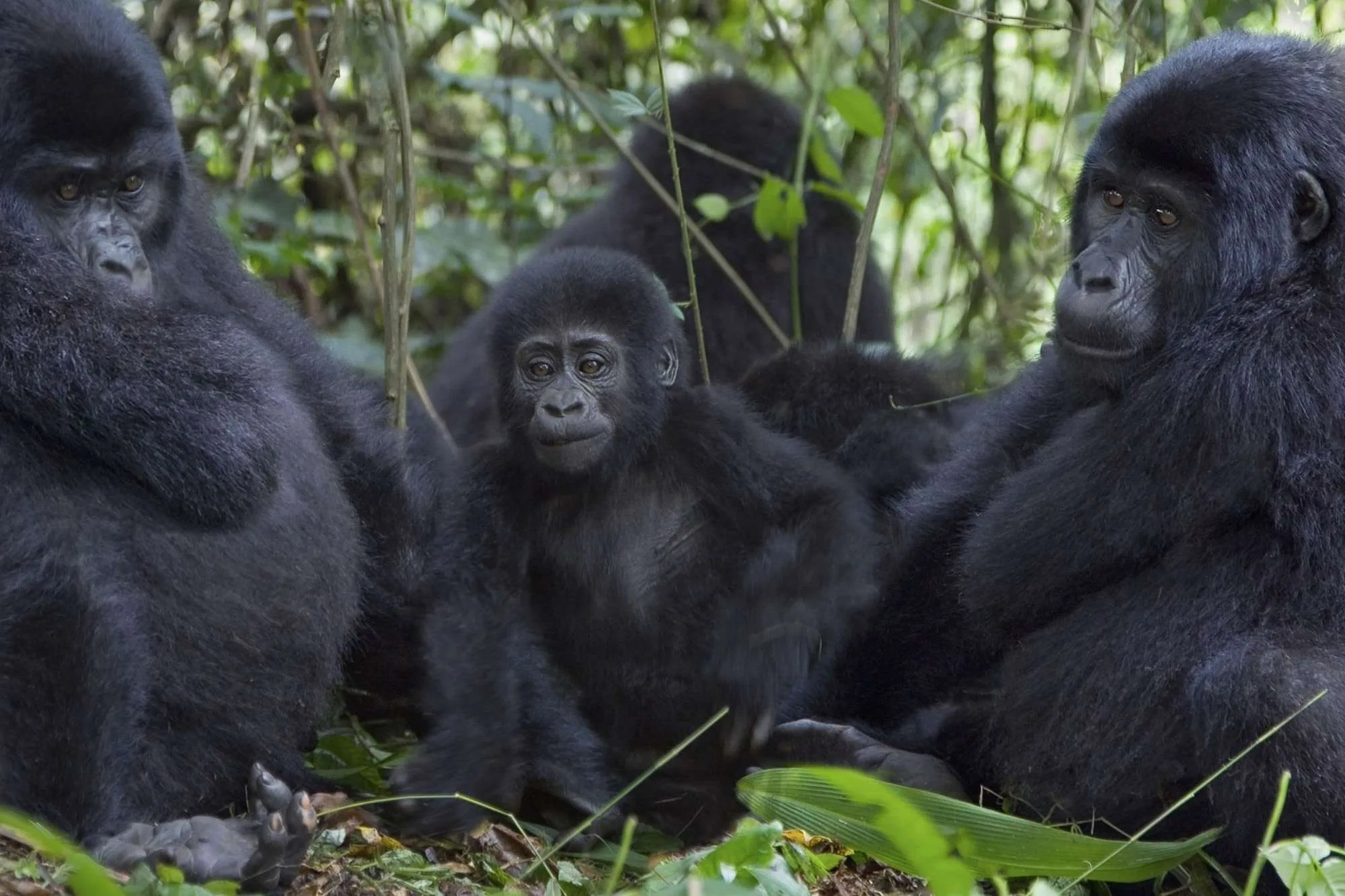
Is Gorilla Trekking Ethical? Conservation Debate Explained
The question is gorilla trekking ethical continues to shape how modern travelers approach wildlife experiences in Africa. Gorilla trekking places humans within meters of one of the world’s most endangered primates in the forests of Uganda, Rwanda, and the wider Virunga ecosystem. It is an encounter that feels intimate, powerful, and transformative. Yet it also raises valid concerns about wildlife disturbance, disease transmission, and the long-term effects of tourism on natural behavior.
Understanding whether gorilla trekking is ethical requires looking beyond emotion and examining conservation science, economic realities, strict regulations, and the evolving relationship between people and wildlife.
The Conservation Foundation of Gorilla Trekking
Tourism as a Primary Funding Mechanism
Gorilla conservation is expensive, continuous, and highly specialized. Protected areas like Bwindi Impenetrable National Park and Volcanoes National Park require daily patrols, veterinary monitoring, and intelligence systems to prevent poaching and illegal encroachment.
Revenue from gorilla permits is the backbone of this system. In Uganda, permits cost around USD 800, while Rwanda charges USD 1,500. These funds are not abstract—they directly support ranger salaries, fuel for patrol vehicles, surveillance operations, and emergency veterinary interventions led by organizations such as Gorilla Doctors.
Without this structured tourism model, conservation agencies would struggle to maintain the same level of protection across remote and challenging terrain.
A Rare Conservation Success Story
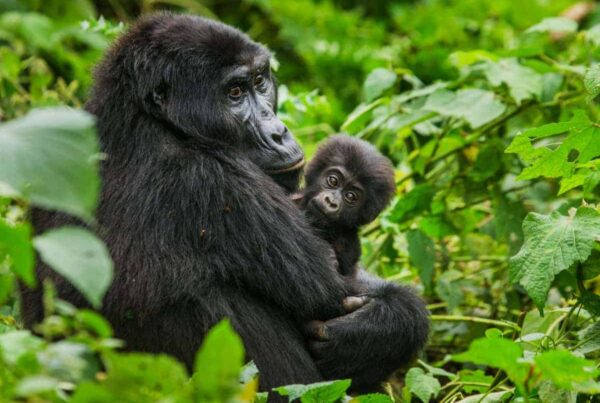
When evaluating is gorilla trekking ethical, population trends provide one of the strongest arguments. Mountain gorillas were once on the brink of extinction, with numbers dropping to critically low levels in the late 20th century.
Today, their population has surpassed 1,000 individuals. This growth is not accidental. It reflects decades of coordinated conservation funded largely through tourism. Gorilla trekking has transformed these animals from vulnerable targets into globally protected icons with economic value tied to their survival.
Community Integration and Economic Incentives
Revenue Sharing and Local Development
Gorilla habitats are surrounded by densely populated rural communities. Historically, these communities depended on forests for firewood, hunting, and agriculture. This created direct conflict with conservation goals.
Modern gorilla tourism addresses this by sharing revenue. In Uganda, a percentage of permit fees is allocated to community projects such as schools, health clinics, water systems, and road improvements.
This approach reframes conservation as a shared benefit rather than a restriction.
Employment and Livelihood Creation
The gorilla trekking ecosystem supports thousands of jobs. Rangers, guides, trackers, porters, lodge staff, drivers, and craft vendors all depend on tourism income.
For many families, gorilla tourism is the primary source of livelihood. This creates a powerful incentive to protect wildlife and maintain stable ecosystems.
When asking is gorilla trekking ethical, this economic dimension is critical. Conservation becomes sustainable only when local people see direct value in preserving wildlife.
The Core Ethical Concerns
Disease Transmission Risks
The most serious concern in the is gorilla trekking ethical debate is the risk of disease transmission. Gorillas share over 98% of human DNA, making them highly vulnerable to human illnesses, particularly respiratory infections.
Even a common cold can pose a significant threat. Past incidents have shown that disease outbreaks can spread quickly within gorilla families.
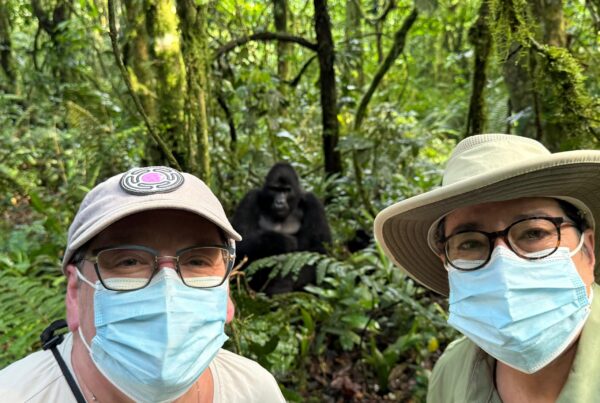
To address this, strict measures are enforced. Visitors must maintain a minimum distance of 7 meters, avoid trekking when sick, and in some cases wear face masks. Despite these precautions, the risk cannot be entirely eliminated, which remains a valid ethical concern.
Habituation and Its Implications
Gorilla families visited by tourists undergo a process called habituation, which can take several years. During this process, gorillas gradually become accustomed to human presence.
Critics argue that habituation may alter natural behaviors, reduce fear responses, or increase vulnerability to external threats.
However, habituation is carefully controlled. Only a limited number of families are habituated, and the process is led by experienced researchers and conservationists. The goal is to balance access with minimal disruption.
Environmental and Behavioral Impact
Daily trekking introduces human activity into fragile ecosystems. Trails are used repeatedly, vegetation may be disturbed, and noise can affect wildlife behavior.
While these impacts are real, they are localized and managed. Strict visitor limits, designated routes, and ranger oversight help minimize long-term damage.
Regulatory Framework That Supports Ethical Practice
Strict Visitor Limits
Each habituated gorilla family is visited by a maximum of eight people per day. This limit reduces stress on the animals and prevents overcrowding.
Unlike mass tourism destinations, gorilla trekking operates on exclusivity and control.
Time-Controlled Encounters
Visitors are allowed only one hour with the gorillas. This rule ensures minimal disruption to feeding, resting, and social behavior.
Rangers actively manage time and positioning during the visit.
Health and Safety Protocols
Visitors showing signs of illness are not permitted to trek. Guidelines also include avoiding direct eye contact in certain situations, maintaining calm behavior, and never attempting to touch the gorillas.
These protocols are central to answering is gorilla trekking ethical, as they demonstrate a system designed to prioritize animal welfare.
Comparing Ethical Outcomes: Tourism vs. No Tourism
The Risk of Removing Tourism
Without tourism, conservation funding would decline sharply. Protected areas would face increased pressure from illegal activities such as poaching, logging, and agricultural expansion.
Communities would lose income, reducing their incentive to support conservation efforts.
Tourism as a Protective Mechanism
Gorilla trekking transforms wildlife into a valuable resource that must be preserved. It creates a direct link between conservation success and economic benefit.
In regions where tourism thrives, wildlife protection tends to be stronger, better funded, and more consistent.
Scientific and Conservation Perspectives
Long-Term Monitoring and Research
Gorilla tourism supports ongoing research. Scientists track gorilla health, behavior, and population trends over time. This data informs conservation strategies and improves management practices.
Regular monitoring would be difficult without the infrastructure funded by tourism.
Veterinary Intervention and Welfare
When gorillas fall ill or are injured, veterinary teams intervene when necessary. These interventions are funded through conservation programs supported by tourism revenue.
This level of care would not exist without sustained financial input.
Responsible Traveler Role in Ethical Trekking
Following Guidelines Strictly
Ethical gorilla trekking depends heavily on visitor behavior. Maintaining distance, avoiding flash photography, and following ranger instructions are essential.
Choosing Conservation-Focused Operators
Working with licensed and experienced operators ensures that your visit aligns with conservation goals and supports regulated systems.
Understanding the Purpose of the Experience
Gorilla trekking is not just a wildlife encounter. It is participation in a conservation model. Viewing it this way changes how travelers behave and engage with the experience.
Final Evaluation: Is Gorilla Trekking Ethical?
A Measured Conclusion
So, is gorilla trekking ethical? The answer lies in balance. Gorilla trekking is not without impact, but it is one of the most carefully managed wildlife tourism models in the world.
The evidence shows that it has contributed significantly to the recovery and protection of mountain gorillas, supported local communities, and funded critical conservation work.
When conducted under strict regulations and with responsible traveler behavior, gorilla trekking stands as a model of how tourism can actively support, rather than harm, wildlife.
Plan Your Safari
Approach gorilla trekking with awareness and responsibility. Choose operators who prioritize conservation, respect all guidelines, and understand the significance of your visit. This ensures that your experience contributes positively to the future of mountain gorillas and their habitat.