Maasai Mara Big Five Safari Photography Tips
The Maasai Mara is one of the world’s finest destinations for photographing the Big Five. Open plains, dramatic skies, seasonal rivers, and dense predator populations create ideal conditions for powerful wildlife images. Success here does not depend on expensive gear alone. It depends on understanding light, animal behavior, positioning, and patience. These tips will help you capture authentic, story-driven images of lions, elephants, leopards, buffalo, and rhinos while respecting the wildlife and the landscape.
Think Like a Naturalist Before You Think Like a Photographer
Strong wildlife photographs begin with observation. In the Maasai Mara, animals follow patterns shaped by temperature, light, prey movement, and water. Lions move most actively in the cool hours. Elephants travel between feeding grounds and rivers. Leopards prefer riverine forests and shaded edges. Buffalo respond as a unit, often shifting direction together. Rhinos stay within protected zones and move deliberately.
When you anticipate behavior instead of reacting to it, you position yourself earlier, wait longer, and capture moments that feel natural rather than accidental.
Use Light to Tell the Story
Light defines mood in the Mara. Early morning and late afternoon provide soft tones that reveal texture in fur and skin. This is when dust glows, eyes catch highlights, and landscapes gain depth. Morning light works beautifully for lions returning from night hunts and elephants crossing open plains. Evening light creates silhouettes, rim-lighting, and dramatic skies.
Midday light is harsher, but it can still work when you focus on behavior, shade patterns, or high-contrast black-and-white compositions, especially with buffalo and elephants.
Positioning Matters More Than Zoom
In the Maasai Mara, guides can often reposition vehicles to improve angle rather than distance. Side-lighting adds texture. Eye-level perspectives create intimacy. Leaving space in front of a moving animal gives your image direction and narrative flow.
Avoid centering subjects unless symmetry adds meaning. Use grass, trees, riverbanks, and sky as framing elements to show environment and scale. A leopard partially hidden in branches often tells a stronger story than a fully exposed subject.
Species-Specific Photography Insights
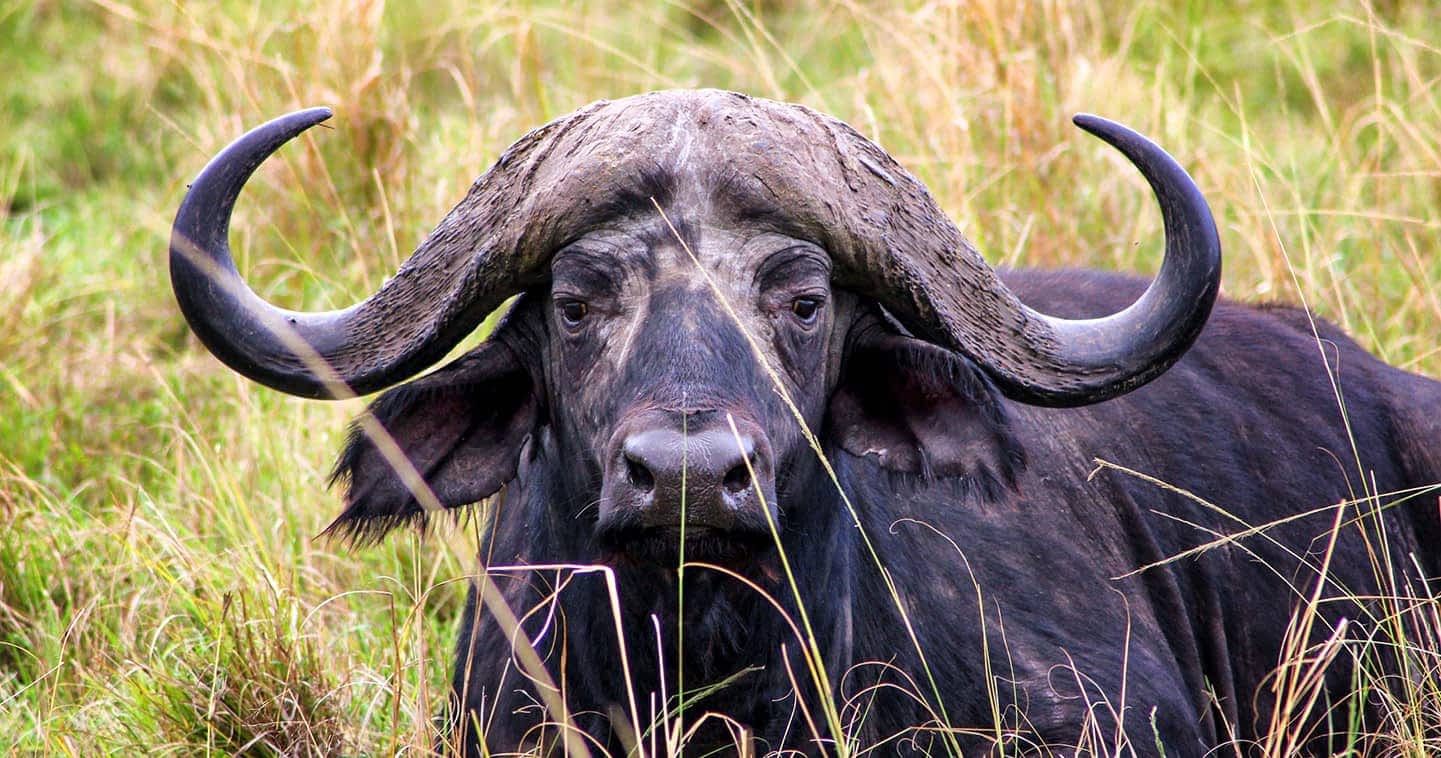
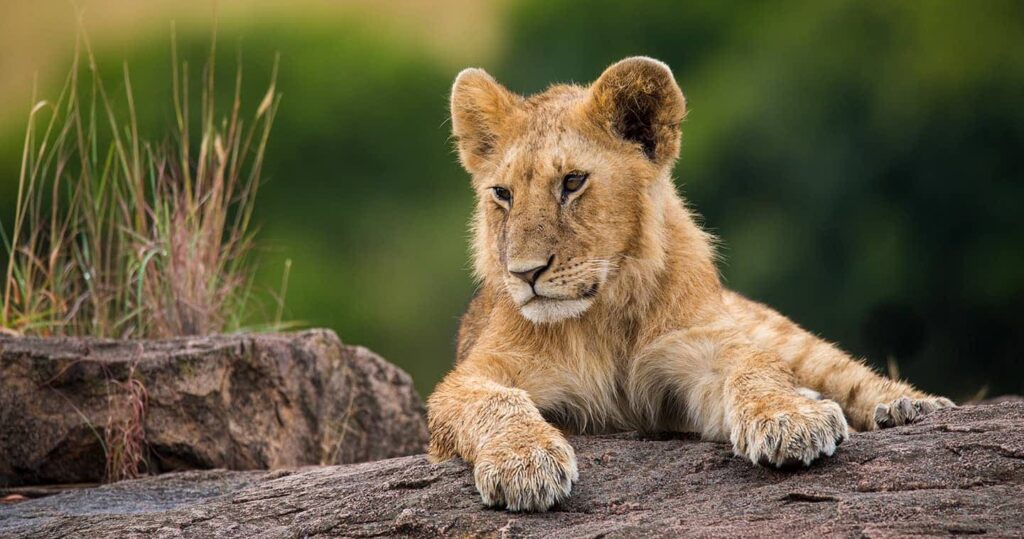
Lions photograph best when you wait. Pride interaction, yawns, grooming, and cub play emerge after long stillness. Elephants shine when you include context. Dust clouds, reflections at water, and family movement add emotion and scale. Leopards require patience and silence. Watch riverbanks and shaded trees, and be ready when they shift position briefly. Buffalo offer power through numbers. Capture the density of the herd, the tension in their eyes, and the interaction between individuals. Rhinos reward calm framing. Their presence feels strongest when you show them within protected landscapes rather than tight portraits alone.
Camera Settings That Work in the Mara
Fast shutter speeds help freeze action during hunts or movement through dust. Wider apertures isolate subjects against grassy backgrounds, especially for predators. Flexible ISO settings allow you to shoot confidently in low dawn light without missing moments. Continuous autofocus helps track movement, but slowing down and choosing single points improves accuracy when animals pause.
Remember that sharpness matters, but emotion matters more. A slightly imperfect frame that captures behavior often outperforms a technically perfect but empty image.
Patience Is Your Greatest Tool
The Mara rewards photographers who wait. Animals settle when vehicles remain quiet. Behavior unfolds when pressure disappears. Staying longer at one sighting often produces better images than chasing multiple locations. Many iconic photographs happen after most vehicles leave.
Trust your guide, observe wind and light, and let moments develop. The bush does not rush, and neither should you.
Respect Wildlife and Ethical Photography
Never pressure animals for a shot. Avoid blocking movement or requesting unsafe positioning. Ethical distance leads to calmer subjects and more natural behavior. Silence improves results. Respectful photography protects wildlife and preserves the quality of the experience for everyone.
Editing With Authenticity in Mind
Post-processing should enhance reality, not distort it. Preserve natural colors, skin texture, and light. Adjust contrast and exposure subtly. Let dust, scars, and imperfections remain. These details tell the real story of the Mara.
When selecting images, think in sequences. A series showing approach, tension, and outcome communicates more powerfully than a single dramatic frame.
Planning a Photography-Focused Mara Safari
Photography success improves when itineraries allow longer stays in fewer areas. Early starts, flexible schedules, and experienced guides who understand positioning make a major difference. Staying near rivers or conservancy borders increases leopard and predator opportunities while reducing driving time.
For travellers planning a photography-focused Maasai Mara safari, African Wild Trekkers designs itineraries that prioritize light, patience, positioning, and expert guiding, ensuring photographers return with images that reflect the true spirit of the Mara.
