Mountain Gorilla Behavior: What to Expect During a Trek
Understanding mountain gorilla behavior during trek is essential for anyone preparing for this once-in-a-lifetime experience in Uganda or Rwanda. A gorilla encounter is not just about seeing wildlife—it is about observing a complex social structure, subtle communication, and calm yet powerful presence within dense rainforest environments like Bwindi Impenetrable National Park and the Virunga Mountains.
Gorillas are generally peaceful, intelligent, and highly social animals. Knowing how they behave helps you stay safe, interpret their actions correctly, and fully appreciate the experience.
First Encounter: Calm but Powerful Presence
Initial Contact with the Gorilla Family
When you first reach a gorilla group, the moment is often quiet and controlled. Rangers position visitors at a safe distance while trackers monitor the group’s movements. Gorillas may appear indifferent to your presence, continuing to feed, groom, or rest.
This calm reaction is the result of habituation—a process that allows gorillas to tolerate humans without feeling threatened.
The Role of the Silverback
The dominant male, known as the silverback, is the leader and protector of the group. He is usually the largest individual and often sits slightly apart while observing everything around him.
During your trek, the silverback may watch you closely. This is normal behavior, not aggression. His role is to assess any potential threat and maintain order within the group.
Feeding Behavior During the Trek
Continuous Foraging Activity
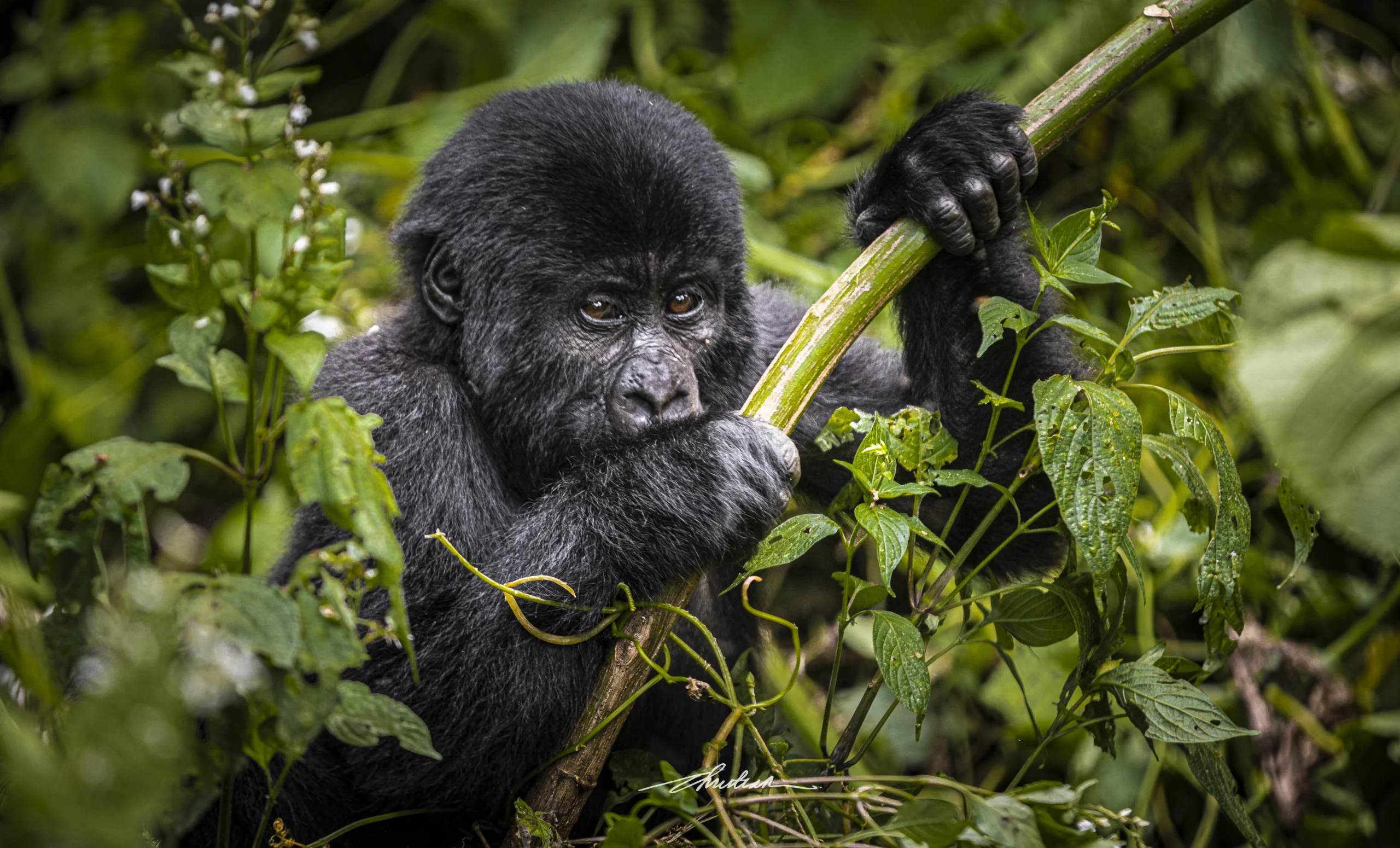
One of the most common aspects of mountain gorilla behavior during trek is feeding. Gorillas spend much of their time eating leaves, stems, and shoots. You will likely observe them stripping vegetation, chewing slowly, and moving steadily through the forest.
Feeding is usually calm and methodical, giving you excellent opportunities for observation and photography.
Movement While Feeding
As they feed, gorillas gradually move through the forest. The group rarely stays completely still, so your viewing experience may involve slow repositioning under ranger guidance.
Social Interactions Within the Group
Grooming and Bonding
Gorillas are highly social animals. Grooming is a key behavior that strengthens relationships within the group. You may see individuals picking debris from each other’s fur or sitting close together in relaxed contact.
These moments reveal the emotional depth and cohesion of the group.
Playful Behavior Among Juveniles
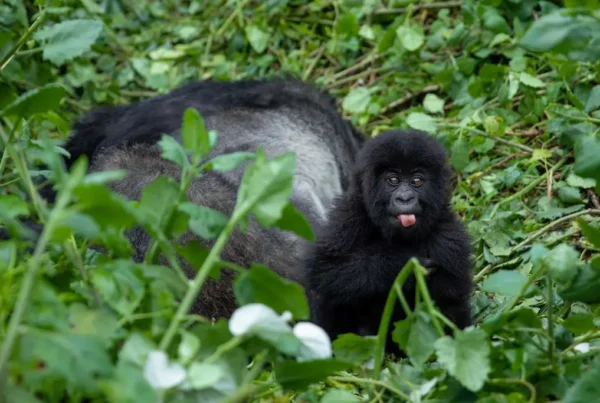
Young gorillas are energetic and curious. They often engage in play, including chasing, wrestling, and climbing trees. This playful behavior adds a dynamic element to the trek and provides insight into their development.
Juveniles may occasionally move closer to visitors out of curiosity, but rangers will manage the situation to maintain safe distances.
Communication and Vocalizations
Subtle Sounds and Signals
Gorillas communicate using a range of vocalizations, including grunts, hoots, and soft calls. These sounds help maintain group cohesion and signal emotions such as contentment or alertness.
You may hear low rumbling sounds during feeding, which often indicate a relaxed state.
Body Language and Expressions
Facial expressions and body posture are key components of mountain gorilla behavior during trek. Direct eye contact, chest positioning, and movement patterns all carry meaning.
Understanding these signals helps you interpret whether a gorilla is relaxed, curious, or asserting dominance.
Silverback Displays and Dominance Behavior
Chest Beating and Displays
In some cases, the silverback may perform a chest-beating display. This can sound dramatic but is usually a form of communication rather than aggression. It may be directed at other gorillas or as a general display of strength.
Visitors are instructed to remain calm and follow ranger guidance during such moments.
Protective but Controlled Reactions
If the silverback perceives a disturbance, he may move closer or position himself between the group and visitors. This is protective behavior, not an attack.
Strict trekking rules and experienced guides ensure that such situations remain controlled and safe.
Resting and Nesting Behavior
Midday Rest Periods
After feeding, gorillas often rest. You may find them lying on the ground, leaning against trees, or sitting quietly. These moments offer a chance to observe relaxed, natural behavior.
Nest Building
Although not always visible during a trek, gorillas build nests each evening using vegetation. This behavior highlights their adaptability and connection to their environment.
Movement Patterns and Terrain Interaction
Navigating Dense Forest
Gorillas move with surprising ease through thick vegetation. They use established paths, break branches, and create natural trails as they travel.
Climbing and Terrain Use
While mostly terrestrial, gorillas—especially younger ones—climb trees and navigate steep slopes. In areas like Nkuringo or Ruhija, their movement reflects the rugged terrain.
Safety and Visitor Interaction
Maintaining Distance
Visitors must keep a minimum distance of 7 meters. Gorillas may occasionally come closer, but you should remain still and avoid sudden movements.
Staying Calm and Quiet
Your behavior directly influences the experience. Calm, quiet observation aligns with natural gorilla behavior and ensures a peaceful encounter.
Following Ranger Instructions
Rangers interpret gorilla behavior and guide visitor positioning. Their instructions are essential for both safety and ethical interaction.
What Makes Gorilla Behavior Unique
Human-Like Traits
Gorillas share over 98% of human DNA, which is reflected in their expressions, gestures, and social bonds. Watching them interact often feels familiar and deeply moving.
Emotional Intelligence and Awareness
Gorillas display empathy, curiosity, and awareness of their surroundings. These traits make observing mountain gorilla behavior during trek both educational and emotionally impactful.
Plan Your Safari
A gorilla trek is not just about seeing wildlife—it is about understanding behavior, connection, and coexistence. By learning how gorillas act in their natural environment, you enhance your experience and contribute to respectful, conservation-focused tourism.