Nyundo Community Trails—Village Life and Conservation Near Bwindi.
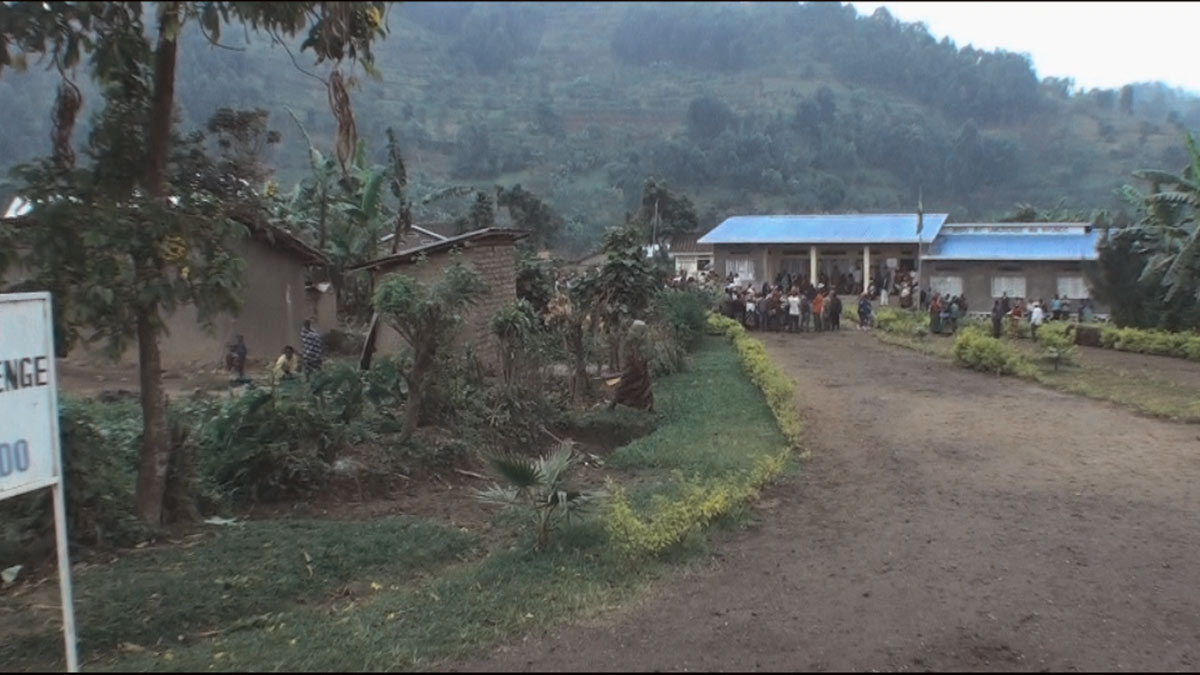
The Nyundo Community Trails offer one of the most grounded and educational cultural experiences around Bwindi Impenetrable National Park. Located near the Buhoma side of the park, Nyundo is a small rural community where daily life unfolds against the edge of ancient rainforest. The trails were developed to connect visitors with local livelihoods while ensuring tourism benefits flow directly to households that live alongside the park.
A walk on the Nyundo Community Trails is unhurried and conversational. Rather than staged performances, visitors encounter real moments of village life—farming, craft-making, school routines, and community gatherings—guided by residents who explain how conservation and tourism shape their everyday decisions.
Location and Landscape Setting
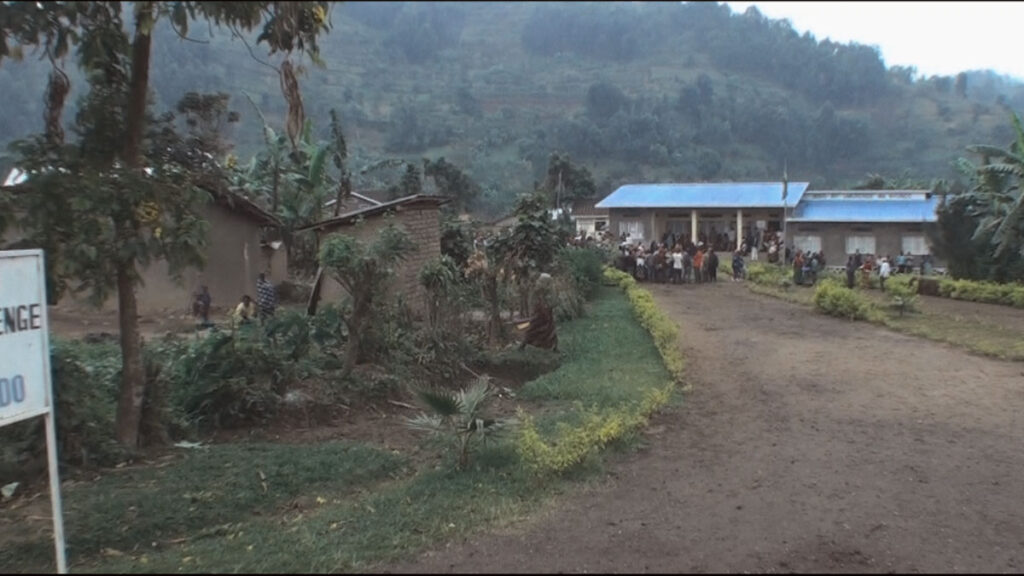
Nyundo sits on the lower-altitude northern fringe of Bwindi, an area characterized by rolling hills, river valleys, and fertile soils. The trails weave through cultivated plots of bananas, coffee, beans, and sweet potatoes, then skirt forest edges where birdsong and forest sounds are constant companions. This transition from village to forest edge helps visitors understand how closely human activity and conservation coexist here.
The landscape is gentler than southern Bwindi sectors, making the walk accessible to most visitors. Shaded paths, open viewpoints, and river crossings provide visual variety and frequent opportunities to pause and observe the environment while guides interpret land use and seasonal changes.
Daily Life and Livelihoods Along the Trails
A core focus of the Nyundo Community Trails is everyday rural life. Visitors observe subsistence farming practices, learn how families manage small plots, and hear about crop cycles shaped by rainfall and soil conditions. Coffee processing and banana cultivation are common discussion points, offering insight into how cash crops supplement household income.
Guides explain how proximity to Bwindi influences livelihoods, from restrictions on forest access to opportunities created by tourism. Employment as guides, porters, lodge staff, and artisans has reduced pressure on forest resources, reinforcing conservation through economic alternatives rather than enforcement alone.
Cultural Encounters and Storytelling
Cultural exchange on the Nyundo trails is personal and respectful. Visitors may be welcomed into homesteads to learn about household structures, traditional cooking methods, or local customs tied to family and community life. Storytelling plays a central role, with elders and guides sharing histories of the area and changes brought by Bwindi’s national park status.
Music and dance may be introduced when appropriate, but always as expressions of identity rather than spectacle. The emphasis remains on dialogue—listening, asking questions, and understanding context—so cultural encounters feel genuine and grounded.
Conservation Education and Community Stewardship
Nyundo Community Trails also function as an outdoor classroom for conservation awareness. Guides discuss wildlife movement near farms, human–wildlife coexistence, and the role of tourism revenue in supporting schools, clinics, and clean water projects. These conversations help visitors see conservation as a shared responsibility rather than a distant policy.
By linking tangible community benefits to protected forest outcomes, the trails demonstrate how community stewardship strengthens Bwindi’s long-term protection. Visitors leave with a clearer understanding of the human side of conservation success.
Accommodation Connected to Nyundo Community Tourism
Several lodges near Buhoma actively support Nyundo’s community initiatives and often coordinate visits to the trails. Buhoma Lodge is well known for its community partnerships, employing local staff and supporting education and conservation projects that benefit Nyundo households. Staying here makes participation in the trails a natural extension of the safari experience.
Another strong option is Sanctuary Gorilla Forest Camp, which works closely with surrounding communities through employment and local sourcing. Guests at these lodges gain deeper context for the community walk through interactions with staff who live in or near Nyundo.
Responsible Visitor Conduct on the Trails
Respectful engagement is essential on the Nyundo Community Trails. Visitors are encouraged to dress modestly, greet people politely, and ask permission before taking photographs. The walk is about mutual respect and learning, not charity or handouts.
Supporting the trail through guided participation and locally made crafts ensures benefits are shared fairly. Listening attentively and allowing interactions to unfold naturally leads to richer, more meaningful exchanges.
Why the Nyundo Community Trails Matter
The Nyundo Community Trails add an important human dimension to visiting Bwindi. They reveal how conservation decisions affect real families and how tourism can create positive change when communities are partners rather than bystanders. For many travelers, the walk provides context that deepens appreciation for gorilla trekking and forest protection.
This experience suits travelers who want to balance wildlife encounters with cultural understanding, creating a more complete picture of life around Bwindi.
Plan Your Safari
Including the Nyundo Community Trails in a Buhoma-based itinerary adds depth and balance to a Bwindi visit. Scheduling the walk before or after gorilla trekking allows time for reflection and connection. Approached with openness and respect, the Nyundo Community Trails transform a safari into a shared journey of conservation, culture, and community.
