Responsible Tourism in Uganda – Conservation, Communities, and Conscious Travel
Understanding Responsible Tourism in Uganda
Responsible tourism in Uganda is rooted in the understanding that travel takes place within living ecosystems and active communities. Uganda’s tourism model emphasizes protection of wildlife, respect for culture, and tangible benefits for local people. This approach has evolved out of necessity, as the country’s most iconic experiences depend on fragile environments that cannot sustain mass tourism without long-term damage.
Uganda’s positioning as a responsible destination is especially evident in its primate tourism, where strict rules govern visitor numbers, behavior, and access. Rather than maximizing volume, the country prioritizes quality experiences that generate conservation funding while preserving ecological integrity. Responsible tourism in Uganda is therefore not a trend but a foundational principle guiding how travel is planned, managed, and experienced.
Wildlife Conservation as the Core of Responsible Tourism
Wildlife protection sits at the heart of Uganda’s responsible tourism framework. In parks such as Bwindi Impenetrable National Park, Queen Elizabeth National Park, and Murchison Falls National Park, tourism operates under strict conservation guidelines designed to minimize disturbance and protect animal behavior.
Gorilla trekking exemplifies this model. Daily permits are limited, group sizes are controlled, and time spent with gorillas is restricted. These measures reduce stress on wildlife while generating essential funding for ranger patrols, habitat protection, and research. Responsible tourism ensures that wildlife encounters remain ethical and that conservation success continues beyond the present generation.
Community Participation and Local Benefits
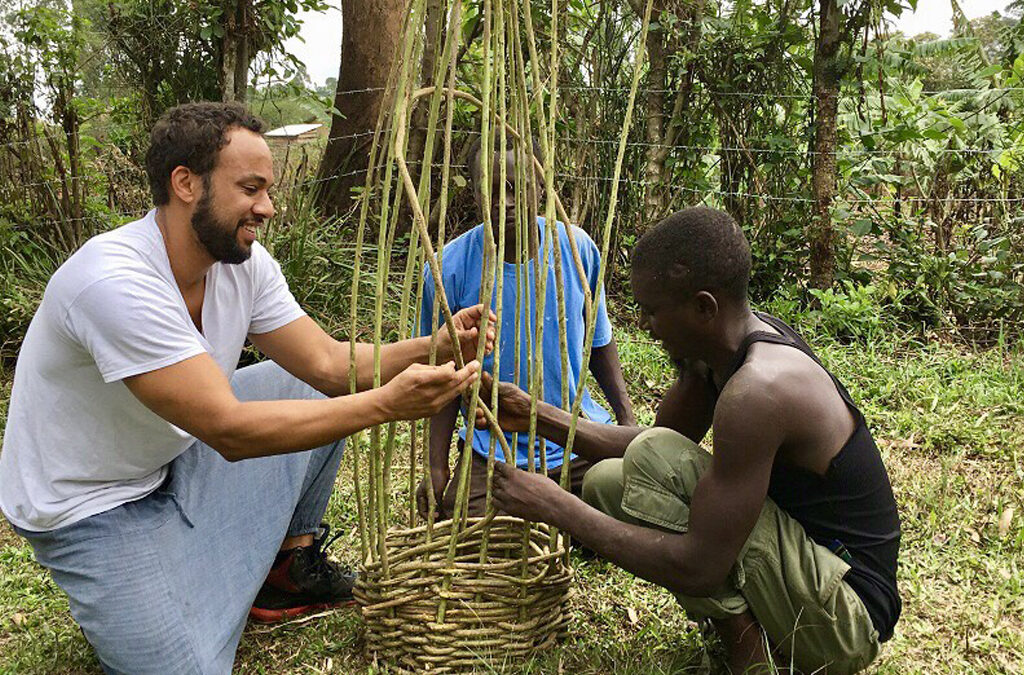
Responsible tourism in Uganda actively integrates local communities into the tourism economy. Communities living near national parks often bear the cost of conservation through restricted land use and wildlife interactions. Tourism provides a mechanism to offset these costs by creating employment, infrastructure, and development opportunities.
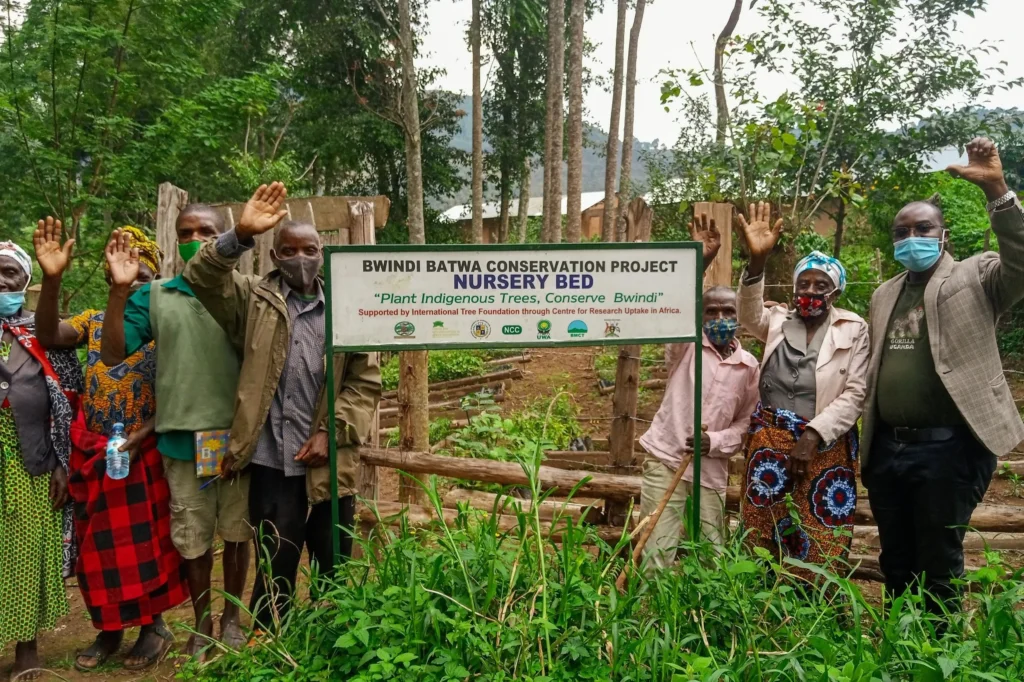
Revenue-sharing programs channel a portion of park income into community projects such as schools, health centers, water systems, and roads. In areas around Bwindi and Kibale, community-guided walks, cultural experiences, and local services allow residents to benefit directly from tourism. This inclusion strengthens local support for conservation and reduces pressure on protected areas.
Indigenous Communities and Cultural Respect
A key aspect of responsible tourism in Uganda is respect for indigenous and historically marginalized communities. The Batwa people around Bwindi represent one of the most significant examples. After displacement from the forest, cultural tourism initiatives emerged as a way to preserve Batwa heritage while providing income and visibility.
These experiences focus on storytelling, traditional knowledge, music, and forest history, led by Batwa community members themselves. Responsible tourism ensures that such encounters are educational and dignified rather than exploitative. Visitors are encouraged to approach these interactions with sensitivity, recognizing the complex history behind them.
Environmentally Responsible Accommodation
Accommodation plays a major role in shaping tourism’s environmental footprint. Across Uganda, many lodges have adopted eco-conscious practices such as solar power, rainwater harvesting, waste reduction, and use of locally sourced materials. These measures reduce pressure on fragile environments while supporting local supply chains.
In regions like Bwindi, Lake Mutanda, and Queen Elizabeth, lodges often employ local staff, purchase produce from nearby farms, and support community initiatives. Staying at environmentally responsible accommodation allows travelers to contribute directly to sustainability without compromising comfort or quality.
Responsible Traveler Behavior
Responsible tourism is not only about systems and policies but also about individual behavior. Visitors are expected to respect wildlife rules, follow guide instructions, and remain on designated trails. These actions protect animals, reduce habitat degradation, and ensure safety.
Cultural respect is equally important. Dressing modestly in villages, asking permission before photography, and supporting local businesses foster positive relationships between visitors and hosts. Small actions, when practiced consistently, help maintain trust and goodwill toward tourism in rural areas.
Tourism Revenue and Conservation Funding
Tourism provides a critical financial backbone for conservation in Uganda. Permit fees, park entry charges, and tourism-related taxes fund ranger salaries, anti-poaching operations, habitat restoration, and scientific research. Without tourism, many conservation efforts would face severe funding shortfalls.
Responsible tourism ensures this funding remains sustainable. By limiting numbers and maintaining high standards, Uganda avoids overuse of its natural assets. This long-term approach protects biodiversity while keeping tourism viable as a conservation tool.
Challenges Facing Responsible Tourism
Despite strong frameworks, responsible tourism in Uganda faces ongoing challenges. Population growth near protected areas, climate change, and economic pressures increase demand on land and resources. Tourism must constantly adapt to balance access with protection.
Continued education, enforcement, and community engagement are essential. Travelers also play a role by choosing responsible experiences and respecting regulations. Responsible tourism is a shared responsibility that requires cooperation across all levels.
Why Responsible Tourism Matters in Uganda
Uganda’s wildlife, landscapes, and cultures are deeply interconnected. Responsible tourism recognizes these connections and seeks to protect them through thoughtful travel practices. It transforms tourism into a partnership between visitors, communities, and conservation authorities.
For travelers, responsible tourism adds meaning and depth to the journey. Knowing that your visit supports gorilla conservation, community development, and environmental protection enhances the overall experience and leaves a positive legacy.
Plan Your Safari
Responsible tourism in Uganda begins with informed choices. Selecting ethical wildlife experiences, supporting community-based initiatives, and respecting local cultures ensures your journey contributes positively. When approached thoughtfully, travel in Uganda becomes more than a safari—it becomes a meaningful investment in conservation and people.
