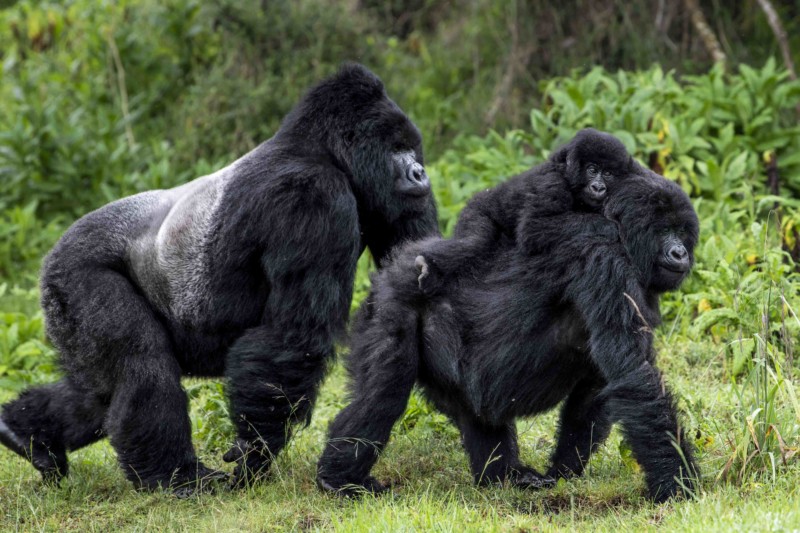
Ruhija Community Walk – Cultural Encounters in the Highlands of Bwindi.
The Ruhija Sector offers one of the most authentic community walking experiences around Bwindi Impenetrable National Park. Perched in the highlands on the eastern side of the park, Ruhija is surrounded by small farming villages, rolling hills, and mist-covered valleys that reflect daily rural life in southwestern Uganda. The community walk here provides travelers with a meaningful way to connect with local people whose lives are closely linked to the forest.
Unlike fast-paced cultural stops, the Ruhija community walk is slow and conversational. It is designed to fit naturally into village routines, allowing visitors to observe, listen, and interact without disrupting daily life. This walk complements gorilla trekking by adding social and cultural depth to the overall Bwindi experience.
Landscape and Setting of the Walk
Ruhija sits at a higher altitude than many other Bwindi sectors, and this elevation shapes both scenery and lifestyle. The community walk passes through terraced hillsides, narrow footpaths, eucalyptus groves, and cultivated plots of potatoes, beans, and bananas. From higher viewpoints, walkers enjoy sweeping views over the forest canopy and distant hills, often softened by drifting mist.
The highland environment creates a calm and reflective atmosphere. The cooler climate encourages a slower pace of life, and villagers are often seen working fields, carrying produce, or gathering in small groups to talk. This setting makes the Ruhija community walk visually striking as well as culturally enriching.
Daily Life and Farming Culture
A central focus of the Ruhija community walk is understanding rural livelihoods. Most households rely on subsistence farming, and visitors observe traditional agricultural methods shaped by steep terrain and unpredictable weather. Terracing, crop rotation, and shared labor are common practices that reflect generations of adaptation to the landscape.
Guides explain how conservation has influenced farming choices, including reduced access to forest resources and increased reliance on sustainable land use. These conversations provide insight into how communities balance survival with conservation responsibilities, offering a realistic picture of life beside a protected forest.
Cultural Interaction and Local Traditions
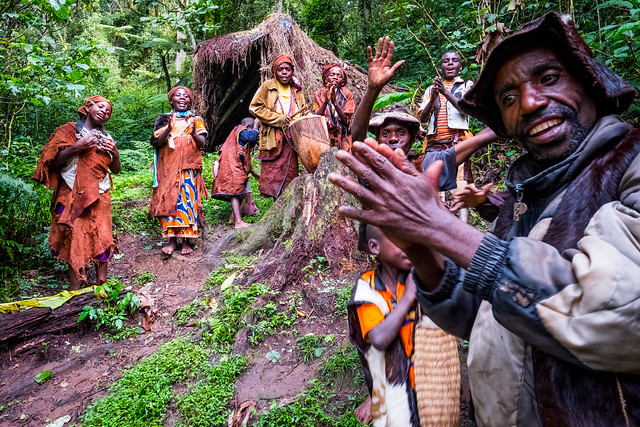
Cultural interaction during the Ruhija community walk is informal and respectful. Visitors may be welcomed into homesteads, introduced to family members, or shown how local foods are prepared. Storytelling plays an important role, with elders and guides sharing histories of the area, clan traditions, and the impact of Bwindi’s national park status on community life.
Music and dance may be included on some walks, but they are presented as expressions of identity rather than performances staged for tourists. This approach ensures that cultural exchange remains genuine and rooted in local pride.
Conservation Awareness and Community Involvement
The Ruhija community walk also highlights the role local people play in conservation. Guides explain how tourism revenue supports schools, health centers, and community projects, and how employment opportunities such as guiding, portering, and lodge work reduce pressure on the forest.
Visitors learn about conservation challenges, including crop raiding by wildlife and restrictions on forest access. Understanding these realities helps travelers appreciate the importance of community-based tourism as a tool for long-term conservation success in Bwindi.
Accommodation Linked to Community Tourism
Several lodges in Ruhija actively support community tourism and often serve as starting points for the community walk. Bakiga Lodge is well known for its strong community partnerships, local employment, and support for education initiatives. Staying here enhances the impact of the community walk by directly contributing to local livelihoods.
Another notable option is Agandi Eco-Lodge, which emphasizes low-impact tourism and close collaboration with surrounding villages. Guests at these lodges often gain deeper context for the walk through conversations with staff who come from the local community.
Responsible Visitor Behavior During the Walk
Respectful behavior is essential during the Ruhija community walk. Visitors are encouraged to dress modestly, greet people politely, and ask permission before taking photographs. Listening attentively and allowing conversations to unfold naturally creates more meaningful exchanges.
The walk is not about giving gifts or charity but about mutual respect and understanding. Supporting community initiatives through guided walks and local services ensures benefits are shared fairly and sustainably.
Why the Ruhija Community Walk Matters
The Ruhija community walk adds a human dimension to visiting Bwindi. It reminds travelers that conservation is not only about protecting wildlife but also about supporting the people who live alongside it. By participating in the walk, visitors contribute to a tourism model that values culture, dignity, and shared responsibility.
For many travelers, this experience becomes one of the most memorable parts of their journey, offering insight into resilience, adaptation, and the everyday realities of life in the Bwindi highlands.
Plan Your Safari
Including a Ruhija community walk in your itinerary allows time to slow down and connect beyond wildlife encounters. Scheduling the walk before or after gorilla trekking creates balance and perspective. When approached with openness and respect, the Ruhija community walk transforms a safari into a richer and more human experience.
