Rwanda’s Gorilla Families – Habituated Groups Explained.
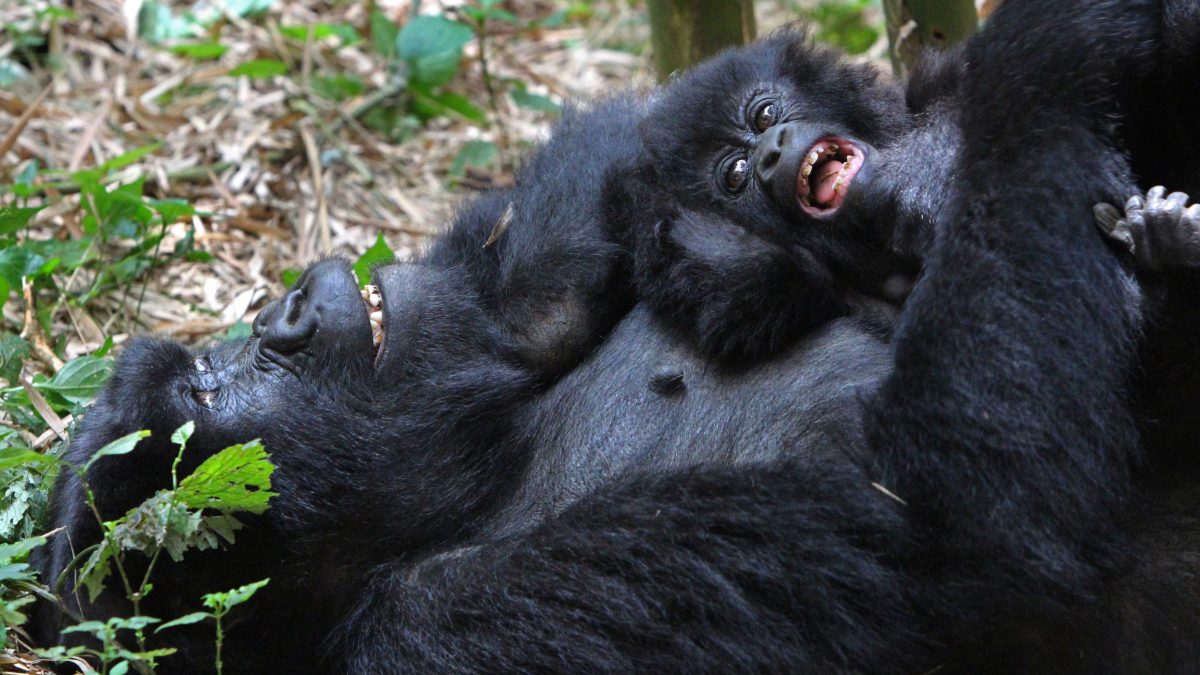
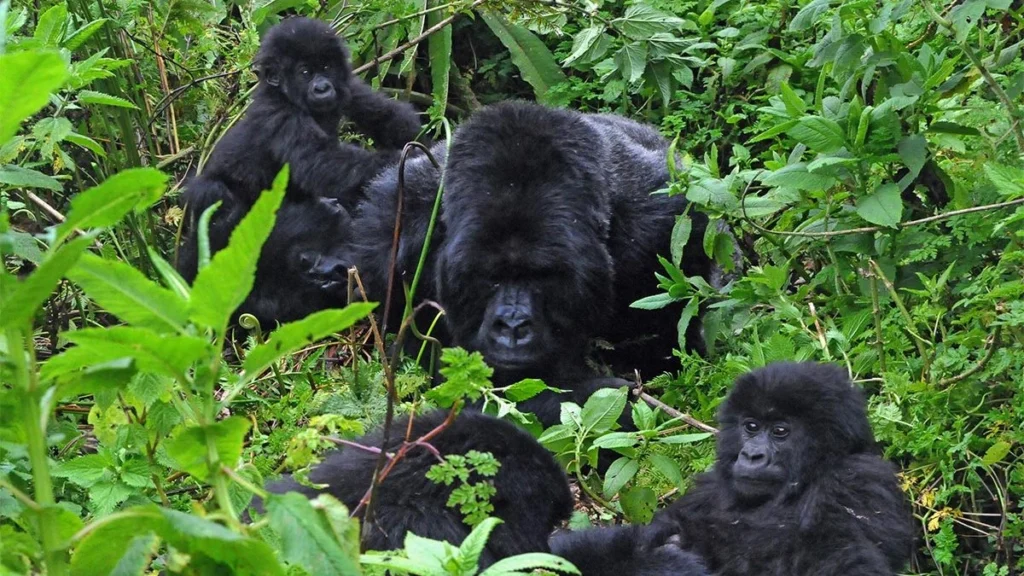
Rwanda protects several habituated gorilla families inside Volcanoes National Park. These families live on the slopes of the Virunga Volcanoes and move through bamboo forests, hagenia woodlands, and open high-altitude meadows. Each family holds a different personality shaped by its silverback, its history, and the behavior of its juveniles and infants. Learning about these families helps trekkers understand what to expect on the mountain and how each group interacts during the encounter.
Why Rwanda Habituates Gorilla Families
Habituation prepares gorillas to accept human presence without fear. Rangers spend months near each gorilla group, allowing the silverback and the entire family to recognise humans as neutral. This process creates peaceful encounters during trekking. Rwanda maintains several habituated families to keep trekking groups small, organised, and respectful of gorilla behaviour.
Susa A Family
Susa A stands among the most famous families. The group once held more than 40 members, including playful twins that drew worldwide attention. The family now holds fewer members, but its history remains rich. They live deep inside the forest and often require long hikes. Trekkers who meet Susa A enjoy powerful scenes from dominant silverbacks and playful juveniles.
Karisimbi Family
Karisimbi lives high on Mount Karisimbi. The family stays in elevated zones with cool air and dramatic scenery. Treks to this group feel demanding but rewarding. The silverback leads calmly, and the family interacts with gentle movements. Encounters with Karisimbi often unfold in quiet clearings with mist hanging low over the slopes.
Amahoro Family
Amahoro means peace, and the family lives up to its name. The group behaves calmly, often grooming and feeding with soft energy. The silverback leads with gentle authority. Trekkers enjoy relaxed scenes where infants play, mothers rest, and juveniles swing from low branches. This family suits those who enjoy peaceful interactions.
Umubano Family
Umubano split from Amahoro after a strong conflict between two silverbacks. The new silverback formed Umubano and built a confident, active group. The family behaves with curiosity and energy. Encounters feel lively because juveniles move often, and the silverback watches with alert composure.
Hirwa Family (Frequently Moves)
Hirwa earned fame for its friendly and welcoming nature. The family once lived in Volcanoes National Park but moved across borders into Uganda’s Mgahinga. They sometimes return to Rwanda. When present, the family offers a mix of playfulness and strong group unity. Their movements show how mountain gorillas cross natural borders freely.
Agashya (Group 13)
Agashya remains one of the most stable and reliable groups for trekking. The family often stays in moderate zones, which makes trekking manageable. The silverback leads confidently and keeps the group together during feeding. The atmosphere stays active because the group holds many juveniles and sub-adults.
Sabyinyo Family
Sabyinyo holds one of the region’s largest and most dominant silverbacks. The family often ranges near the lower slopes, making them accessible to many trekkers. Encounters feel impressive because the silverback stands tall and powerful while the rest of the family behaves calmly around him.
Kwitonda Family (Formerly Ranged Into the Park)
Kwitonda once lived inside Volcanoes before moving towards Congo. The silverback held a gentle personality and built a respected lineage. Although the group now ranges outside Rwanda, their history remains important to the park.
Titus Family (Historic Group)
The Titus family connects to Dian Fossey’s early research. Titus lived through intense forest history and became one of the most documented silverbacks. The family still influences conservation storytelling in Rwanda.
Why Each Gorilla Family Offers a Unique Experience
Every family holds its own rhythm. Some groups behave quietly. Others show playful energy. Some live near the lower slopes with open terrain. Others stay deep inside the forest where mist and moss shape the encounter. These differences make Rwanda’s trekking experience rich and personal. Trekkers learn about silverback leadership, family bonds, grooming patterns, and infant play.
How Rangers Assign Gorilla Families
Rangers assign families based on fitness level and trekking preferences. Travellers who want a short hike join families near the lower slopes. Travellers who enjoy long climbs venture toward deeper forest groups. This system ensures comfort and safety while allowing trekkers to experience the forest style that suits them best.
Plan Your Safari
If you want, I can create a comparison chart of all families, a short version for website landing pages, or a Volcanoes vs Bwindi gorilla family breakdown.
