Top Medical Considerations When Climbing Kilimanjaro.
Climbing Mount Kilimanjaro is a remarkable achievement, but it places significant stress on the human body. Although the mountain does not require technical climbing skills, the medical challenges are real and should never be underestimated. Proper medical awareness and preparation can mean the difference between a safe, successful summit and a forced descent.
Understanding the key medical considerations before and during your Kilimanjaro climb is essential for protecting your health and maximizing your chances of reaching Uhuru Peak.
Altitude Sickness: The Primary Medical Risk
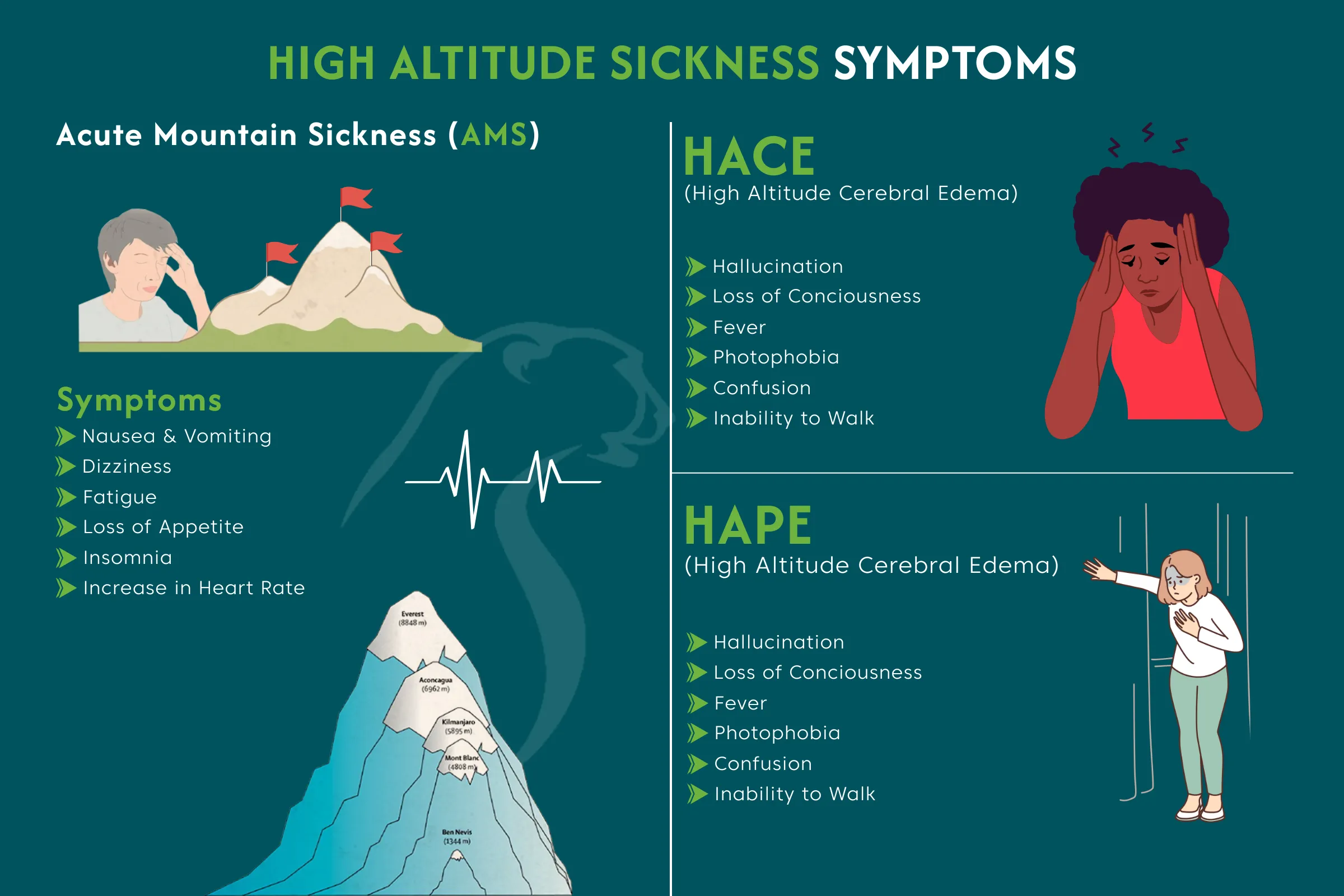
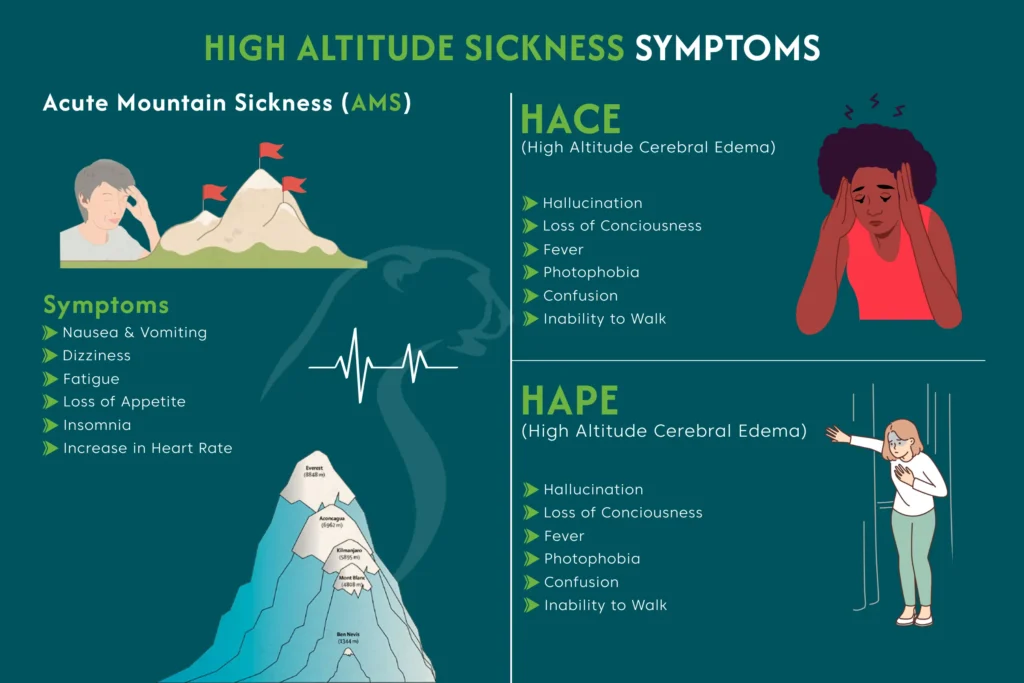
Altitude sickness is the most common and serious medical issue on Kilimanjaro. As you ascend, oxygen levels decrease, making it harder for your body to function normally. Symptoms often begin above 3,000 meters and may include headaches, nausea, dizziness, fatigue, loss of appetite, and disturbed sleep.
In more severe cases, altitude sickness can develop into life-threatening conditions such as High Altitude Cerebral Edema (HACE) or High Altitude Pulmonary Edema (HAPE). These conditions require immediate descent. Recognizing early symptoms and responding quickly is critical for safety.
Acclimatization and Ascent Rate
How quickly you ascend plays a major role in your medical safety. Rapid ascent increases the likelihood of altitude-related illnesses, even in fit individuals. Proper acclimatization allows your body time to adjust to reduced oxygen levels and lowers the risk of serious complications.
Longer routes with gradual elevation gain are medically safer and consistently show higher summit success rates. Ignoring acclimatization schedules or pushing too fast places unnecessary strain on the body.
Dehydration and Fluid Balance
Dehydration is extremely common on Kilimanjaro and worsens nearly every other medical issue. Cold, dry air, increased breathing rates, and altitude-related appetite loss all contribute to fluid depletion. Many climbers underestimate how much water they need.
Inadequate hydration intensifies headaches, fatigue, altitude symptoms, and cold sensitivity. Drinking consistently throughout the day is one of the simplest and most effective medical safeguards on the mountain.
Nutrition and Energy Deficiency
High altitude often suppresses appetite, yet your body requires more calories to function in cold and low-oxygen environments. Inadequate nutrition can lead to weakness, dizziness, reduced immunity, and slower recovery.
Medical fatigue caused by under-eating can mimic altitude sickness symptoms, making diagnosis more difficult. Eating small, frequent meals—even when you do not feel hungry—helps maintain strength and mental clarity.
Cold-Related Medical Issues
Hypothermia and frost-related injuries are real risks on Kilimanjaro, especially during summit night. Extreme cold combined with wind and exhaustion can reduce your body’s ability to maintain normal temperature.
Early signs include uncontrollable shivering, confusion, numbness, and clumsiness. Proper layering, staying dry, and maintaining calorie and fluid intake are essential for preventing cold-related medical emergencies.
Sunburn and UV Exposure
Despite freezing temperatures at higher altitudes, Kilimanjaro receives intense ultraviolet radiation due to its equatorial location and thin atmosphere. Severe sunburn can occur even on cloudy days and contributes to dehydration and fatigue.
Protecting exposed skin with sunscreen, lip balm with SPF, sunglasses, and appropriate clothing is a medical necessity, not just a comfort measure.
Pre-Existing Medical Conditions
Climbers with asthma, heart conditions, diabetes, high blood pressure, or previous altitude issues should consult a medical professional before attempting Kilimanjaro. While many people with managed conditions successfully reach the summit, adjustments to pace, medication, and monitoring may be required.
Disclosing medical conditions to your guiding team ensures proper support and emergency preparedness on the mountain.
Medication and First Aid Preparedness
Many climbers carry medications such as acetazolamide (Diamox) to assist with acclimatization, though it should only be used under medical guidance. Pain relievers, anti-nausea medication, blister treatment, and basic first aid supplies are also important.
Professional guiding teams typically carry medical kits and monitor climbers daily, checking oxygen saturation and symptoms. This monitoring plays a vital role in early detection of medical issues.
Mental Health and Psychological Stress
Mental strain is often overlooked but has real medical consequences. Fatigue, sleep disruption, altitude discomfort, and fear can increase anxiety and reduce decision-making ability. Psychological stress can worsen physical symptoms and slow recovery.
Staying calm, well-rested, and mentally prepared supports both physical health and overall safety during the climb.
When to Descend: The Most Important Medical Decision
One of the hardest medical decisions on Kilimanjaro is knowing when to turn back. Summit goals should never override health concerns. Persistent or worsening symptoms, confusion, chest tightness, or coordination problems are clear signs that descent is necessary.
Descending is not failure—it is a responsible medical choice that protects your life.
Final Thoughts
Climbing Kilimanjaro is a powerful physical and emotional journey, but it demands respect for your body’s limits. Medical awareness, proper preparation, and honest communication with your guides significantly reduce risk and increase success.
A safe climb is always more important than a fast summit. When medical considerations are taken seriously, Kilimanjaro becomes not just achievable—but truly rewarding.
