Ugly, Shy & Small: 5 Safari Animals of Africa You’ll Rarely See
When people imagine an African safari, they picture lions roaring on the plains, elephants marching at sunset, and giraffes silhouetted against acacia trees. Yet Africa’s wilderness is also home to a quieter cast of characters—animals that are small, shy, and often labeled “ugly,” but are just as fascinating as the Big Five. These creatures rarely pose for cameras, but they play vital roles in their ecosystems and reward patient, curious travelers.
Here are five of Africa’s most overlooked safari animals—proof that beauty and importance in nature come in many forms.
The Aardvark: Africa’s Nighttime Engineer
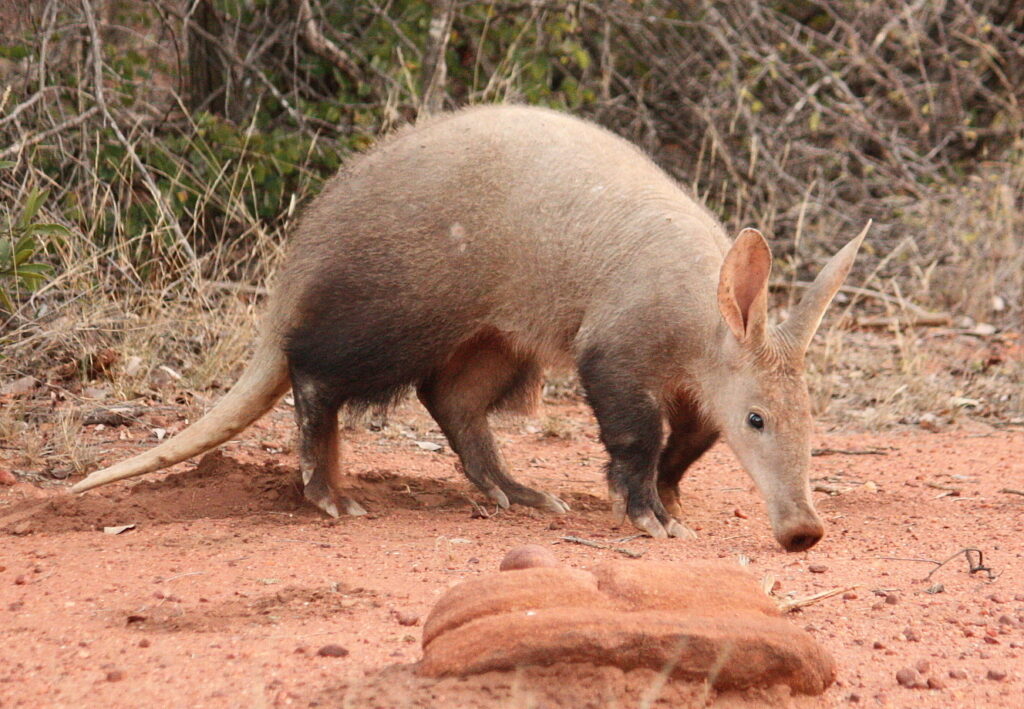
The aardvark looks like a creature stitched together from spare parts. With a pig-like snout, rabbit-sized ears, thick tail, and hunched body, it is rarely anyone’s idea of elegance. Yet beneath that awkward appearance lies one of Africa’s most important nocturnal mammals.
Aardvarks spend their nights digging for ants and termites, using powerful claws and an extraordinary sense of smell. Their burrows later become shelters for warthogs, porcupines, reptiles, and even small carnivores. Seeing one on safari is rare and special, usually during night drives in remote savannah parks.
The Pangolin: Africa’s Most Elusive Mammal
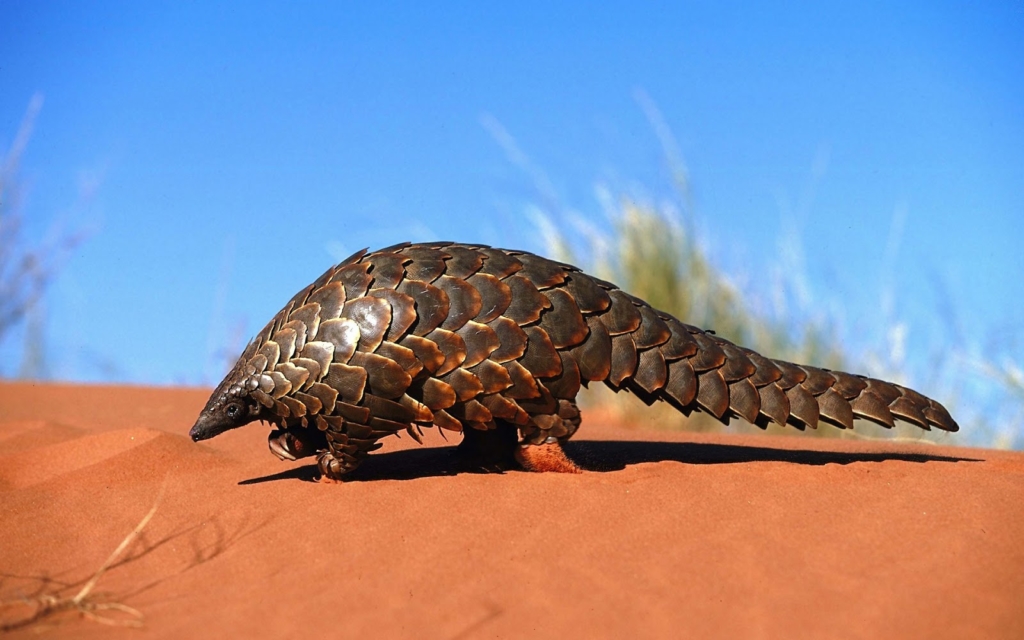
Often mistaken for a walking pinecone, the pangolin is covered head to tail in hard keratin scales. When threatened, it curls into a tight armored ball, relying on defense rather than speed. This shy behavior, combined with nocturnal habits, makes pangolins one of the hardest animals to spot on safari.
Despite their odd appearance, pangolins are gentle insect-eaters that help control termite populations. Sadly, they are also among the most trafficked mammals in the world, which makes a sighting in the wild not just rare, but deeply meaningful.
The Rock Hyrax: Small, Strange, and Surprisingly Loud
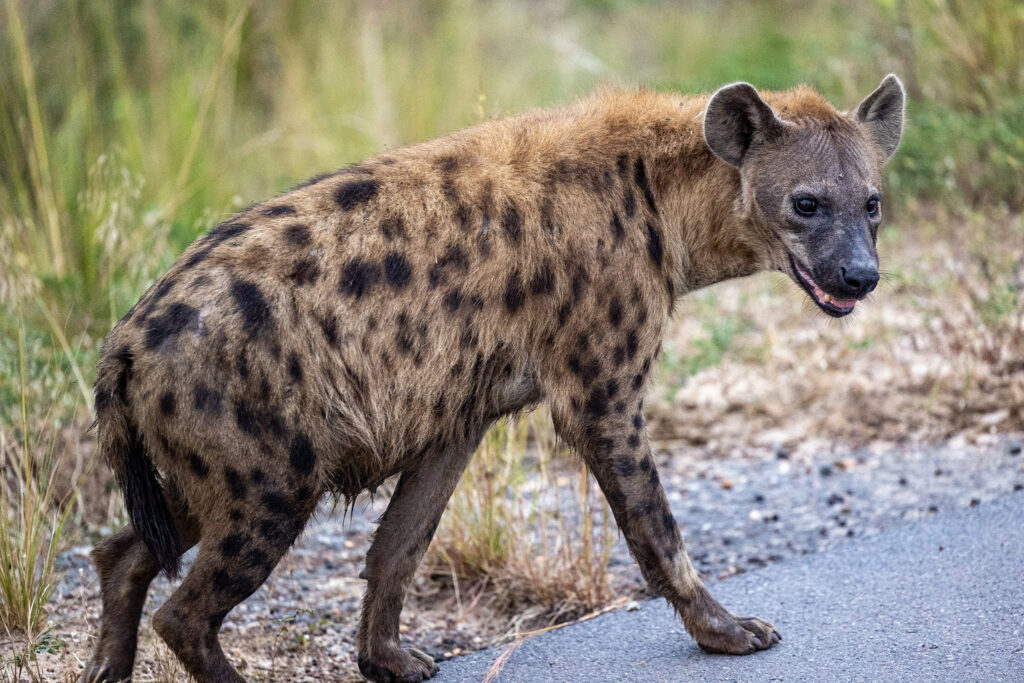 At first glance, the rock hyrax resembles an oversized guinea pig basking on rocky outcrops. Its squat body and blunt face hardly suggest anything remarkable. Yet genetically, the hyrax’s closest relatives are elephants and manatees—a fact that still surprises scientists.
Rock hyraxes live in tight-knit colonies and communicate through high-pitched calls that echo across cliffs and kopjes. You’ll often hear them before you see them. Their role as prey species supports raptors, leopards, and other predators, making them an important link in the food chain.
The Bat-Eared Fox: Small, Nervous, and Always Listening
With ears far too large for its slender body, the bat-eared fox looks permanently startled. Those oversized ears are not just for show—they allow the fox to hear insects moving underground. Termites make up most of its diet, giving this little carnivore a niche that avoids competition with larger predators.
Bat-eared foxes are shy and alert, often seen at dawn or dusk when the plains are quiet. They live in monogamous pairs and family groups, and despite their timid nature, they are excellent parents, with males playing an active role in raising pups.
The Naked Mole-Rat: Ugly by Design, Brilliant by Nature
Few animals challenge human ideas of beauty more than the naked mole-rat. Hairless, wrinkled, nearly blind, and equipped with oversized teeth, it lives almost entirely underground. On the surface, it looks fragile and awkward. In reality, it is one of the most extraordinary mammals on Earth.
Naked mole-rats live in complex colonies similar to those of ants or bees, complete with a queen and workers. They are resistant to cancer, tolerate low oxygen levels, and can live far longer than other rodents. While rarely seen on safari, they are a reminder that Africa’s wildlife wonders extend far beyond what appears on game drive checklists.
Why These Animals Matter on Safari
These “ugly, shy, and small” animals rarely make headlines, but they are essential to Africa’s ecosystems. They aerate soil, control insect populations, support predators, and maintain ecological balance. For travelers who slow down, listen, and look closely, they add depth and authenticity to a safari experience.
A truly rewarding African safari is not only about ticking off famous species. It is about understanding the full web of life—from the quiet diggers of the night to the overlooked creatures hiding in rocks and grassland
