What to Expect on a Gorilla Trekking Day.
A gorilla trekking day begins early and unfolds through calm forests, misty slopes, and quiet moments that lead to one of the most emotional wildlife encounters in Africa. The experience mixes anticipation, physical challenge, and deep connection. Every hour builds toward the moment when trekkers stand before the gorilla family. Understanding how the day flows helps travellers feel confident and ready for the forest.
Early Morning Start and Briefing
Trekkers arrive at the park headquarters in the early morning. The forest feels cool and quiet, and mist rolls off the ridges. Rangers welcome the group and begin a detailed briefing. They explain gorilla behavior, trekking rules, and what to expect inside the forest. The briefing sets the tone for the day and prepares trekkers mentally for the experience.
After the briefing, trekkers join their assigned groups. Each group receives a guide, rangers, and porters for support. The atmosphere stays calm and organised, and everyone prepares for the hike ahead.
Entering the Forest
The trek begins gently. The first section often moves through open paths, farmland edges, or bamboo belts. Birds call, leaves rustle, and the morning air remains cool. Trekkers follow a steady pace and adjust to the terrain. As the route enters thicker forest, the vegetation grows taller and richer. Vines, moss, and ferns create a deep green world.
Rangers stay in communication with trackers who moved ahead at dawn. The trackers follow fresh signs—broken stems, footprints, and feeding traces. Their updates guide the group toward the gorilla family.
Climbing Through Changing Terrain
The forest shifts often during the trek. Some areas feel steep, others flatten into quiet valleys. High ridges catch cool breezes while lower zones hold thick, warm vegetation. The terrain adds adventure but remains manageable with a steady rhythm. Short breaks help the group rest, drink water, and enjoy the scenery.
Trekkers feel the forest grow quieter as they near the gorillas. The sounds change from wind and footsteps to the soft movements of the gorillas themselves.
The First Encounter
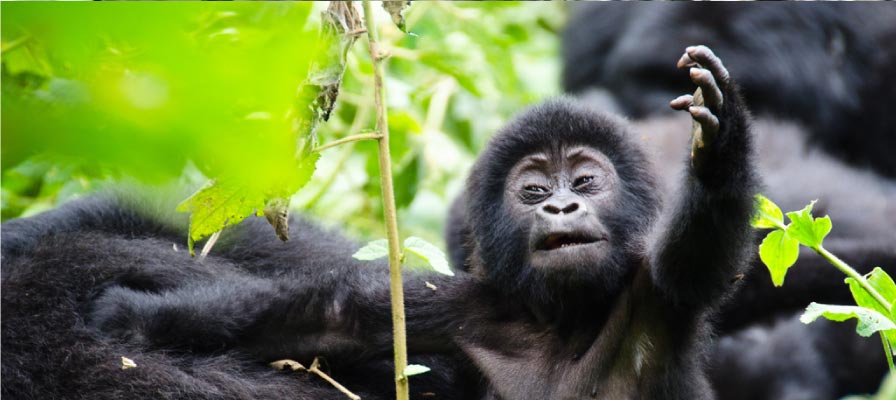
The first sighting creates a powerful moment. The gorillas appear between leaves, sitting calmly or feeding on stems. The silverback watches over the group. Females groom each other. Infants climb and play. The forest becomes still, and the atmosphere fills with awe.
Trekkers spend one full hour with the gorilla family. The hour feels slow and gentle because the gorillas move without fear. They chew softly, gesture to one another, or shift positions. Every detail becomes emotional and unforgettable. The experience allows travellers to witness gorilla life at close range without disturbing natural behaviour.
Photography and Observation
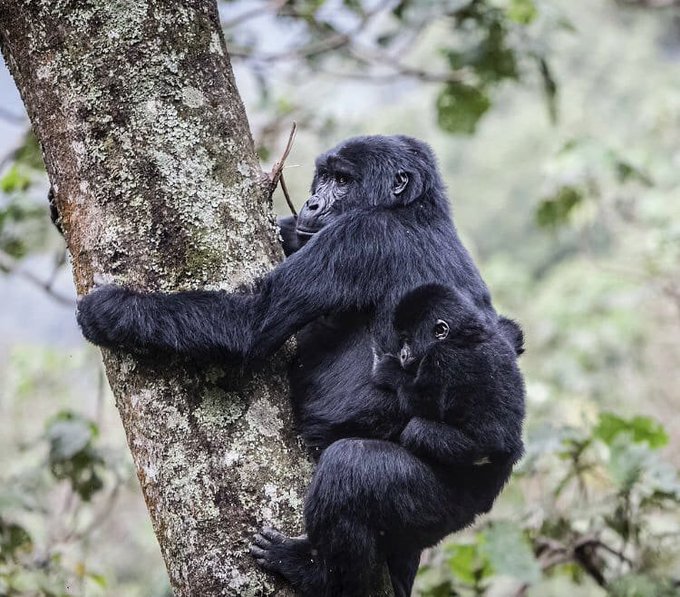
Photographers enjoy rich opportunities. The forest light filters through the canopy and creates soft tones. No flash suits the gorillas’ comfort, so trekkers rely on natural light. Cameras stay quiet, and movements remain slow. The focus shifts between gorillas feeding, infants playing, or the silverback resting in silence.
Ending the Encounter
When the hour ends, the guide signals the group gently. Trekkers step back and begin the return hike. The walk feels lighter because the biggest moment has already happened. The forest seems more familiar, and the body relaxes. Trekkers often reflect on the encounter during the descent.
Returning to the Starting Point
The group arrives back at the headquarters with a sense of achievement. Some parks offer certificates of participation. Trekkers rest, enjoy a late meal, and share stories about the gorilla family they met. The day ends with strong emotions and lasting memories.
Why the Trekking Day Feels Special
A gorilla trek blends physical effort, quiet forest rhythms, and deep connection with wildlife. The day moves from anticipation to emotion. Every moment—from briefing to encounter—creates a complete journey that stays in the heart long after leaving the forest.
Plan Your Safari
If you want this transformed into a short version, a family-friendly version, or a country-specific version for Rwanda, Uganda, or Congo, tell me.
