How to Plan a Big Five Safari on a Budget
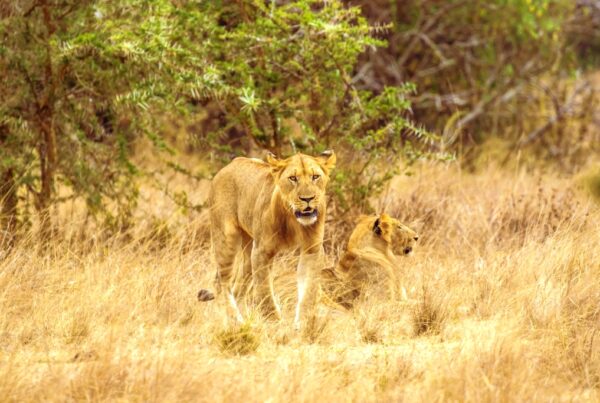
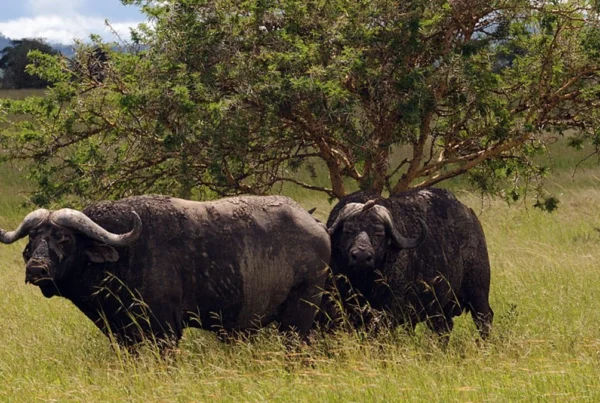
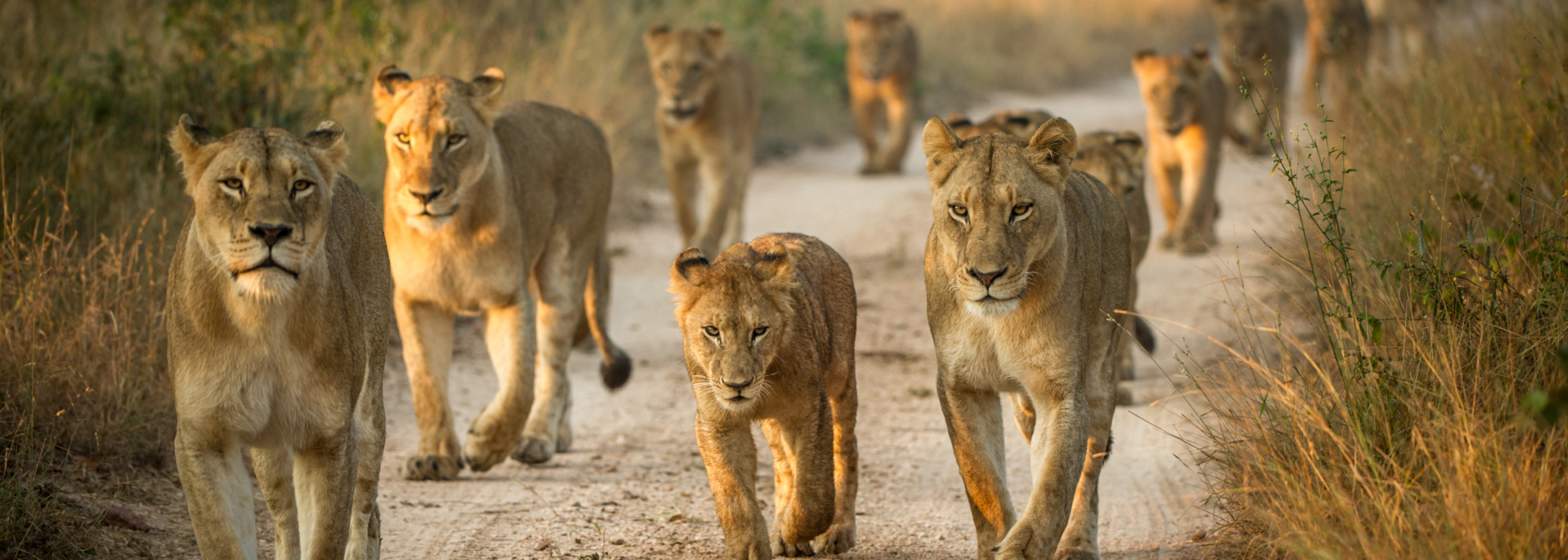
Budget Big Five safari. A Big Five safari does not have to be expensive to be rewarding. With smart planning, realistic expectations, and the right destination choices, you can see lions, elephants, leopards, buffalo, and rhinos without paying luxury prices. Budget safaris focus on value, wildlife density, timing, and efficiency, rather than high-end frills. When done correctly, they deliver authentic wildlife encounters that feel just as powerful as premium safari
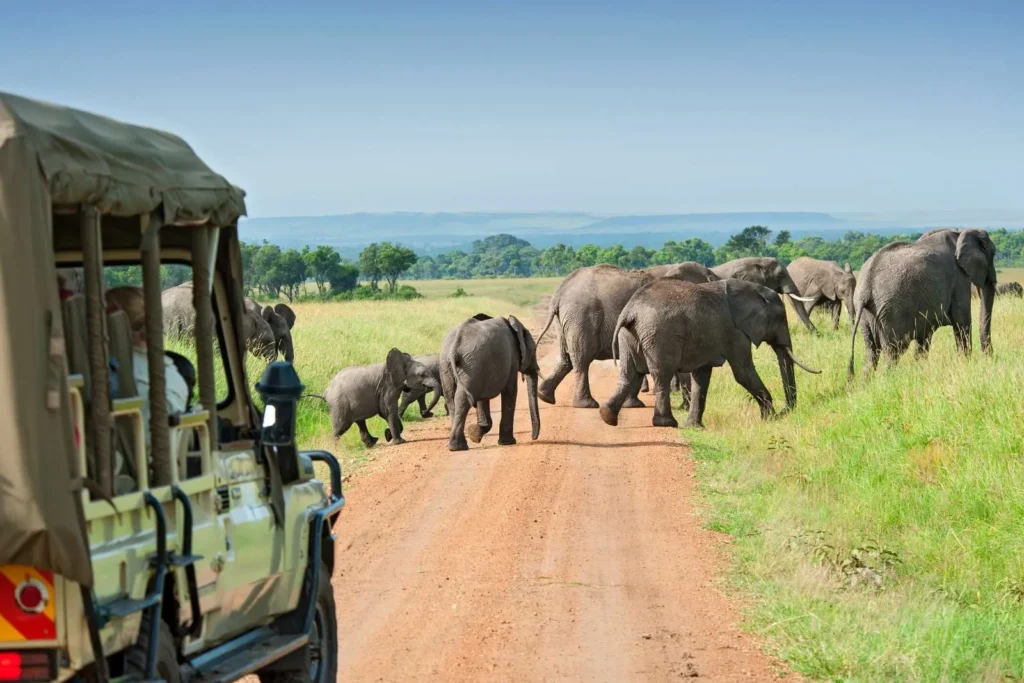
Start With the Right Destination
Choosing the right country and parks is the single most important budget decision. Some destinations offer higher Big Five density within smaller areas, which reduces travel time and cost.
Kenya remains one of the best budget-friendly Big Five destinations. Parks such as the Maasai Mara, Lake Nakuru, Amboseli, and Tsavo allow travellers to see most or all of the Big Five within a short itinerary. High wildlife concentration means fewer days and fewer parks are needed to achieve meaningful sightings.
Avoid spreading your trip across too many locations. Fewer parks with longer stays reduce fuel costs, park fees, and accommodation expenses.
Choose the Right Time to Travel
Timing strongly affects safari cost. Peak seasons offer the best wildlife visibility but also attract the highest prices.
The most budget-friendly months are January–February and November–early December. Wildlife viewing remains strong, yet accommodation rates drop and parks feel less crowded. These shoulder seasons often provide the best balance between cost and experience.
The main dry season from June to October delivers excellent Big Five sightings but comes with higher prices. If you travel during this period, booking early becomes essential to secure better rates.
Opt for Group Safaris or Shared Game Drives
Private safaris cost more because all expenses fall on one booking. Budget travellers benefit greatly from group safaris, where vehicle, guide, fuel, and park fees are shared.
Group safaris still use professional guides and proper 4×4 vehicles. Wildlife sightings remain the same, and many solo travellers or couples find group travel both affordable and social.
If privacy matters, consider a semi-private safari, where game drives are shared but accommodation remains private.
Select Budget-Friendly Accommodation Wisely
Budget does not mean uncomfortable. Many mid-range lodges, tented camps, and permanent camps offer clean rooms, good food, and excellent locations near wildlife corridors.
Staying just outside park boundaries often reduces accommodation costs significantly while still allowing full access to game drives. Camps in conservancies or near park gates provide strong value without sacrificing sightings.
Camping safaris offer the lowest costs and the highest sense of adventure, especially for travellers comfortable with simpler facilities.
Keep Your Itinerary Short but Focused
A well-planned 3–5 day safari often delivers better results than a rushed longer trip. Concentrating your time in one or two wildlife-rich parks increases your chances of seeing all Big Five species while keeping costs controlled.
For example, combining the Maasai Mara with Lake Nakuru offers lions, leopards, elephants, buffalo, and reliable rhino sightings without excessive travel.Be Flexible With Comfort, Not Safety
Avoid long-distance transfers that add fuel costs and reduce time in the park.
Use Road Transfers Instead of Flights
Domestic flights save time but raise costs. Road safaris cost less and still offer scenic value, especially in Kenya where parks are well connected.
For budget travellers, road transfers paired with early departures and strategic routing offer excellent value without sacrificing the safari experience.
Budget safaris reduce costs through simplicity, not risk. You still travel with licensed guides, well-maintained vehicles, and regulated accommodations.
Accepting simpler meals, shared vehicles, and basic rooms allows you to redirect budget toward more game drives and better park access, which ultimately defines the safari experience.
Understand What’s Included and What’s Not
Budget safari packages usually include park fees, guiding, accommodation, meals, and game drives. Extras such as drinks, tips, optional activities, and souvenirs are often excluded.
Clarifying inclusions helps avoid surprise costs and allows better budgeting before travel.
Photography Expectations on a Budget Safari
You do not need a luxury safari to capture great wildlife photos. Budget safaris access the same parks and animals. Good light, patience, and guide positioning matter more than lodge category.
Early morning and late afternoon drives remain the most productive times for photography, regardless of budget level.
Why Expert Planning Still Matters on a Budget
Budget safaris succeed or fail based on planning quality. Choosing the wrong park, season, or accommodation can waste money quickly. Strategic planning ensures that every dollar contributes directly to wildlife viewing rather than unnecessary logistics.
For travellers seeking affordable yet well-structured Big Five safaris, African Wild Trekkers specializes in budget-conscious planning that prioritizes wildlife density, efficient routing, and reliable guiding—helping you experience the Big Five without stretching your finances.