Rwanda Reforestation: How Rwanda Is Restoring Its Forest Cover
Rwanda’s reforestation story is one of the most remarkable environmental recoveries in Africa. The genocide and the civil war period of the early 1990s devastated the country’s already-fragile forest cover. Desperate households cut trees for fuel and construction during the crisis years. Forest cover fell to critically low levels across most of the country outside the protected national park areas.
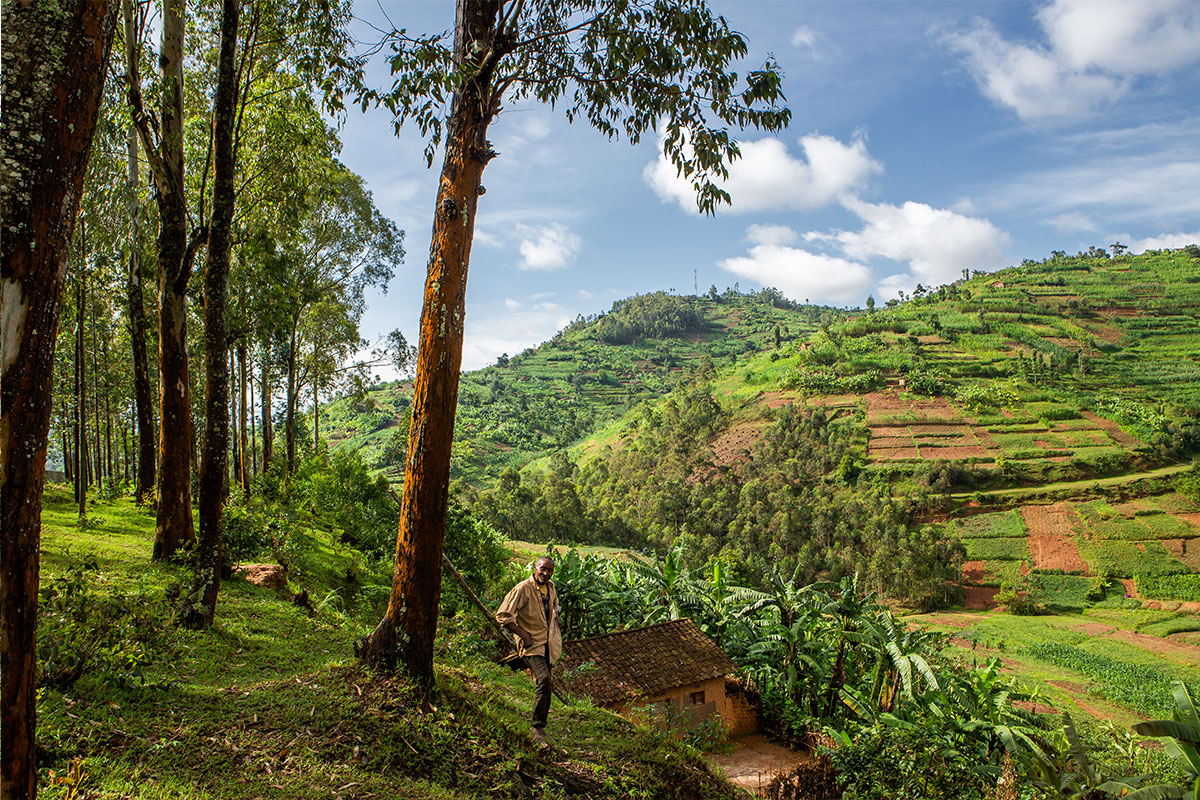
The post-genocide government identified reforestation as both an environmental and an economic priority from an early stage. Tree planting programs, community forestry incentives, and national reforestation targets became central to Rwanda’s green development strategy. The results over three decades of consistent investment are visible in the increased forest and agroforestry cover across Rwanda’s hillsides.
National Reforestation Programs
Rwanda’s National Reforestation Program established planting targets across all districts. Each district received specific reforestation obligations tied to available degraded land. Community groups and individual farmers participated in the program through incentive structures that provided seedlings, technical support, and in some cases direct payment for established trees. The program targeted both fast-growing timber species for economic value and native species for ecological restoration.
Umuganda, the monthly community workday, has been used systematically for tree planting activities. The last Saturday of each month across the country has contributed millions of planted trees over the program’s two decades of operation. The cumulative impact of monthly planting through Umuganda adds significant volume to the formal reforestation program numbers. This combination of formal program and civic participation has created a reforestation effort with unusual social depth.
The One Million Trees per District campaign mobilized community tree planting at a scale that could not be funded through government budget allocation alone. The campaign’s combination of political commitment, community mobilization, and technical support from the Rwanda Forestry Authority produced results that exceeded initial targets in several pilot districts. The campaign has been referenced as a practical model for community-scale tree planting in comparable post-conflict contexts.
Agroforestry Integration
Rwanda’s agricultural landscape has been transformed partly through agroforestry integration. Planting trees within and around agricultural plots provides shade for temperature-sensitive crops, reduces soil erosion on steep hillsides, and creates additional income from fruit and timber products. This integration has made tree planting economically rational for individual farming families in ways that pure conservation planting does not.
The Nyungwe Forest buffer zone has benefited from agroforestry programs that create a transitional landscape between the protected forest and the intensive agriculture immediately adjacent. This transitional zone reduces the pressure on the forest boundary. It provides habitat connectivity for forest species that need to move between the main forest and smaller patches. The buffer zone agroforestry program is one of Rwanda’s most important biodiversity conservation investments outside the formal park boundaries.
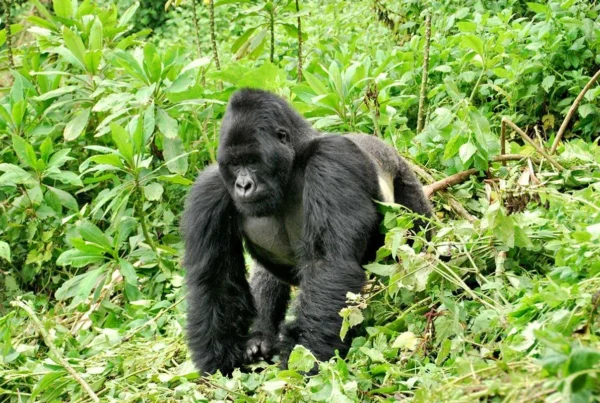
Bamboo cultivation has been promoted as both a reforestation tool and an economic crop for communities in the northern circuit around Volcanoes National Park. Bamboo grows rapidly, stabilizes steep hillsides effectively, and provides raw material for the craft and construction sectors. The golden monkeys of Volcanoes National Park depend on bamboo as their primary food source. Bamboo restoration in the park buffer zone directly benefits the primate population that drives Rwanda’s gorilla tourism economy.
Results and Ongoing Challenges
Rwanda’s total forest cover has increased measurably since the post-genocide low point. Government data and remote sensing analysis confirm the trend of increasing cover across the country. The rate of tree cover loss, which was severe in the 1990s, has slowed significantly. These results reflect the sustained investment in the reforestation programs. However, the full ecological recovery of native forest ecosystems requires generations rather than decades.
Population pressure on available land remains the primary ongoing challenge. Rwanda’s population density is one of the highest in Africa. The demand for agricultural land, fuel wood, and construction material continually competes with reforestation objectives. Balancing these competing demands requires continued policy commitment and community engagement. The reforestation gains achieved so far are real but not yet permanent without continued maintenance of the policy and program conditions that produced them.
Rwanda’s Green Landscape on Safari
The green hillsides that visitors photograph from every road and viewpoint in Rwanda are partly the result of three decades of reforestation effort. The country’s visible greenness is not simply natural abundance. It is also the product of deliberate environmental policy consistently applied. Understanding that context makes Rwanda’s landscape more meaningful than a beautiful backdrop alone.
African Wild Trekkers designs Rwanda safari itineraries through landscapes shaped by the country’s environmental recovery. Contact us to plan a Rwanda safari that includes the conservation and environmental story alongside the extraordinary wildlife experiences.