Rwanda Agritourism: Farm Visits, Tea Estates, and Agricultural Rwanda
Agriculture remains Rwanda’s largest economic sector and supports millions of people. Across the country, hillsides display carefully managed terraces and productive farms. This creates one of Africa’s most distinctive rural landscapes.
Rwanda agritourism allows visitors to experience the farming systems behind everyday products. Travelers can explore tea estates, coffee farms, and agricultural communities. These experiences create deeper connections with local livelihoods and traditions.
Rwanda focuses on authentic tourism experiences. Therefore, agritourism provides more than sightseeing. It helps visitors understand the people, crops, and practices that shape the country’s identity.
Tea Farm Visits
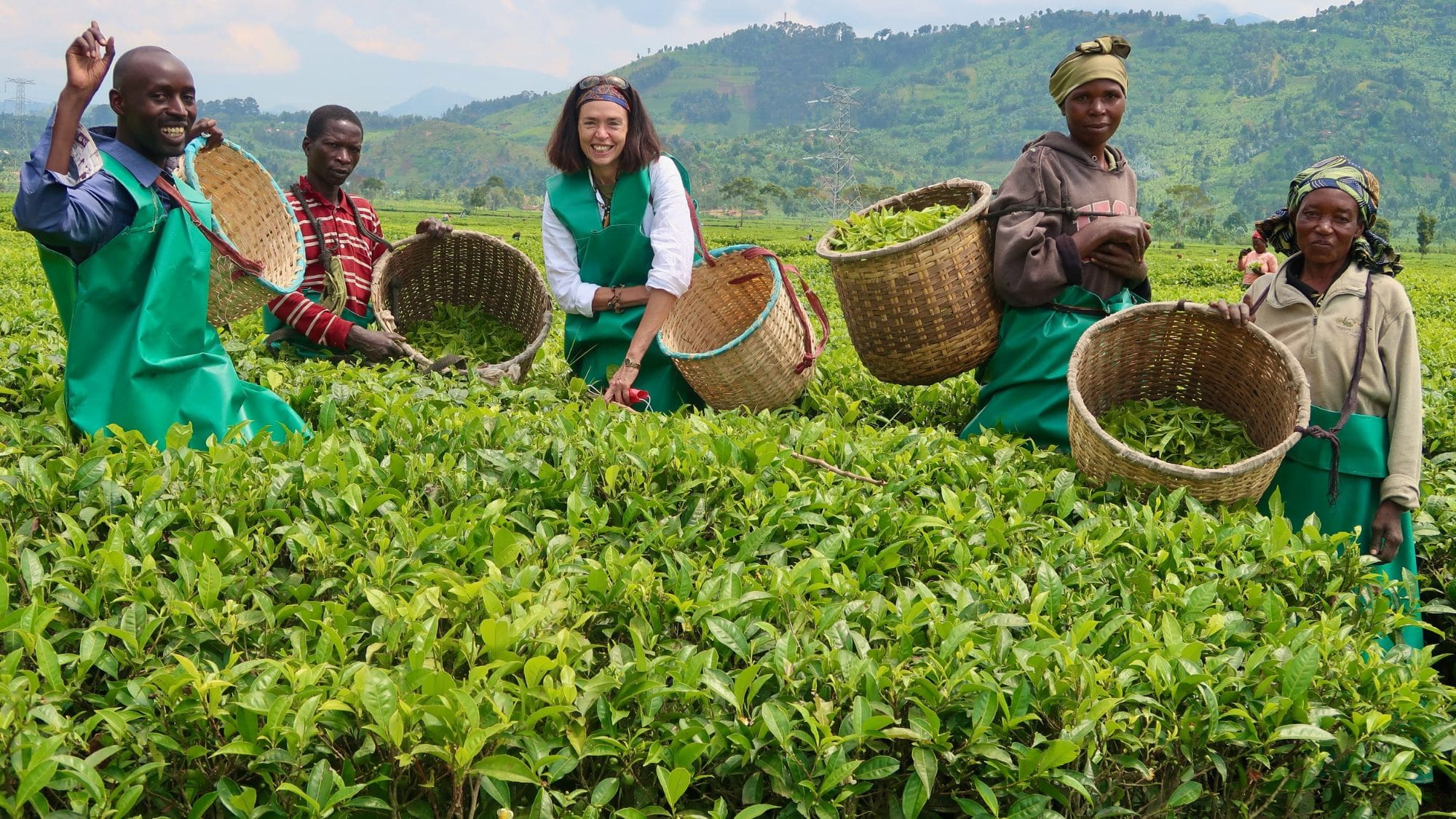
Rwanda’s tea estates offer some of the country’s most beautiful agricultural views. Green tea fields cover steep hillsides near Nyungwe Forest and across western Rwanda. The organized rows create dramatic patterns across the landscape.
Gisakura Tea Estate near Nyungwe and Sorwathe Estate near Kinihira welcome visitors. These estates offer guided tours through tea fields, factories, and tasting areas. As a result, visitors learn how Rwanda produces high-quality tea.
During a tea walk, guides explain the picking process. Workers select only the top leaves and buds from each plant. Visitors can also try picking tea themselves. Therefore, they quickly understand the skill behind every harvest.
Factory tours show the journey from fresh leaves to finished tea. Visitors learn about withering, rolling, oxidation, and drying. Additionally, tasting sessions allow guests to compare different tea varieties. Many estates also sell fresh products directly to visitors.
Coffee Farm and Cooperative Visits
Rwanda’s specialty coffee industry attracts visitors interested in farming and culture. Coffee washing stations and cooperatives welcome guests in several growing regions. These visits explain how farmers produce Rwanda’s famous coffee.
Popular experiences include Maraba Coffee Cooperative in Huye and coffee projects near Musanze. The western province near Lake Kivu also offers excellent coffee visits. These locations connect visitors with farmers and coffee producers.
The coffee harvest season runs from March to July. During this period, farms become especially active. Visitors can watch farmers collect coffee cherries and follow the processing stages. Therefore, harvest visits provide a more immersive experience.
Coffee homestays offer an even deeper connection. Guests stay with farming families and experience daily agricultural life. These programs show how coffee supports households and communities.
Other Agricultural Experiences
Rwanda’s banana farming plays an important role in local life. Bananas provide food, income, and ingredients for traditional drinks. Community tours often introduce visitors to banana gardens and local production methods.
Visitors can also explore agricultural experiences around the Musanze crater lakes. The volcanic soils support unique crops and farming traditions. For example, some tours highlight pyrethrum flowers, traditional sorghum, and high-altitude potato varieties.
These experiences reveal how Rwanda’s landscape influences agriculture. They also show how farmers adapt to different environments across the country.
Plan Your Rwanda Agritourism Experience
Agritourism works best when combined with Rwanda’s wildlife and cultural experiences. Tea visits pair well with Nyungwe Forest adventures. Coffee tours fit naturally into northern Rwanda itineraries near Musanze.
A farm visit can add meaningful cultural depth to a safari. It helps visitors understand the communities and landscapes beyond national parks.
African Wild Trekkers creates Rwanda safari itineraries that include agricultural and community experiences. We connect visitors with farms, cooperatives, and local traditions. Contact us to plan a Rwanda safari that explores both wildlife and the farming heritage behind the country’s landscapes.