Uganda Gorilla Trekking Packing List: Everything You Need for a Successful Trek
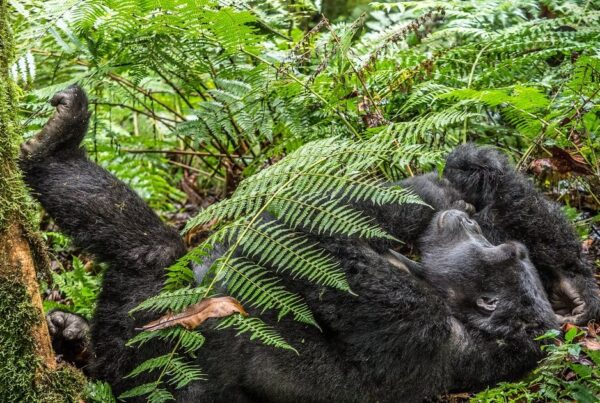
Packing well shapes your entire gorilla trekking experience in Uganda. The rainforest environment tests your comfort, endurance, and preparation from the first step to the final encounter. A complete gorilla trekking packing list Uganda helps you move easily through dense forest, stay protected from weather and insects, and focus fully on the rare moment of meeting mountain gorillas.
Why Packing Right Matters for Gorilla Trekking in Uganda
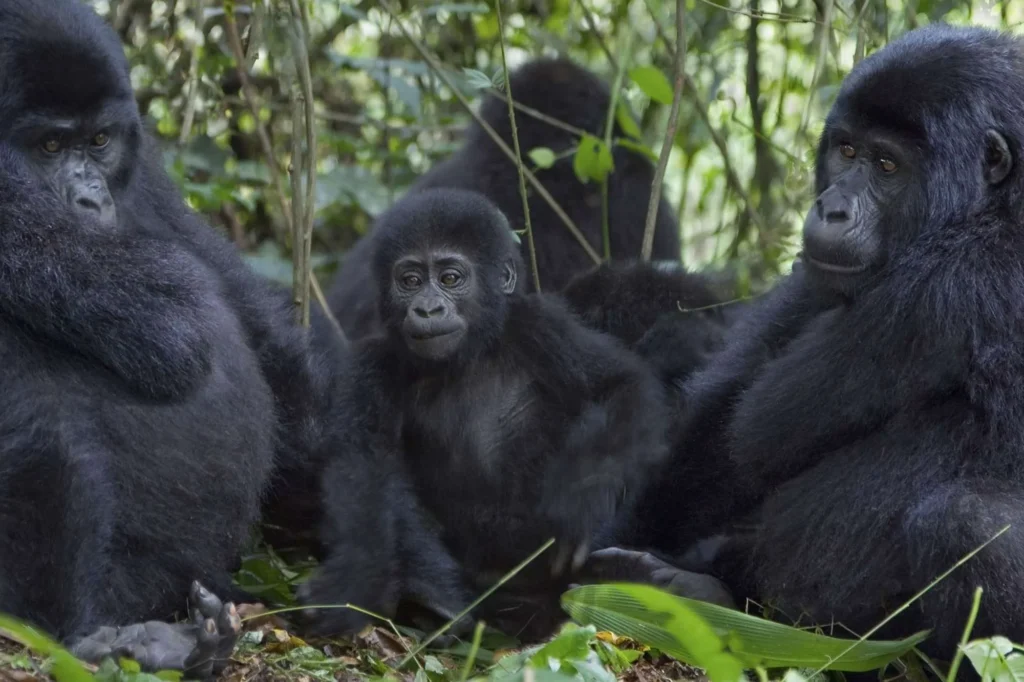
Gorilla trekking takes place in Bwindi Impenetrable National Park and Mgahinga Gorilla National Park, where terrain remains steep, thick, and often wet. Trails cut through vines, mud, and uneven ground, and conditions shift quickly within hours.
You may hike for several hours before reaching a gorilla family. During that time, your clothing, footwear, and gear determine how comfortable and safe you feel. Proper packing reduces fatigue, prevents injuries, and allows you to enjoy the trek instead of struggling through it. 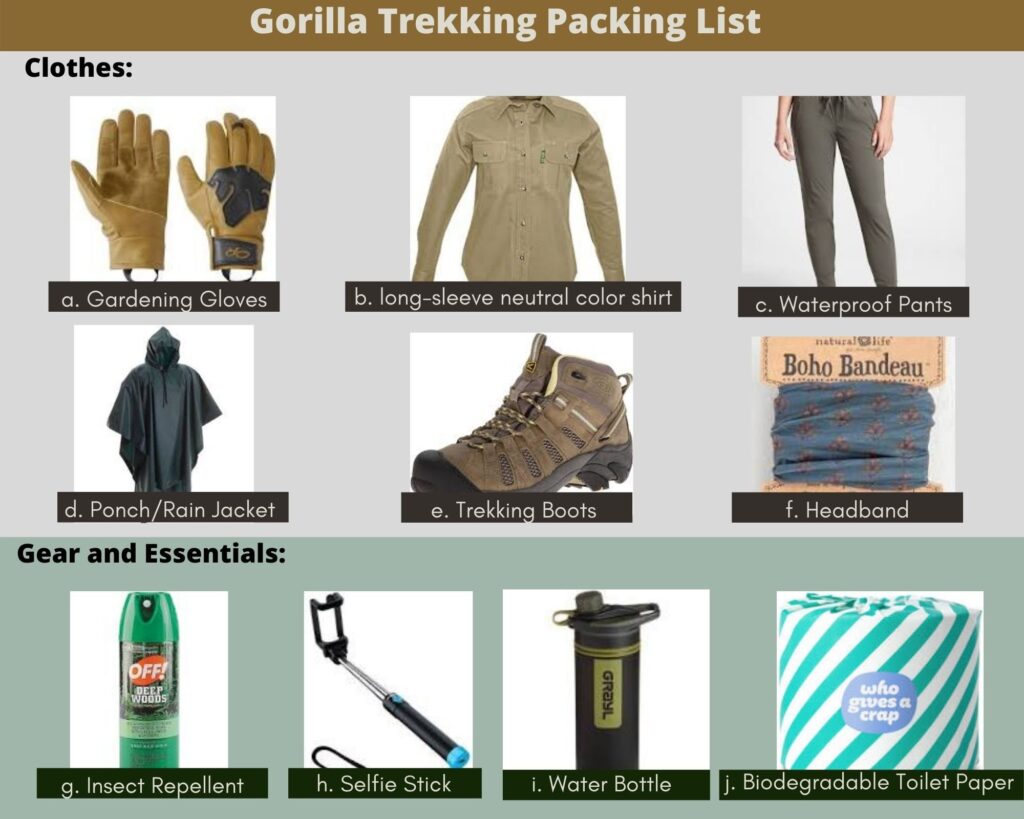
Essential Clothing for Gorilla Trekking in Uganda
Long-Sleeved Shirts and Trousers
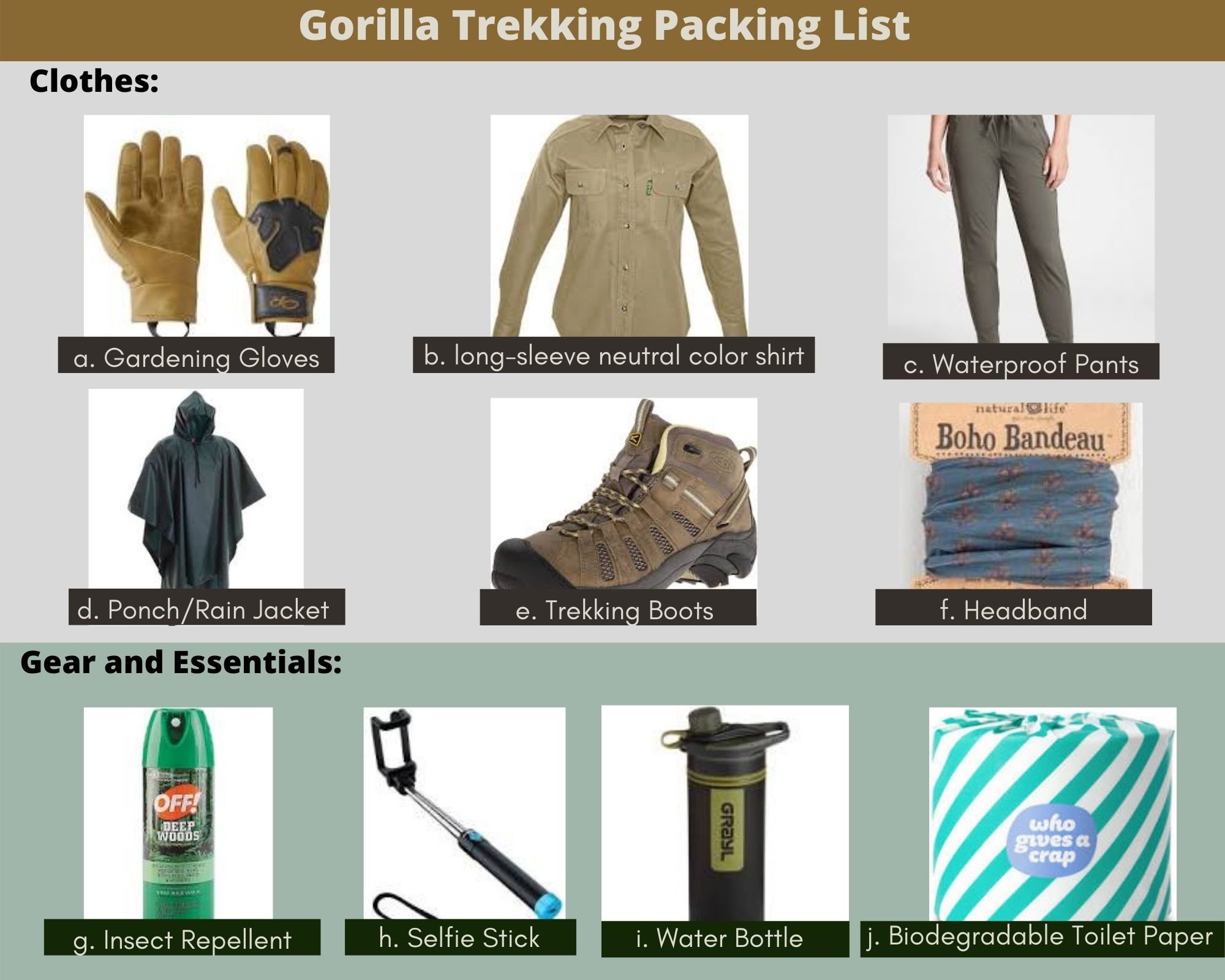
Choose breathable long-sleeved shirts and strong trekking trousers. Thick vegetation scratches exposed skin, and insects stay active throughout the forest. Long clothing creates a protective barrier while keeping you comfortable.
Neutral colors such as olive, brown, and khaki work best. These tones blend into the environment and avoid disturbing wildlife.
Waterproof Jacket
Rain can begin without warning, even during dry months. A lightweight waterproof jacket keeps your upper body dry and prevents discomfort during long hikes. Choose a jacket that folds easily into your backpack.
Hiking Boots with Strong Grip
Footwear plays a critical role in your trekking experience. Trails often become muddy and slippery, especially on steep slopes. Strong hiking boots with ankle support help you maintain balance and avoid injuries.
Wear your boots before the trip to soften them. New boots can cause blisters and slow your pace.
Gaiters
Gaiters add an extra layer of protection to your lower legs. They block mud, water, and insects from entering your boots. In dense forest areas, gaiters also protect against small stinging plants and crawling insects.
Gloves
You will often hold onto branches and vines while trekking. Gloves protect your hands from thorns, rough bark, and sharp vegetation. Simple gardening gloves work well and remain easy to pack.
Daypack Essentials for Gorilla Trekking Uganda
Backpack (20–30 Liters)
Carry a comfortable daypack that fits all your essentials without adding unnecessary weight. Look for padded straps and a design that distributes weight evenly across your back.
Drinking Water
Hydration remains critical throughout the trek. Carry at least 2 liters of water, especially in humid conditions where you lose fluids quickly. Dehydration can affect your energy and focus.
Packed Lunch and Snacks
Most lodges provide a packed lunch, but you should also carry small snacks. Energy bars, nuts, and fruits give quick boosts during long hikes. Eating small portions throughout the trek helps maintain your stamina.
Camera and Extra Batteries
Gorilla trekking creates unforgettable moments, and you will want to capture them clearly. Carry a reliable camera or smartphone with enough storage. Spare batteries ensure you do not miss key moments deep in the forest.
Waterproof Protection
Rain and moisture can damage electronics. Use a dry bag or waterproof pouch to protect your camera, phone, and documents. Even light rain can cause serious damage if items remain exposed.
Health and Safety Items to Pack
Insect Repellent
Mosquitoes and forest insects remain active throughout the trek. Apply insect repellent before entering the forest and reapply when needed. This helps prevent bites and reduces discomfort.
Sunscreen
Even under tree cover, sunlight still reaches your skin. Apply sunscreen before the trek, especially on exposed areas like your face and neck.
Personal Medication
Carry any required medication in your daypack. Include basic items such as pain relief, bandages, and antiseptic wipes. Immediate access to these items helps you handle small issues without interrupting the trek.
Hand Sanitizer and Wet Wipes
Hygiene becomes important when eating in the forest. Hand sanitizer allows you to clean your hands quickly, while wet wipes help you stay fresh during the trek.
Accessories That Improve Your Experience
Walking Stick
A walking stick improves balance on steep and uneven trails. Rangers usually provide one, but bringing your own ensures you use a familiar and comfortable option.
Hat and Sunglasses
A hat protects your head from both sun and light rain. Sunglasses help when walking through open areas before entering dense forest sections.
Binoculars
While trekking, you will encounter birds and other primates. Binoculars enhance your experience and allow you to enjoy more than just the gorillas.
Face Mask
Wearing a mask near gorillas remains mandatory. It protects them from human diseases and supports conservation efforts.
What Not to Pack for Gorilla Trekking Uganda
Heavy and Unnecessary Items
Avoid overpacking. Extra weight slows you down, increases fatigue, and makes steep climbs more difficult. Every item in your bag should serve a clear purpose during the trek.
Bright or Distracting Clothing
Bright colors draw attention and can disturb wildlife. Stick to natural tones that blend with the forest environment. This keeps the experience calm and respectful to the gorillas.
Strong Perfumes and Scented Products
Strong scents can irritate gorillas and other wildlife. Avoid perfumes, heavily scented lotions, or sprays. Keep your scent neutral to maintain a natural presence in the forest.
Valuable or Fragile Items
Leave expensive or unnecessary valuables at the lodge. The trek involves mud, moisture, and physical movement, which increases the risk of damage or loss.
Packing Tips for Gorilla Trekking Uganda
Focus on Function Over Quantity
Pack only what you will use during the trek. Each item should add value to your comfort, safety, or experience. A lighter bag allows you to move faster and conserve energy on steep terrain.
Organize Your Backpack Properly
Place frequently used items such as water, snacks, and insect repellent in easily accessible pockets. Store heavier items closer to your back to maintain balance while walking.
Protect Everything from Moisture
Rain and humidity remain constant in rainforest environments. Use waterproof covers, dry bags, or plastic liners inside your backpack. This keeps your clothing, electronics, and documents dry throughout the trek.
Prepare the Night Before
Early morning departures require quick movement. Pack your bag the night before and double-check all essentials. This avoids last-minute stress and ensures you start the day fully prepared.
Dress in Layers
Temperatures change throughout the trek. Start with light layers and adjust as you move. This keeps you comfortable without overheating or feeling cold.
Consider Hiring a Porter
Porters carry your backpack and assist on difficult sections of the trail. This allows you to focus on the trek and enjoy the experience without strain. Hiring a porter also supports local communities around the park.
Plan Your Gorilla Trekking Safari
Packing well transforms your gorilla trekking experience from challenging to rewarding. When you carry the right gear, you move confidently through the forest and fully enjoy the rare encounter with mountain gorillas.
Let us help you plan a seamless and rewarding gorilla trekking experience in Uganda, or book with us.