Night Kayaking Lake Kivu: Rwanda’s Most Unique Water Experience
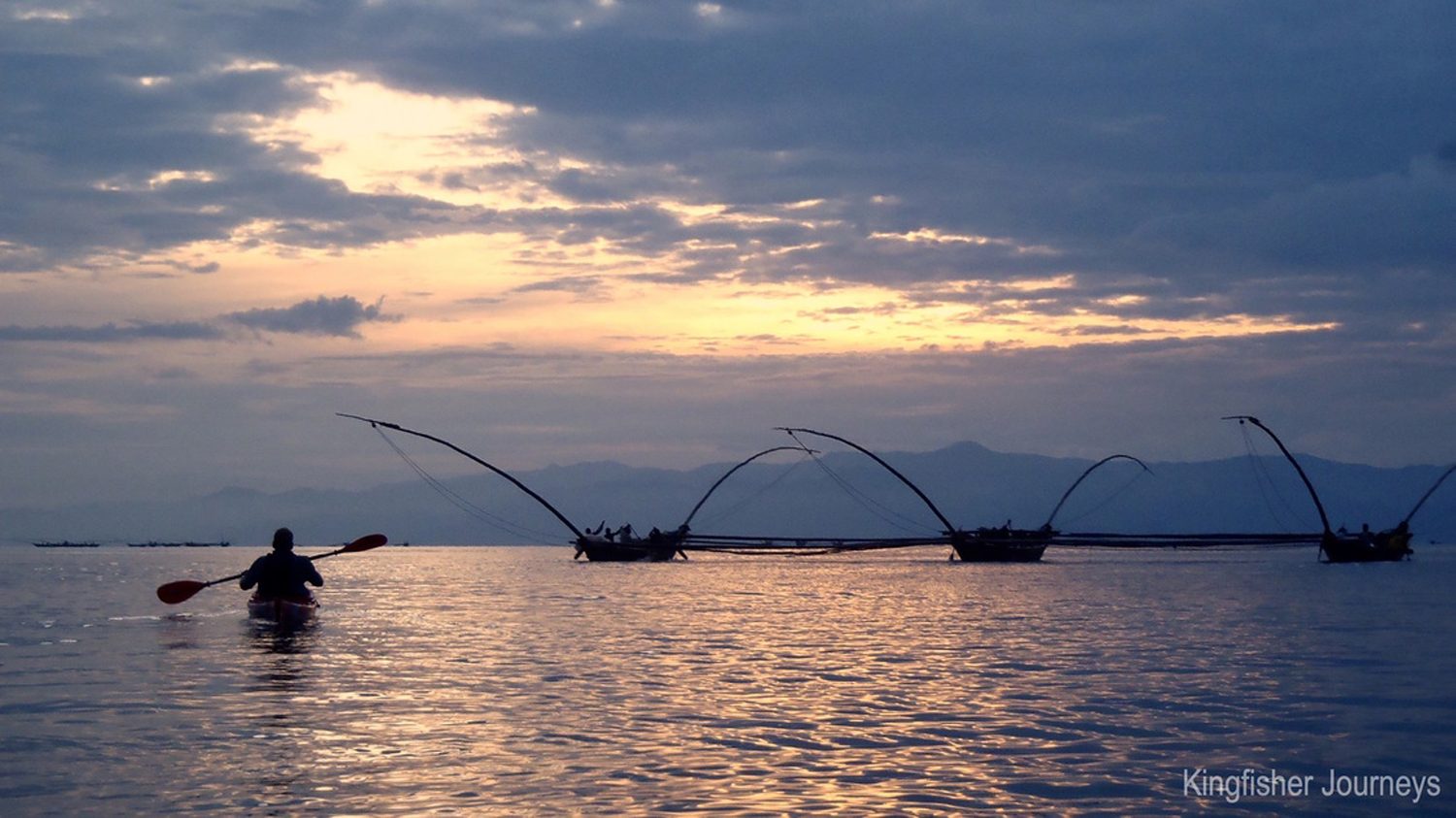
Night kayaking Lake Kivu rewards adventurous travelers with one of Rwanda’s most atmospheric experiences. The lake stretches 90 kilometers along Rwanda’s western border, and its calm volcanic waters glow with bioluminescence on clear nights. You paddle beneath a vast African sky, surrounded by silence broken only by your oar and the distant sounds of lakeside villages. African Wild Trekkers builds this activity into Rwanda itineraries for travelers who want more than gorilla trekking alone.
Why Lake Kivu Is Perfect for Night Kayaking
Calm Volcanic Waters
Lake Kivu sits at 1,460 meters above sea level inside the Albertine Rift Valley, and its depth and volcanic basin create exceptionally calm surface conditions. Wind patterns die down after sunset, which makes the lake glassy and easy to paddle even for beginners. The surrounding highlands shelter the water from strong gusts that would disrupt a night excursion. Most operators describe conditions as near-ideal between June and September and again in December and January. You gain confidence quickly once you discover how steady the kayak feels on this naturally sheltered body of water.
Bioluminescence and Stargazing
Lake Kivu hosts micro-organisms that emit faint blue-green light when disturbed, and this bioluminescence transforms your paddle strokes into streaks of glowing water. New moon nights deliver the strongest effect, so plan your kayaking session around the lunar calendar if bioluminescence is your priority. Rwanda’s low light pollution on the western frontier means the Milky Way stretches clearly overhead from mid-lake positions. Your guide will stop paddling at the deepest point to let you drift and absorb the full sky view. The combination of glowing water below and stars above makes this one of the most visually striking activities available in East Africa.
Safety and Guide Requirements
Reputable operators always assign at least one trained guide per four paddlers, and every participant receives a fitted life jacket before launching. Guides carry waterproof torches, a first aid kit, and a communication device throughout the excursion. Lake Kivu’s methane and carbon dioxide content sits in the deep layers far below the surface, and paddlers on the upper water face no gas exposure risk whatsoever. The primary safety concern is navigating past fishing canoes, and your guide handles this by keeping to agreed corridors. Travelers with no kayaking experience complete these sessions without difficulty because guides provide thorough briefings before departure.
Best Launch Points for Night Kayaking
Rubavu (Gisenyi) Town Beaches
Rubavu offers the most accessible launch points, with several established operators running organized night paddles from the town beach area. The shoreline here sits close to hotels and restaurants, so you can return to a warm meal within minutes of docking. Rubavu also benefits from clean, well-maintained kayak fleets because the town attracts a higher volume of tourism than more remote stretches. Most organized excursions from Rubavu last between 90 minutes and two hours, covering enough open water to experience bioluminescence while staying within safe distance of shore. African Wild Trekkers partners with vetted Rubavu operators to give clients a safe, memorable session.
Kibuye (Karongi) Peninsula
Karongi sits midway along the lake’s Rwandan shoreline and delivers a quieter, more remote paddling environment than Rubavu. The peninsula geography here creates natural coves that concentrate bioluminescent organisms, and guides who know these coves deliver noticeably stronger light shows than open-water excursions. Karongi works especially well as an add-on to a Nyungwe Forest visit because the two destinations sit within two hours of each other. The hotels along the Karongi waterfront operate their own kayak programs, and advance booking through your safari operator ensures availability on the dates you need. This location suits travelers who want the lake experience without the busier Rubavu atmosphere.
Rusizi District and Southern Shores
The southern portion of Lake Kivu near Rusizi District remains largely undiscovered by mainstream tourism, which means paddlers here encounter almost no boat traffic and enjoy pristine dark skies. Local guides operate small-group kayak excursions from community-run facilities, and fees collected support shoreline conservation programs. The terrain around the southern shores features papyrus beds and small inlets that harbor hippos, so guides take a specific route that avoids these areas entirely after dark. This stretch of the lake rewards travelers who prioritize exclusivity and authentic community-run experiences over convenience. African Wild Trekkers can incorporate a southern-shores session into customized western Rwanda itineraries on request.
What to Bring on Your Night Kayak
Clothing and Footwear
Temperatures at Lake Kivu drop noticeably after sunset because the lake sits at altitude, so you need a lightweight fleece or windproof jacket even during the dry season. Synthetic or quick-dry fabrics work far better than cotton because spray from your paddle will dampen your sleeves and lap during the session. Closed-toe water shoes or sports sandals with heel straps give you grip on wet dock surfaces and stay secure inside the kayak cockpit. Avoid flip-flops and open sandals because they slip off easily when boarding. Pack a change of dry clothes to put on immediately after docking so you stay comfortable during the drive back to your lodge.
Waterproofing Your Valuables
Your operator provides dry bags for small valuables, but you should bring your own waterproof phone case if you want to capture photographs during the session. Camera lenses attract moisture in the cool lake air, so lens cloths and a sealed pouch protect your gear throughout the paddle. Leave bulky camera bodies at your lodge and rely on a compact waterproof camera or a modern smartphone for night shots. Avoid bringing wallets, passports, or large amounts of cash onto the water. A small headtorch stored in a dry bag proves genuinely useful for the walk back to the vehicle after you dock.
Physical Preparation
Night kayaking on Lake Kivu demands very little athletic ability because guides match the pace to the slowest paddler and the water remains calm. Travelers recovering from gorilla treks appreciate that this activity stretches upper body muscles gently without stressing the knees or lungs. Mild motion sensitivity rarely becomes an issue on the lake’s still surface, but if you have strong motion sickness you should paddle in the smaller coves rather than the open middle section. Staying well-hydrated before your evening session helps because altitude and cool air can mask how much fluid your body loses during moderate paddling. Guides always carry drinking water for participants who need a top-up during the excursion.
Plan Your Safari
Book Your Lake Kivu Night Kayak
African Wild Trekkers arranges night kayaking on Lake Kivu as a standalone activity or as part of a wider Rwanda itinerary. Contact us at africanwildtrekkers.com/contact to check availability and confirm launch points for your travel dates.
What Your Package Covers
Your Lake Kivu kayak booking includes a trained guide, life jacket, dry bag, and return transfer from your Rubavu or Karongi lodge. Multi-day Rwanda packages combine this activity with gorilla trekking, Nyungwe canopy walks, and Kigali city visits.
Request Your Custom Rwanda Itinerary
Tell us your dates and interests and we will build a personalized Rwanda safari around your priorities. We respond to all inquiries within 24 hours at africanwildtrekkers.com/contact.