Walking Safari Kenya: A Complete Guide to Guided Bush Walks
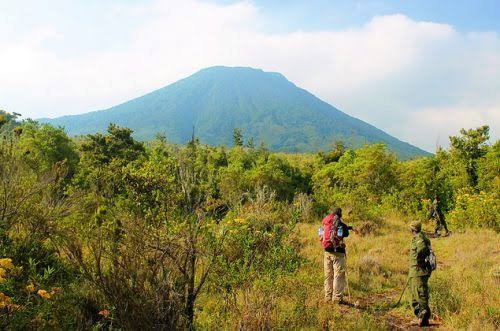
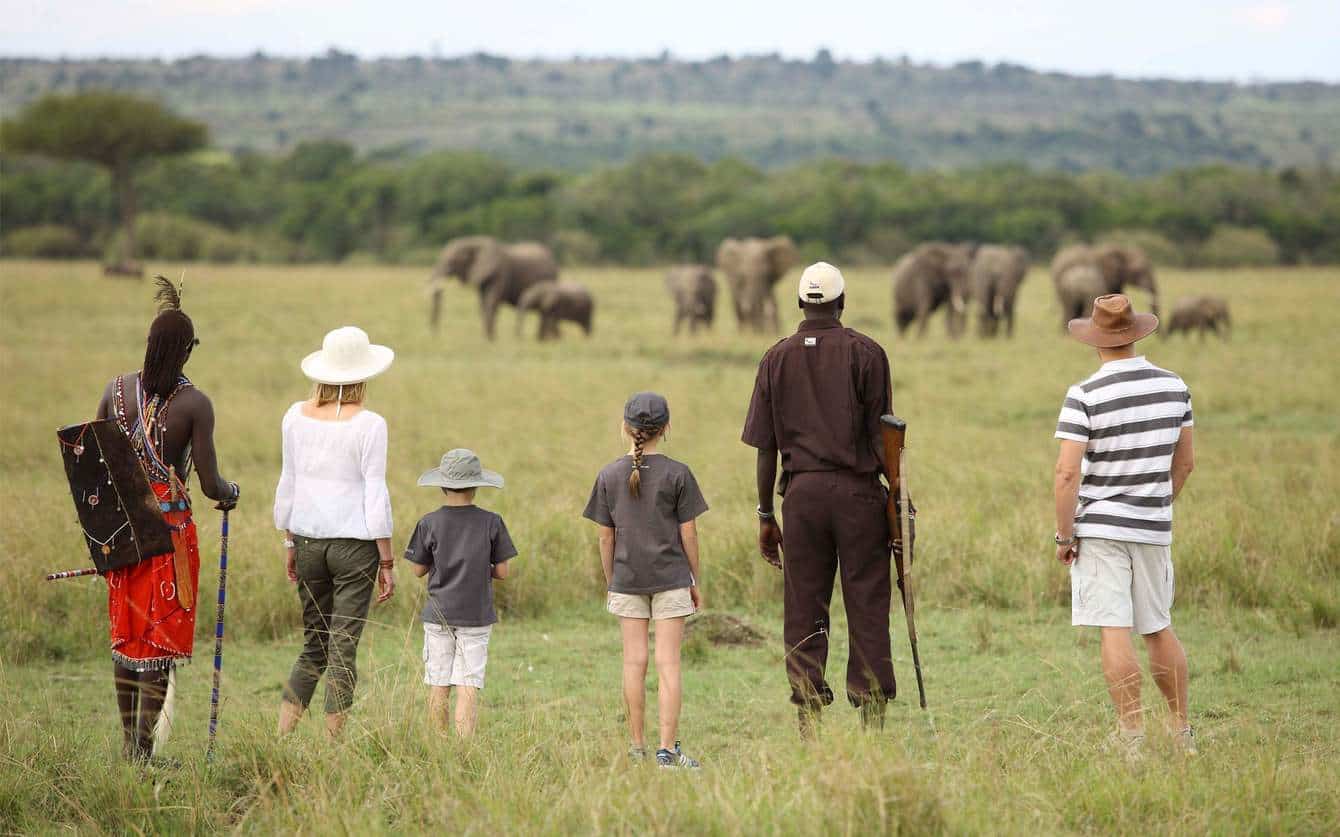
A walking safari Kenya experience transforms the game drive’s passive observation into active participation — trading the vehicle’s windshield frame and motorized silence for the immediate physical reality of African bush at ground level, where animal tracks in the dust, bird calls from the acacia canopy, and the scent of elephant proximity communicate information that the most expensive game drive vehicle cannot transmit through glass and steel. Walking safaris in Kenya are guided exclusively by armed rangers or professional guides certified for the specific activity — no self-guided walking in wildlife areas is permitted — and the lead guide’s behavioral briefing before departure, wildlife reading during the walk, and positioning decisions throughout the activity create a completely different relationship between traveler and environment from the vehicle-based format. The best walking safari Kenya destinations include the private conservancies of the Maasai Mara ecosystem, the Laikipia Plateau’s conservancy network, Samburu’s riverine areas, and Tsavo West’s volcanic terrain — each providing a different physical environment and wildlife encounter profile that reflects the specific landscape character of each region. African Wild Trekkers incorporates walking safaris into Kenya itineraries as half-day complementary activities alongside the standard vehicle game drives, matching specific walking safari destinations to clients whose physical fitness, wildlife interest, and time availability suit the activity’s requirements.
What to Expect on a Guided Bush Walk
The Pre-Walk Safety Briefing
Every Kenya walking safari begins with a compulsory safety briefing from the lead armed ranger — a 10 to 15 minute session that covers the correct behavior when encountering different dangerous wildlife species, the hand signals the guide uses to communicate silently during the walk, the correct group formation for single-file movement through dense vegetation, and the specific prohibited actions (running, sudden loud noise, and separation from the group) that create risk in wildlife areas. The elephant encounter briefing is the most important component — if the guide signals a freeze and crouches, the group immediately does the same without question, because an elephant that detects a stationary group crouched in low scrub will sometimes walk past without charging, while a standing group that triggers a defensive response from a surprised elephant creates a genuine emergency. Lion encounter protocol involves maintaining the group as a single large visual unit rather than allowing individuals to scatter — a group of six people standing close together looks significantly larger than each person would separately, and the lion’s size assessment typically leads to a non-aggressive departure rather than an approach when the group presents itself as a combined target rather than multiple smaller targets. The guide’s authority during the walking safari is absolute and must be followed without hesitation — this is not an opportunity for independent decision-making or photography at moments when the guide’s attention is focused on wildlife management.
The rifle carried by the armed ranger on a Kenya walking safari is a last-resort safety tool rather than a first response to wildlife contact — professional rangers complete months of field assessment before receiving their armed escort certification, and the training emphasizes non-violent wildlife management (positioning, voice commands, and group movement to avoid conflict) as the primary skill set rather than shooting. In twenty years of Kenya walking safari operation at professional lodge standards, rifle use is exceedingly rare — the vast majority of walking safari wildlife encounters involve brief visual contact at safe distances that the guide manages by maintaining appropriate spacing and directing the group away from the animal’s comfort zone. The walking safari’s risk profile is genuinely higher than a vehicle game drive — you are on foot in an environment with elephants, buffalo, and occasionally lion — but the professional guide’s training and the briefing’s behavioral guidelines manage that risk to a level that thousands of walking safari clients complete annually without incident. Understanding the risk as real but professionally managed, rather than either dismissing it or being paralyzed by it, is the mental orientation that produces the most rewarding walking safari experience.
Wildlife Encounters During Bush Walks
The wildlife experience on a Kenya walking safari differs from the vehicle game drive in both the species emphasis and the encounter quality for those species observed. Large, dangerous species — elephant, buffalo, and lion — are encountered differently on foot: the guide positions the group for safe observation rather than close approach, distances are larger than vehicle approaches allow, and the emotional intensity of the encounter is significantly higher because the protective vehicle body is absent. Smaller species that vehicle game drives overlook or pass quickly become the walking safari’s most rewarding subjects — the dung beetle working across the path, the chameleon that the guide’s trained eye detects in the acacia’s lowest branch, the elephant shrew darting from cover across the path, and the giant stick insect that matches its twig host so perfectly that only the guide’s botanical knowledge of which twigs are actually present in that specific acacia species reveals the insect’s disguise. The guide’s ability to read animal tracks, identify scat, and interpret the botanical landscape creates a continuous narrative during the walk that the vehicle game drive’s focus on visible large mammals cannot match for environmental depth and detail.
Tree and plant identification is one of the walking safari’s most educational and underappreciated dimensions — the guide who can identify Kenya’s acacia species by leaf shape, thorn structure, and bark pattern, explain their ecological relationship to the animals whose feeding habits shaped them, and demonstrate the uses that Maasai, Samburu, and other communities make of different bark, root, and leaf preparations provides a botanical education that changes how the traveler observes the same landscape from the vehicle game drive afterward. The Maasai’s use of the sausage tree (Kigelia africana) for skin conditioning, the commiphora tree’s resin as incense, and the sap of specific aloe species as wound treatment connect the bush walk to the cultural knowledge systems that indigenous communities accumulated through millennia of landscape interaction. African Wild Trekkers guides who lead walking safaris in Maasai Mara conservancies integrate the Maasai ecological knowledge of specific plants and trees into the botanical interpretation that makes the Kenya walking safari more than a tracking exercise in wildlife footprints.
Best Kenya Destinations for Walking Safaris
Laikipia Conservancies and Ol Pejeta
Laikipia’s private conservancies produce Kenya’s most diverse and rewarding walking safari experiences because the terrain variety — open grassland, rocky hillside, seasonal riverine forest, and acacia scrubland — creates habitat transitions that yield different wildlife and plant communities within a single two-hour walk. Ol Pejeta Conservancy’s guided walks combine the tracking of black and white rhino with the botanical identification of the conservancy’s specific plant species assemblage, and the chance of encountering lion, cheetah, or African wild dog on foot in Ol Pejeta creates a walking safari intensity that the primarily botanical and tracking walks at some other destinations do not match. Ol Malo Lodge in Laikipia offers one of Kenya’s most celebrated walking safari experiences — long half-day walks through the conservancy’s semi-arid terrain with a Laikipia-specialist guide whose family has worked this landscape for generations, combining wildlife tracking with cultural heritage interpretation that makes the walk inseparable from the specific place it traverses. The Laikipia bush walk’s physical demand is moderate — the terrain involves some rocky scrambling and extended flat-ground walking in midday heat — and the physical exertion creates the bodily immersion in the landscape that makes the Laikipia walking safari memory significantly more visceral than vehicle-based wildlife viewing at the same destinations.
The Samburu riverine woodland walking safari follows the Ewaso Ng’iro River bank through the fig trees, sausage trees, and commiphora scrub where leopard, elephant, crocodile, and the riverfront bird assemblage create a wildlife density per kilometer of walk that open-country walking safaris cannot match. Samburu’s walking safari format involves a Samburu warrior ranger leading the group through his ancestral landscape — an encounter with cultural geography as much as natural history, since every tree, rock, and water source along the Ewaso Ng’iro carries a Samburu name and a community knowledge context that the ranger shares during the walk. Elephant encounters at Samburu’s river bank walking safari are the format’s highest wildlife intensity moments — the thick riverine vegetation reduces visibility to 20 to 30 meters, and elephants moving through the dense vegetation can appear suddenly at that distance in a way that open-country encounters never approach. The ranger’s immediate reading of elephant posture (ears forward and extended means alert and potentially defensive; ears back and relaxed means undisturbed) and the group’s immediate response to the guide’s signal create the cooperative wildlife management experience that makes the guided bush walk a genuinely collaborative activity between guide expertise and client discipline.
Maasai Mara Conservancy Bush Walks
Maasai Mara private conservancies allow walking safaris within the conservancy’s non-motorized zones in areas not routinely used by game drive vehicles — a critical distinction that creates wilderness conditions unavailable anywhere within the vehicle-access game drive network. Walking in a conservancy area that no vehicle enters during the same morning means wildlife has not been disturbed by engine noise or exhaust, and the behavioral observations possible during a bush walk — animals unaware of human presence at close range, displaying natural behaviors without the habituation response that vehicle-frequented sightings trigger — represent a wildlife quality category that even the best private vehicle sighting in the main reserve cannot replicate. The Mara bush walk’s most commonly encountered wildlife includes giraffe herds, zebra family groups, warthog family units, and the smaller predator species — serval cat, caracal, and bat-eared fox — that vehicle game drives rarely encounter at the close range that a silent, upwind foot approach creates. The lion encounter on a Mara bush walk — which occurs less frequently than vehicle game drive sightings precisely because the walk avoids the areas where radio-networked vehicles converge on predator sightings — is among Kenya’s most intense and memorable wildlife moments when it occurs.
Camp-based evening walking safaris — short 45-minute guided walks around the camp perimeter at dusk when nocturnal species begin moving between the camp’s water source and the surrounding scrub — provide an accessible introduction to the walking safari format for guests who feel uncertain about committing to a full two-hour bush walk on their first Kenya safari morning. The evening camp walk typically produces chameleons, bush babies in the acacia trees at torchlight, galagos calling from the riverine forest, and the characteristic eye-shine of various nocturnal mammals and spiders visible from a safe camp distance. African Wild Trekkers confirms which specific Maasai Mara camps offer genuine walking safari access within their conservancy rather than the short camp perimeter stroll that some properties describe as a “bush walk” but that delivers the wildlife intensity of a hotel garden rather than a genuine wilderness encounter.
Plan Your Safari
Walking safari Kenya experiences are best confirmed at booking alongside the standard vehicle game drive components — specific walking safari rangers need advance scheduling, and the conservancy zones where genuine bush walks occur may have daily participant limits that fill when multiple camp groups want the same morning. African Wild Trekkers confirms walking safari availability and guide assignment for all clients who include bush walks in their Kenya itinerary.
Your Kenya walking safari package includes conservancy or lodge accommodation adjacent to the walking safari zone, armed ranger-led bush walk included in the conservancy fee, vehicle game drives for the wildlife-intensive morning and afternoon sessions, full-board meals, and all national park and conservancy fees. We confirm the specific guide’s walking safari experience level for every client booking.
Contact African Wild Trekkers at africanwildtrekkers.com/contact with your travel dates and physical fitness level and we will recommend the right walking safari destination and confirm availability within 24 hours.