Mountain Gorilla Facts 2026: Everything You Need to Know Before Your Trek
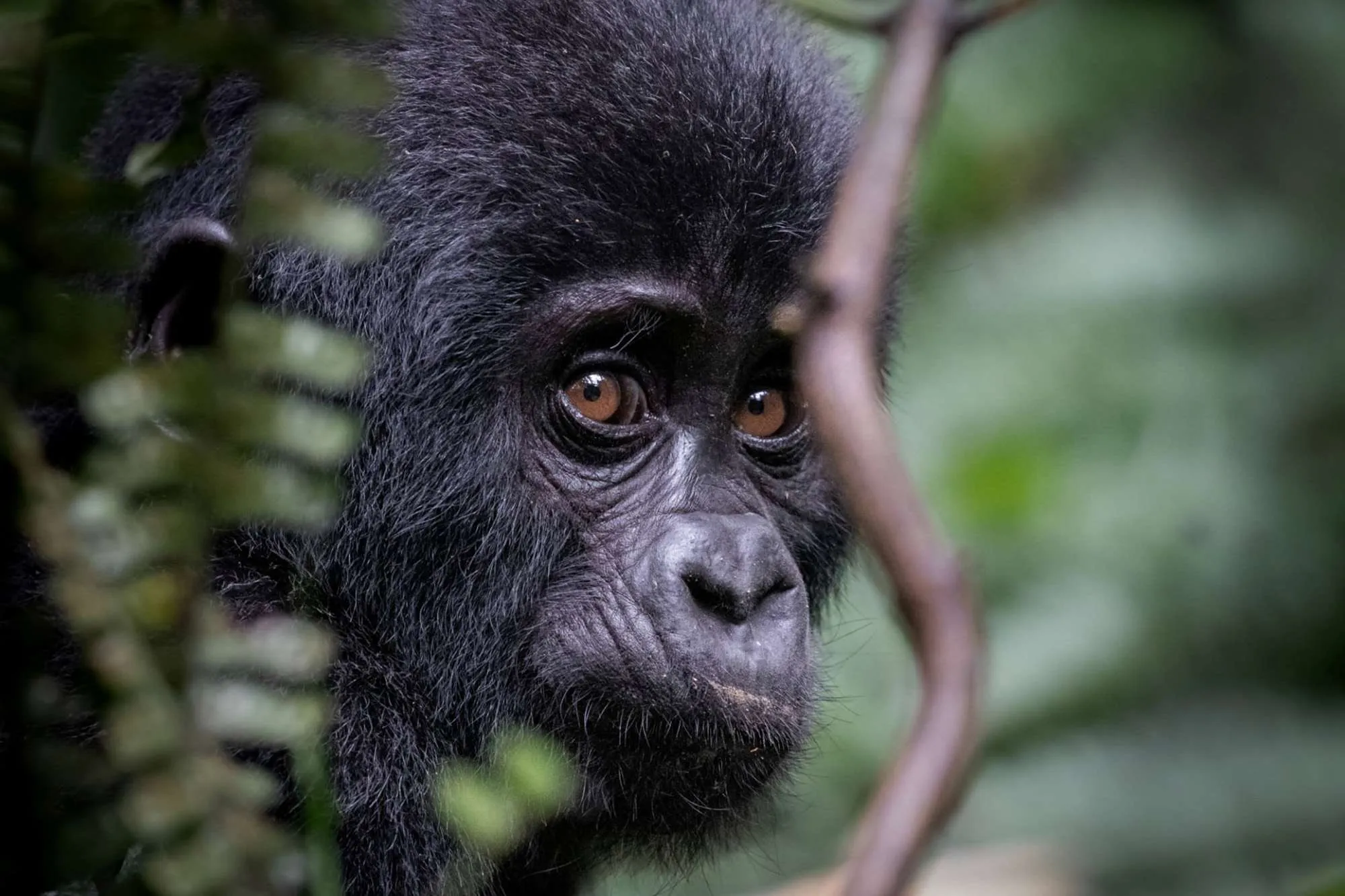
Mountain gorilla facts 2026 show a population that reached a historic milestone — more than 1,000 individuals confirmed living in the wild across the Virunga massif and Bwindi Impenetrable Forest — making the mountain gorilla the only great ape subspecies whose population is increasing rather than declining. This remarkable achievement came from decades of coordinated conservation investment, law enforcement, veterinary intervention, and the tourism revenue model that transformed gorilla protection from a charity cost into a self-funding economic system. Understanding the current facts about mountain gorillas before your Rwanda trek enriches every minute of your 60-minute encounter with the habituated family and gives the experience a scientific and conservation depth that casual tourists miss. African Wild Trekkers shares these facts with every client before departure because knowledge transforms a powerful wildlife encounter into a genuinely meaningful one.
Population and Distribution
Current Population Numbers
The 2018 census confirmed 1,004 mountain gorillas living in the wild — the first time the species crossed the 1,000 individual threshold since formal counting began in the 1970s when the population stood at approximately 240. This recovery represents a more than fourfold increase across roughly five decades of intensive conservation effort, and the trend continues upward based on annual ranger monitoring data that tracks birth and mortality rates for each habituated family. The Virunga Massif shared between Rwanda, Uganda, and the Democratic Republic of Congo holds approximately 600 individuals, while Bwindi Impenetrable Forest in Uganda holds the remaining 400. Rwanda’s Volcanoes National Park contains approximately 30 percent of the total Virunga population within its boundaries, making it one of the most critical single sites for the species’ continued recovery. By 2026, population estimates based on monitoring data suggest the total has grown further beyond the 2018 census baseline.
Why Mountain Gorillas Cannot Be Kept in Captivity
Mountain gorillas have never been successfully maintained in captivity because they require the specific dietary diversity, altitude conditions, and social structures of the Afromontane forest ecosystem in a way that no zoo or sanctuary can replicate. Every captive mountain gorilla that zoos attempted to maintain in the 20th century died within months from respiratory disease, stress, or dietary deficiency, and the failures established that the species’ survival depends entirely on protecting the specific wild habitat it evolved in. This biological reality makes every wild individual irreplaceable — there is no captive population to draw from for reintroduction, no zoo breeding program to supplement wild numbers, and no option for ex-situ conservation that works for this particular species. The mountain gorilla’s dependence on intact Afromontane forest habitat also means that forest degradation, climate change affecting the bamboo cycle, and human settlement pressure on park boundaries represent existential threats with no technological solution other than habitat protection and population security.
Behavior and Social Structure
Daily Life in a Gorilla Family Group
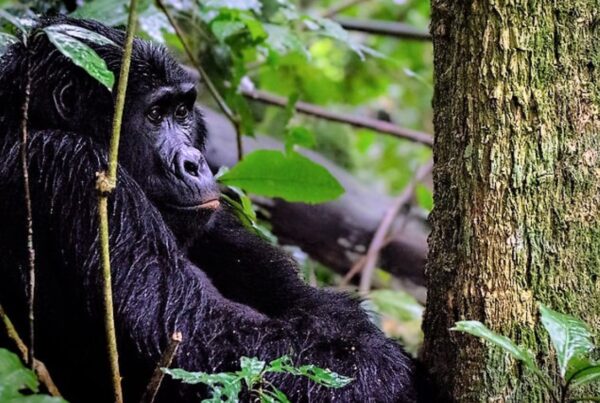
Mountain gorillas spend approximately 30 percent of their waking hours feeding and the remaining time travelling between food sources, resting, and engaging in social behaviors that include grooming, play, and conflict resolution within the group. A typical family group contains one dominant silverback, several adult females, their offspring of various ages, and occasionally one or more subordinate blackback males — sub-adult males who have not yet reached full sexual maturity. The silverback leads the group’s daily movement from sleeping nest to feeding area, determines the ranging route, and mediates all significant social conflicts within the family. Each gorilla builds a fresh sleeping nest every night from bent vegetation, and the location of these nests provides rangers with the precise starting point for the next morning’s tracking. Mountain gorillas build nests at ground level more frequently than the tree nests associated with chimpanzees and orangutans because their size and the density of Afromontane forest vegetation make ground sleeping equally protective and considerably more practical.
Diet and Feeding Ecology
Mountain gorillas consume primarily plant material — leaves, stems, bark, roots, and fruit when seasonally available — in a diet that requires enormous daily intake volumes to meet the caloric needs of a 200-kilogram adult male. Adults spend several hours each morning feeding systematically through a patch of vegetation, consuming 18 to 20 kilograms of plant matter per day before resting during the midday heat. The bamboo zone at the base of the Virunga volcanoes provides a particularly calorie-dense food source during the annual bamboo shoot season between April and June, and gorilla families adjust their ranging patterns to access bamboo zones during this period. Thistles, wild celery, bedstraw, and nettles form the bulk of the diet in non-bamboo periods, and the ability to consume thistles and nettles that most mammals avoid gives mountain gorillas access to plant biomass that competing herbivores cannot use. Understanding this feeding ecology explains why encounters often find the family spread across a hillside systematically harvesting vegetation — the foraging behavior you observe directly reflects the ecological strategy that maintains the species’ food security in a montane habitat.
Communication and Intelligence
Mountain gorillas communicate through a sophisticated repertoire of vocalizations, facial expressions, and physical gestures that researchers have documented over decades of close behavioral observation at Karisoke and similar research sites. Purring and belching vocalizations indicate contentment during feeding and resting, while hoot sequences escalate through increasing intensity to signal varying levels of threat assessment from curiosity to alarm. The silverback’s chest beat communicates dominance and territorial claim, as described in detail elsewhere, but females and juveniles also produce their own distinct vocal signatures for communication between family members across short distances in dense vegetation. Gorillas demonstrate tool use, problem-solving, and complex emotional responses including apparent grief at the death of family members — behaviors that reflect the cognitive sophistication expected from an animal sharing 98.3 percent of human DNA. Spending 60 minutes in active observation of a habituated family provides enough behavioral data to recognize individuals, understand their social relationships, and appreciate the cognitive complexity operating in every interaction you witness.
Threats and Conservation Challenges
Ongoing Threats to Mountain Gorilla Survival
Despite the population recovery success, mountain gorillas face ongoing threats that require sustained vigilance from conservation programs operating at political and ecological scales that tourism alone cannot address. Habitat loss from agricultural expansion continues pressuring park boundaries, particularly in the DRC where national park infrastructure weakened during decades of civil conflict that periodically disrupts Virunga Conservation Area governance. Human-transmitted respiratory diseases pose a recurring mortality risk because mountain gorillas’ biological similarity to humans makes them susceptible to common cold viruses, influenza, and more serious respiratory infections that spread through prolonged close contact — the reason all gorilla trekking rules enforce seven-meter minimum distances and sick-day restrictions. Climate change affects the bamboo shoot season timing and the elevation distribution of bamboo zones, potentially reducing this critical dietary resource as temperatures warm and alter the highland ecosystem. Political instability in the DRC section of the Virunga range periodically forces ranger evacuations and creates poaching vulnerability windows that Rwanda’s strongly managed portion cannot compensate for on its own.
Plan Your Safari
See Mountain Gorillas in Rwanda
African Wild Trekkers arranges mountain gorilla trekking in Volcanoes National Park with all permits, transfers, guides, and accommodation managed from our Rwanda base. Contact us at africanwildtrekkers.com/contact to book your trek.
What Your Package Covers
Your gorilla trekking package includes the $1,500 Rwanda Development Board permit, private 4×4 transfer, porter hire, knowledgeable guide, and accommodation near Volcanoes National Park at your preferred lodge tier.
Request Your Rwanda Gorilla Trek Quote
Share your travel dates and accommodation preferences and we will send a fully priced Rwanda gorilla trekking package within 24 hours. Reach us at africanwildtrekkers.com/contact.