Best Time to Visit Maasai Mara: A Month-by-Month Guide to Kenya’s Top Safari Park
The best time visit Maasai Mara depends entirely on what you want to see, and each month offers a genuinely different wildlife experience rather than a simple scale from good to best. Travelers who prioritize the Great Migration river crossings choose July through October; those who want intimate predator encounters without vehicle crowds choose January through March; photographers seeking dramatic landscape conditions often prefer November or April for the green season light. Understanding what each month delivers allows you to align your travel dates with your specific wildlife priorities rather than defaulting to peak migration season because travel agents universally recommend it. African Wild Trekkers advises clients on seasonal trade-offs based on their actual priorities and helps them choose dates that maximize their specific interests rather than the overall demand peak.
The Migration Season: July to October
July: Migration Arrives in the Mara
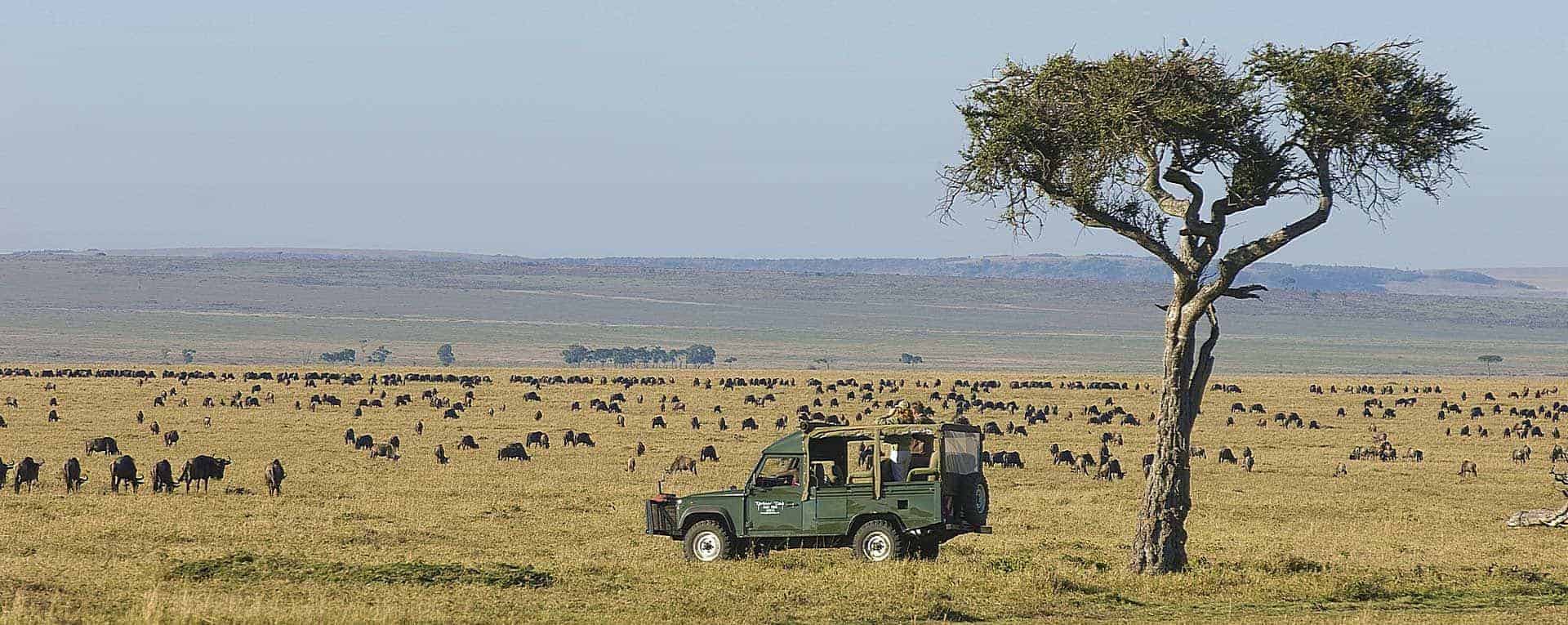
The wildebeest herds cross from Tanzania into Kenya’s Maasai Mara between late June and mid-July, and this arrival transforms the northern reserve from outstanding resident wildlife territory into the most famous wildlife spectacle on earth. July delivers the first major Mara River crossing events of the season, and the crossings during this month benefit from relatively fewer vehicles than August and September because early-season travelers have not yet peaked in volume. The northern Mara plains fill with wildebeest in a density that produces continuous lion hunting opportunities — prides that normally survive on resident zebra and topi suddenly face a bonanza of easy prey, and hunting success rates during July and August climb significantly above the year-round average. July rainfall is possible but typically light, and game drive conditions are generally excellent without the severe vehicle congestion that peaks in August.
August and September: Peak Migration Crossings
August and September deliver the highest frequency of Mara River crossing events because the wildebeest population in the Mara reaches maximum concentration and the back-and-forth river crossing behavior intensifies as herds respond to grass quality on both sides of the river. Multiple crossings per day occur during peak weeks, and observers positioned at established crossing points — Mara Serena, Purungat Bridge, and Ol Kiombo — can watch three or four separate crossing events in a single morning without moving their vehicle. The experience is extraordinary but the vehicle congestion at crossing points during these months reaches levels that disrupt quiet contemplation — 30 to 60 vehicles may line a crossing bank simultaneously, and the combined noise and movement changes the atmosphere from intimate wildlife observation to competitive spectating. Conservancy-based camps in Olare Motorogi or Mara North offer better-controlled crossing viewing because operators in these areas self-regulate vehicle numbers at popular observation points.
October: Herds Begin Moving South
October sees the wildebeest herds beginning their southern migration back toward Tanzania as the short rains trigger fresh grass growth in the Serengeti, and the crossing frequency at the Mara River decreases through the month as herds thin out progressively from the reserve’s northern grasslands. Early October still delivers outstanding migration viewing and considerably less vehicle pressure than August peak, making it one of the better months for travelers who want migration without extreme crowding. Lion activity remains elevated through October because the departing herds provide easier hunting than the resident prey base, and late October offers the last reliable migration lion hunts before the herds leave for another year. The landscape begins greening toward month end as short rain showers arrive intermittently, producing a scenic transition from golden dry-season grass to the first flush of green that changes the photographic character of the reserve.
Resident Wildlife Season: November to June
November and December: Short Rains and Recovery
November brings the short rains to the Maasai Mara, and the reserve transforms from the tawny gold of dry season into a vivid green landscape that dramatically improves the visual quality of game drive photography for travelers who find dry-season burned-grass backgrounds repetitive. Vehicle numbers drop substantially from October peak through November, and game drives during this period encounter lion prides, cheetah families, and elephant herds in conditions where you may be the only vehicle at a sighting for extended periods. The rain falls in short intense afternoon bursts that rarely disrupt morning game drives, and lodges and camps remain fully operational throughout this month. December dry season returns in the second half of the month and the holiday period brings families, producing a late-month peak in bookings and prices that equals or exceeds the migration season for some premium properties.
January to March: Best Cheetah and Predator Season
January through March delivers the Maasai Mara’s finest predator viewing conditions for cheetahs, leopards, and lions because the absence of migration season vehicle pressure allows game drives to spend extended time at sightings without competing with dozens of other vehicles. Female cheetahs raise cubs through this period in the open Musiara and Olare Motorogi grasslands, and the cubs’ developmental stages from newborn through sub-adult progression across these three months provide extraordinary behavioral photography opportunities at every life stage. Leopards in the Mara River thickets become more visible through February and March as the vegetation dries slightly and opens visual corridors into the dense riparian forest. The wildebeest herds are in the Serengeti during these months and essentially absent from the Mara, but the resident ungulate populations of topi, zebra, Thomson’s gazelle, and impala provide adequate prey to keep the resident predator community in excellent hunting condition.
April and May: Low Season with Remarkable Access
April and May represent the Maasai Mara’s quietest months due to the long rains, and significant rainfall during these weeks can make some dirt track sections within the reserve impassable for standard 4×4 vehicles. Operators who manage their fleet well — using high-clearance vehicles with good ground clearance — continue running excellent game drives through the wet season, but travelers should understand that vehicle access in some reserve areas is weather-dependent. Accommodation rates in April and May drop to their annual lows — some camps offer 30 to 50 percent reductions on standard high-season rates — and the combination of emptiness and lush landscapes produces an experience of remarkable intimacy that peak-season visitors never encounter. Birding conditions peak during the long rains as intra-African migrants and Palearctic migrants coincide with resident species breeding activity, producing the year’s highest overall bird species totals for dedicated listers.
Plan Your Safari
Choose Your Maasai Mara Travel Dates
African Wild Trekkers advises on the best Maasai Mara timing for your specific wildlife priorities and books the right camps and conservancy access for your chosen season. Contact us at africanwildtrekkers.com/contact to discuss your dates.
What Your Package Covers
Your Maasai Mara package includes conservancy or reserve access, expert Maasai guides, all game drives, full-board accommodation, and transfers from Nairobi — tailored to the season that best matches your wildlife priorities.
Request Your Maasai Mara Quote
Tell us your travel months and whether you want migration, predators, or quieter access and we will design the right Kenya safari within 24 hours. Reach us at africanwildtrekkers.com/contact.