David Sheldrick Wildlife Trust: Nairobi’s Most Moving Wildlife Experience
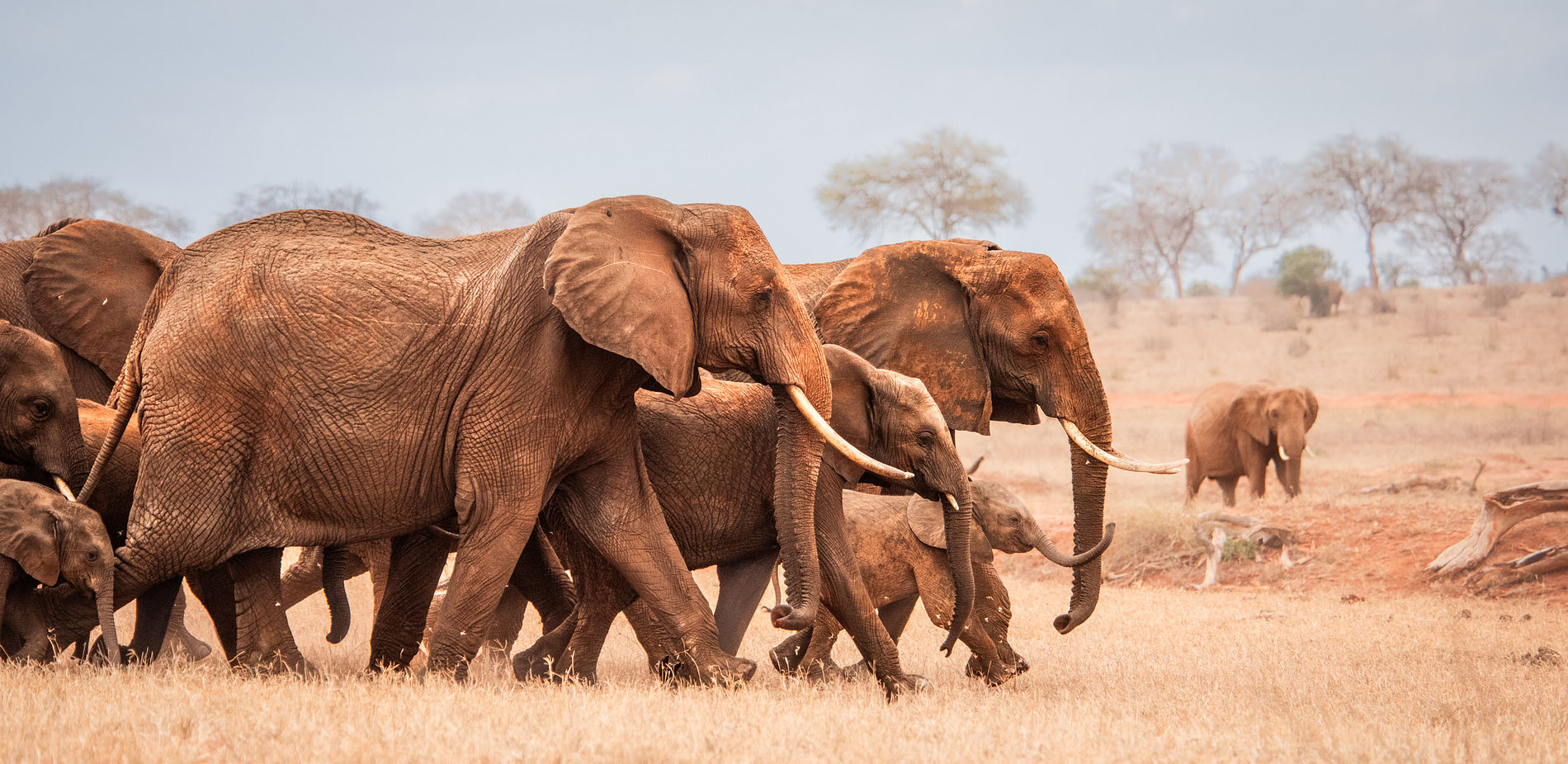
The David Sheldrick Wildlife Trust operates the world’s most successful elephant orphanage program in Nairobi National Park, rescuing, rehabilitating, and releasing orphaned elephants across Kenya while simultaneously running the country’s most extensive anti-poaching operations in coordination with Kenya Wildlife Service. Founded in 1977 by Dame Daphne Sheldrick following the death of her husband David, the trust has hand-raised over 250 orphaned elephants and returned them to wild populations in Tsavo, achieving release success rates that no comparable program anywhere in the world has matched.
A visit to the trust’s Nairobi nursery during the daily 11 AM public viewing hour delivers one of Kenya’s most emotionally powerful wildlife encounters: baby elephants emerging from the forest to feed, mud-bathe, and interact with their keepers in a display of animal-human bonding that connects every observer to the broader story of elephant conservation in Africa. African Wild Trekkers includes the trust as a standard component of Nairobi day programs because the encounter consistently generates the deepest conservation commitment of any single activity available to Kenyan visitors, regardless of the wildlife they have already seen.
The Elephant Rescue and Rehabilitation Program
How Orphans Are Found and Rescued
The David Sheldrick Wildlife Trust operates a 24-hour emergency response system through a network of informants, wildlife rangers, and community members across Kenya who report orphaned elephant calves and animals found alone in the field following the death of their mother due to poaching, drought, conflict, or injury.
The trust’s rescue aircraft and ground teams deploy within hours of a confirmed orphan report and assess the calf’s condition before transporting it to the Nairobi nursery for intensive care.
The milk formula used for orphaned elephants took Daphne Sheldrick over 28 years to develop through trial and error, because elephant milk contains fat compositions and protein structures different from all other species for which commercial milk replacers had been designed.
Early orphans died despite vigorous care because no available formula adequately supported their specific nutritional requirements, and the formula Daphne eventually developed, a proprietary coconut oil-based composition that closely matches wild elephant milk chemistry, has since become the cornerstone of the trust’s success rate and has been shared with elephant orphanage programs in other countries attempting to replicate the Nairobi results.
Understanding this developmental history during your visit reveals the depth of dedication that underpins what looks from the outside like a touching wildlife encounter but represents decades of scientific determination to understand a species well enough to replace what its wild mother would have provided.
The Rehabilitation Journey to Wild Release
Elephant orphans graduate from the Nairobi nursery to rehabilitation facilities at Tsavo East and Tsavo West national parks when they reach approximately three years of age and can survive without round-the-clock keeper care, and the gradual transition from nursery to wild Tsavo happens through a carefully managed process during which the animals spend increasing amounts of time in the bush alongside older orphan graduates, who provide the social connection that wild elephants require for psychological well-being.
The Tsavo reintegration units allow the orphans to interact with wild elephant populations at their own pace, and most individuals make their final break with the keepers over a period of months as wild elephants, often drawn to the orphans by curiosity, gradually absorb them into existing social groups. The trust monitors released elephants for years after their final departure through periodic sightings by Tsavo field teams, and the documentation of former orphans returning to the release camps with their own wild-born calves represents the program’s most profound evidence of complete rehabilitation.
Visiting the Nairobi nursery puts you at the very beginning of this decades-long journey for each baby elephant in residence, and understanding the full arc of what happens after the public viewing hour transforms a charming animal encounter into a genuinely moving conservation story.
The trust also operates a rhino rescue and rehabilitation program and a canine anti-poaching unit that deploys specially trained dogs alongside rangers in the field to detect poachers and contraband in areas where human tracking alone proves insufficient.
These programs receive less public visibility than the elephant orphanage but represent critical components of the trust’s overall mission to protect Kenya’s wildlife populations beyond the individuals rescued and rehabilitated at the nursery level.
The anti-poaching unit coordinates directly with the Kenya Wildlife Service on operations across Tsavo, Amboseli, and the Laikipia region, and the trust’s community outreach programs funding school education and clean water projects in communities adjacent to national parks create the economic incentives for local people to become wildlife protectors rather than poaching participants. Every entry ticket sold at the Nairobi nursery contributes to all of these programs simultaneously, making the viewing experience one of conservation travel’s most direct and transparent spending impacts.
Visiting the David Sheldrick Wildlife Trust
Public Viewing Hours and What to Expect
The trust opens its Nairobi nursery to general public visitors for a single hour from 11 AM to noon each morning, and this concentrated viewing period produces a structured encounter where keepers bring each baby elephant out of the forest stockade for milk feeding, mud-bath play, and brief interactions with the gathered visitors.
The viewing area accommodates visitors on a raised bank surrounding a central play area, and the elephants move freely within this space, approaching individual visitors, investigating bags and clothing with their trunks, and occasionally leaning against the viewing barrier in ways that bring them within arm’s reach of the front row.
Advance booking is required for public visits, and the trust processes registrations through its website at a non-resident adult entry fee of approximately $15 USD per person. Foster parents who support a specific orphan through the trust’s monthly sponsorship program receive a dedicated visit slot separate from the general public viewing, with keepers identifying the fostered elephant and facilitating a closer, more personal interaction during the foster visit hour that precedes the general public slot at 11 AM.
Booking through African Wild Trekkers includes advance trust registration as part of the Nairobi day program logistics, so clients arrive confirmed and prepared rather than risking sold-out slots at a popular attraction during peak Kenya tourism months. The trust asks visitors not to wear perfume or strong scents to the viewing because the elephants’ sensitive olfactory systems react to artificial fragrance in ways that disrupt their settled behavior during the public hour.
Plan Your Safari
The David Sheldrick Wildlife Trust viewing operates only at 11 AM, so the morning before the visit works well for a Nairobi National Park game drive or Giraffe Centre visit that fills the early hours before the orphanage opens.
African Wild Trekkers sequences the full Nairobi wildlife day with the park game drive from 6 to 9 AM, the Giraffe Centre from 9:30 to 11 AM, and a trust visit at 11 AM, delivering three exceptional wildlife experiences within a single Nairobi morning before your afternoon flight or onward safari transfer.
Your David Sheldrick Wildlife Trust package includes advance trust registration, entry fee, vehicle and driver for the full Nairobi wildlife morning, and coordination with any other Nairobi activities in your itinerary. We ensure transport between the national park gate, the Giraffe Centre in Karen, and the trust arrival on Magadi Road runs on time without the navigation stress that independent visitors frequently encounter between these three locations.
Contact African Wild Trekkers at africanwildtrekkers.com/contact with your Nairobi dates to confirm your David Sheldrick Wildlife Trust slot alongside your complete Kenya safari. We respond within 24 hours.