Giraffe Centre Nairobi: Hand-Feeding Africa’s Most Endangered Giraffe
The Giraffe Centre Nairobi offers one of Kenya’s most accessible wildlife conservation experiences. Visitors can stand on an elevated platform at eye level with an endangered Rothschild’s giraffe and feed it directly from their hands.
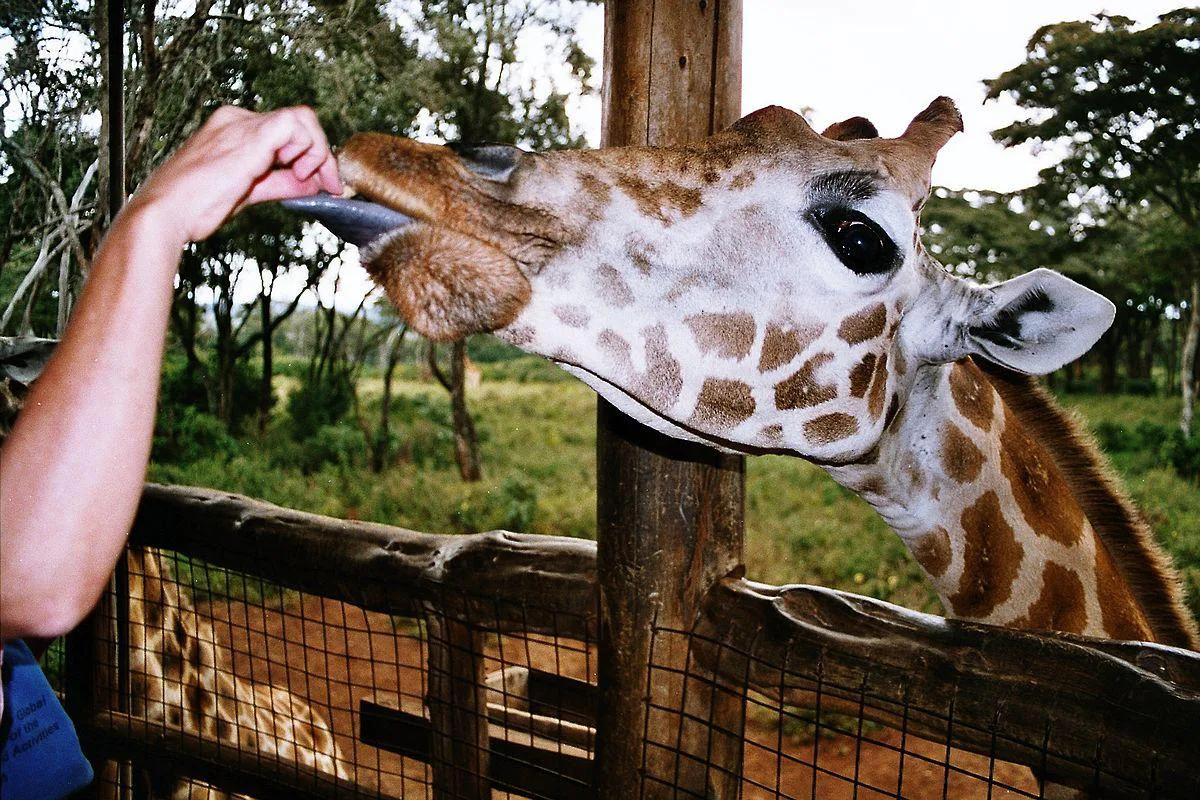
The experience allows close encounters with one of Kenya’s rarest giraffe subspecies. A giraffe’s metre-long purple tongue reaches forward to collect food pellets while visitors observe its unique facial features from only a few steps away.
The African Fund for Endangered Wildlife (AFEW) established the centre in 1979. At that time, fewer than 130 Rothschild’s giraffes remained in Kenya. The breeding program has since helped increase their numbers and supported conservation translocations to parks and private conservancies across the country.
Located in Nairobi’s Karen suburb, the centre sits within a two-hectare indigenous forest. It combines giraffe encounters, conservation education, and a peaceful nature walk. The experience appeals to families, first-time visitors, and wildlife enthusiasts interested in Kenya’s conservation efforts.
The Giraffe Encounter Experience
Feeding Rothschild’s Giraffes at Eye Level
The Giraffe Centre’s raised feeding platform creates a rare opportunity to meet giraffes at eye level. The animals approach visitors voluntarily throughout the day to receive specially prepared food pellets.
This close interaction allows visitors to appreciate the giraffe’s incredible anatomy. You can see the long eyelashes, large expressive eyes, ossicones on the head, and flexible lips used to feed from trees in the wild.
The giraffe’s tongue is one of its most fascinating features. It can extend over 45 centimetres and helps the animal collect leaves from thorny acacia trees. Watching the tongue carefully pick up food from your hand reveals the remarkable adaptations that help giraffes survive in African landscapes.
Most visitors expect a short feeding session but often spend much longer on the platform. Each giraffe has a different personality. Some approach confidently, while others observe visitors before moving closer.
The platform also provides an educational opportunity. Centre guides explain the history of Rothschild’s giraffes and the conservation work protecting them.
Rothschild’s giraffes have a distinctive appearance. Unlike many other giraffe subspecies, they have no markings below their knees. Their lower legs appear almost white, creating a natural “stocking” pattern.
Many giraffes at the centre wear tracking collars. These collars help researchers monitor movements and make decisions about future conservation relocations.
Forest Walk and Wildlife Encounters
The Giraffe Centre experience continues beyond the feeding platform. A short nature trail leads visitors through indigenous forest where giraffes roam freely.
Seeing a giraffe from ground level creates a completely different perspective. Looking upward at an animal standing more than five metres tall shows the true scale of this remarkable species.
The centre also supports other wildlife. Warthogs move freely around the grounds and often graze near visitors. Young piglets searching for food create memorable photography opportunities alongside the towering giraffes.
The combination of different species in one location makes the centre especially enjoyable for families. Children can observe large mammals at close range while learning about conservation.
Visitors can also relax at the centre’s café after the experience. The outdoor seating area provides a peaceful setting surrounded by nature.
Nearby, Giraffe Manor offers a luxury accommodation experience where guests can enjoy giraffe encounters during their stay. However, day visitors to the Giraffe Centre can enjoy the same feeding platform experience without booking accommodation there.
Conservation Impact of the Giraffe Centre
Protecting Rothschild’s Giraffes in Kenya
The Giraffe Centre plays an important role in protecting Rothschild’s giraffes. Entry fees support breeding, conservation research, and education programs.
The centre has helped raise giraffes for relocation to protected areas, including Ruma National Park, Lake Nakuru National Park, Hell’s Gate National Park, and private conservancies in Kenya.
Each relocation requires careful planning. Conservation teams conduct veterinary checks, organise transport, and monitor giraffes after release.
The centre also runs environmental education programs for Kenyan students. Thousands of children visit each year to learn about wildlife conservation, habitat protection, and the importance of protecting endangered species.
These programs help create future generations that understand Kenya’s wildlife heritage and support conservation efforts.
The Rothschild’s giraffe population has grown significantly since the centre began its work. While many organisations contribute to this success, the Giraffe Centre remains one of Kenya’s most visible and successful giraffe conservation initiatives.
A visit therefore becomes more than a wildlife attraction. It directly supports a program that has helped protect a threatened species.
Plan Your Safari
The Giraffe Centre Nairobi opens daily from 9:00 AM to 5:00 PM. Its location makes it easy to combine with other Nairobi conservation attractions.
A popular morning itinerary begins with the Giraffe Centre before continuing to the David Sheldrick Wildlife Trust elephant orphanage viewing session. This combination allows visitors to experience two of Nairobi’s leading conservation projects in one day.
A typical visit lasts between one and two hours. This provides enough time for giraffe feeding, photography, the forest walk, and learning about the conservation program.
Gecko Safaris Africa can include the Giraffe Centre in Nairobi city tours, Kenya safari packages, and arrival or departure programs.
Contact us with your Nairobi travel dates, and we will help you create a wildlife experience that combines conservation, education, and unforgettable encounters with Kenya’s unique species.