Diani Beach Kenya: Where Safari Ends and Indian Ocean Blue Begins
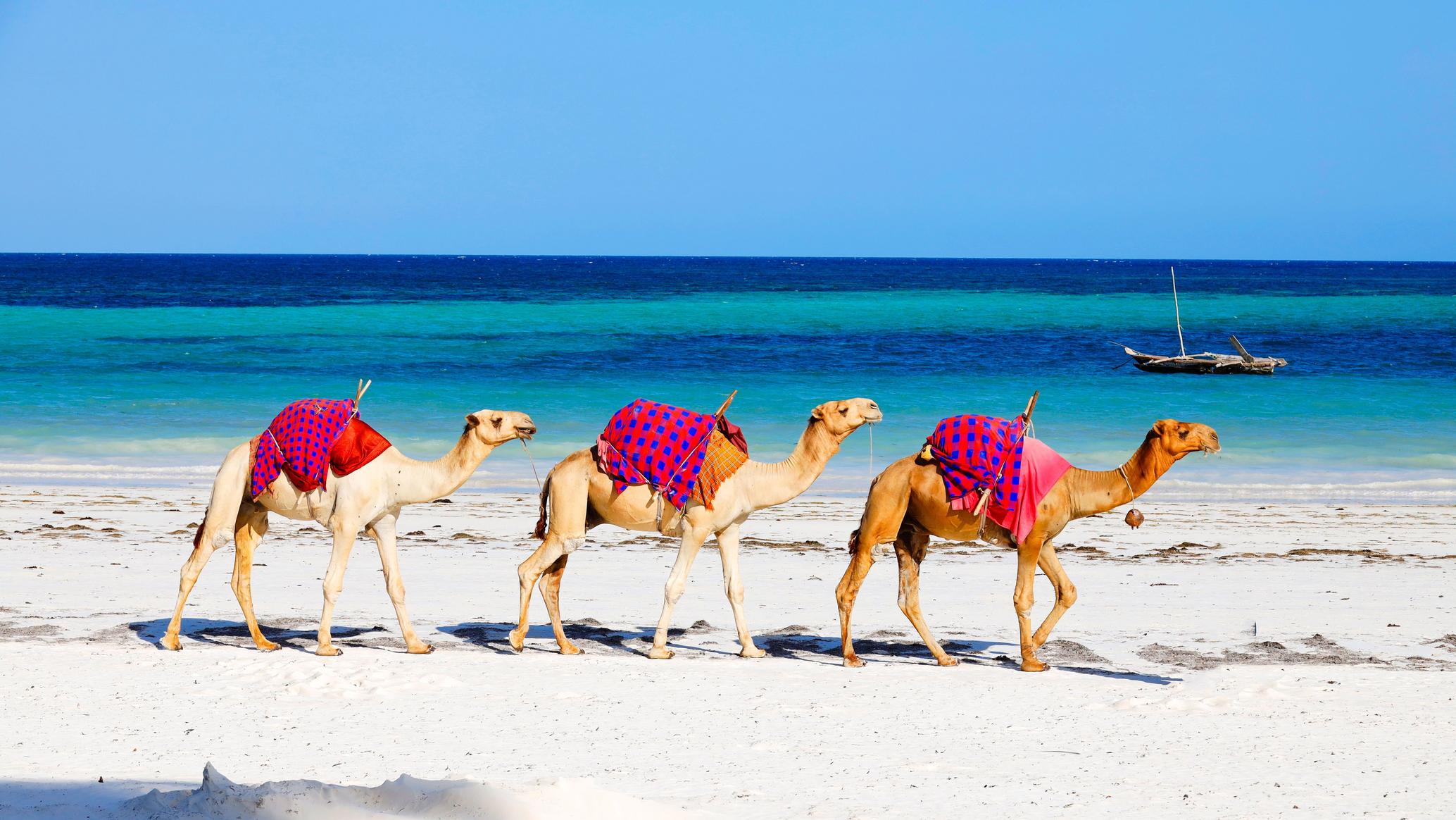
Diani Beach, Kenya, stretches for 17 kilometers along the country’s south coast. It offers some of East Africa’s finest white-sand beaches, warm Indian Ocean waters, and excellent marine experiences.
Located south of Mombasa, Diani combines relaxation with adventure. Visitors can snorkel colorful coral reefs, explore coastal forests, encounter wild colobus monkeys, and visit Shimba Hills National Reserve for a wildlife experience close to the beach.
The beach’s natural beauty goes beyond the shoreline. The surrounding Diani forest supports unique coastal wildlife, while nearby marine parks protect some of Kenya’s richest underwater habitats.
For travellers combining a Kenya safari with a beach holiday, Diani provides the perfect coastal finale. Gecko Safaris Africa designs Kenya safari packages that connect wildlife destinations with relaxing stays on the Indian Ocean coast.
The Beach and Marine Environment
Swimming, Snorkelling and Diving in Diani
Diani Beach is famous for its soft white coral sand. Unlike many tropical beaches, the sand remains cool even under the strong coastal sun.
A coral reef runs parallel to the shoreline between 200 and 600 meters offshore. This reef protects the beach from strong waves and creates a calm lagoon ideal for swimming.
The warm, clear waters support a variety of marine life. Snorkellers can encounter colorful reef fish, sea turtles, moray eels, and different coral species.
The best snorkeling experiences take place around Kisite-Mpunguti Marine National Park, located south of Diani. The protected waters support healthier coral habitats because fishing restrictions help preserve marine life.
Diani also offers excellent diving opportunities. Local dive centers provide options for beginners and experienced divers. Dive sites range from shallow coral gardens to deeper reef walls.
During the dry seasons from July to September and December to March, visibility can reach 20 meters or more. These conditions create excellent opportunities for underwater photography.
Between October and March, whale sharks occasionally appear along the Kenya coast. These gentle giants attract visitors who want to snorkel alongside one of the ocean’s largest fish species.
Dolphins also live in the waters around Diani. Morning boat trips often encounter spinner and bottlenose dolphins near the reef.
Diani Forest and Colobus Monkey Encounters
Diani offers a rare combination of beach and wildlife. Behind the hotels and resorts, coastal forest supports populations of Angolan colobus monkeys.
These striking black-and-white primates have long white tails and flowing shoulder fur. They move through the forest canopy and often appear in hotel gardens.
The Colobus Trust works to protect these endangered monkeys and their coastal forest habitat. The organization runs conservation programs, community education, and research projects.
One of its most successful initiatives involves installing rope bridges across roads. These bridges allow monkeys to move safely between fragmented forest areas.
Visitors can join guided forest walks to learn about colobus conservation while observing the monkeys in their natural environment.
Sykes’ monkeys also live around Diani. These smaller primates are more comfortable around humans and often explore hotel gardens.
Their curiosity creates memorable encounters, but visitors should keep doors closed and avoid leaving food unattended. Living alongside wildlife requires respect for the animals and their natural behavior.
Shimba Hills: Wildlife Near the Beach
A Coastal Safari Experience
Shimba Hills National Reserve lies only about 33 kilometers from Diani Beach. The reserve provides an excellent wildlife experience for travelers who want more than a beach holiday.
The reserve protects coastal forest, grasslands, and unique wildlife species. Visitors can see elephants, buffaloes, leopards, sable antelopes, and more than 250 bird species.
Shimba Hills is one of Kenya’s best places to see sable antelope. These elegant animals have long curved horns and rich chestnut-colored coats.
The reserve also offers a completely different landscape from Kenya’s famous savanna parks. Coastal forests create a cooler environment with unique plant and bird species.
A visit to Sheldrick Falls adds another highlight. The waterfall sits at the end of a forest trail surrounded by birdlife and tropical vegetation.
Bird enthusiasts can look for coastal species such as the green-headed oriole, Fischer’s turaco, and Amani sunbird.
A Shimba Hills excursion allows visitors to add wildlife viewing to their Diani stay without sacrificing time on the beach.
Combining Diani Beach with a Kenya Safari
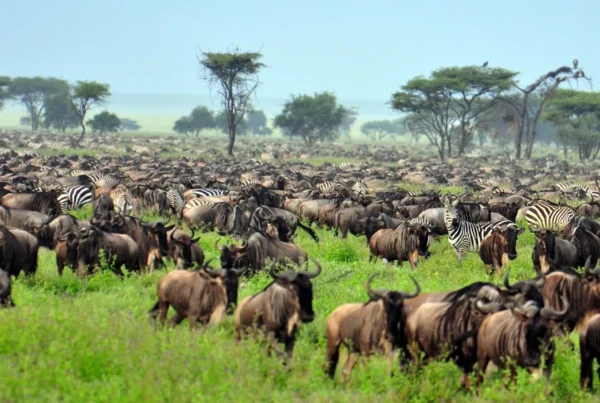
Diani works best as the final stop on a Kenya safari itinerary. After several days of game drives, the beach provides time to relax and enjoy the Indian Ocean.
Many travellers combine Diani with Tsavo West National Park because of the convenient road connection between the two destinations.
A typical safari-and-beach itinerary includes wildlife viewing in Kenya’s national parks before ending with three to five nights on the coast.
Visitors can enjoy:
- Beach relaxation and swimming
- Kisite-Mpunguti Marine Park snorkelling
- Shimba Hills wildlife excursions
- Colobus conservation walks
- Indian Ocean sunset experiences
This combination creates a balanced Kenya holiday with both wilderness and coastal experiences.
Plan Your Safari
Diani Beach offers much more than a traditional beach escape. Its combination of marine adventures, coastal forests, wildlife encounters, and nearby reserves makes it one of Kenya’s most complete coastal destinations.
Gecko Safaris Africa can combine Diani Beach with Kenyan safari destinations, including Maasai Mara, Amboseli, Tsavo, and Samburu.
Our Kenya safari-and-beach packages include accommodation, transfers, guided excursions, and carefully planned experiences that match your travel style.
Contact Gecko Safaris Africa with your Kenya travel dates, and we will design a personalized safari ending on the beautiful shores of Diani Beach.