Lamu Island Kenya: Africa’s Best-Preserved Swahili Town and Its Extraordinary Culture
Lamu Island, Kenya, offers one of East Africa’s most unique coastal experiences. The island combines ancient Swahili culture, peaceful beaches, traditional dhow sailing, and a way of life that has remained largely unchanged for centuries.
Lamu Old Town holds UNESCO World Heritage status as the oldest and best-preserved Swahili settlement in East Africa. Its narrow coral-stone streets, historic mosques, and beautifully carved wooden doors reflect centuries of African, Arab, Indian, and Persian influences.
Unlike most coastal destinations, Lamu has no motor vehicles in the old town. Donkeys and boats remain the main forms of transport. This creates a quiet atmosphere where visitors experience the island at a slower and more traditional pace.
Located off Kenya’s northern coast, Lamu is accessible by flights from Nairobi and Mombasa. The island provides an ideal cultural extension after a Kenyan safari for travelers seeking more than a typical beach holiday.
The Swahili Heritage of Lamu Town
Architecture and Traditional Island Life
Lamu’s architecture reflects the island’s long history as an Indian Ocean trading center. Coral-stone buildings, shaded courtyards, and decorated wooden doors define the character of the old town.
The famous Lamu doors remain some of the finest examples of Swahili craftsmanship. Local artisans carved these hardwood doors by hand using traditional techniques passed down through generations.
Many doors feature detailed geometric patterns, floral designs, and brass decorations. They once represented the wealth and status of the families who owned the homes.
Walking through Lamu Old Town reveals a living community rather than a historical display. Residents continue daily activities in the same streets their ancestors used hundreds of years ago.
Early morning walks provide the best atmosphere. Fishermen return from the ocean, donkeys transport goods through narrow lanes, and the call to prayer from the town’s mosques marks the rhythm of daily life.
The streets can feel confusing at first because they follow the original layout of the settlement. A guided walking tour helps visitors understand the history, architecture, and traditions hidden around every corner.
Lamu Museum and Traditional Crafts
The Lamu Museum provides insight into the island’s Swahili heritage. Exhibits include traditional household items, ceremonial objects, navigation tools, and historical artifacts.
The museum also displays examples of traditional Lamu doors and explains their cultural importance. Understanding their history makes exploring the old town feel like walking through an open-air museum.
Another highlight is the traditional dhow-building craft. Local craftsmen continue constructing wooden sailing boats using techniques developed centuries ago.
Visitors can watch artisans shape wooden planks, build hulls, and create vessels without modern industrial equipment. This living tradition connects modern travelers with Lamu’s maritime past.
The Donkeys of Lamu
An Island Transport Tradition
Donkeys are one of Lamu’s most recognizable features. Around 3,000 donkeys live on the island and support daily transport needs.
Because the old town streets are too narrow for vehicles, donkeys carry building materials, food supplies, water containers, and other goods throughout the community.
The Lamu Donkey Sanctuary provides veterinary care and welfare support for these working animals. The organization treats injuries, offers medical services, and promotes responsible donkey care among owners.
Visiting the sanctuary helps travelers understand the important relationship between the island community and its animals.
Lamu’s donkeys are not simply tourist attractions. They remain essential working animals that support local livelihoods.
Beaches and Water Experiences Around Lamu
Shela Beach and Dhow Sailing
Shela Beach is one of Lamu’s most beautiful coastal areas. Located near Lamu town, it offers kilometers of white sand and a peaceful atmosphere away from busy resort environments.
The beach remains largely undeveloped. Visitors can enjoy long walks, swimming, and relaxing beside the Indian Ocean without crowds.
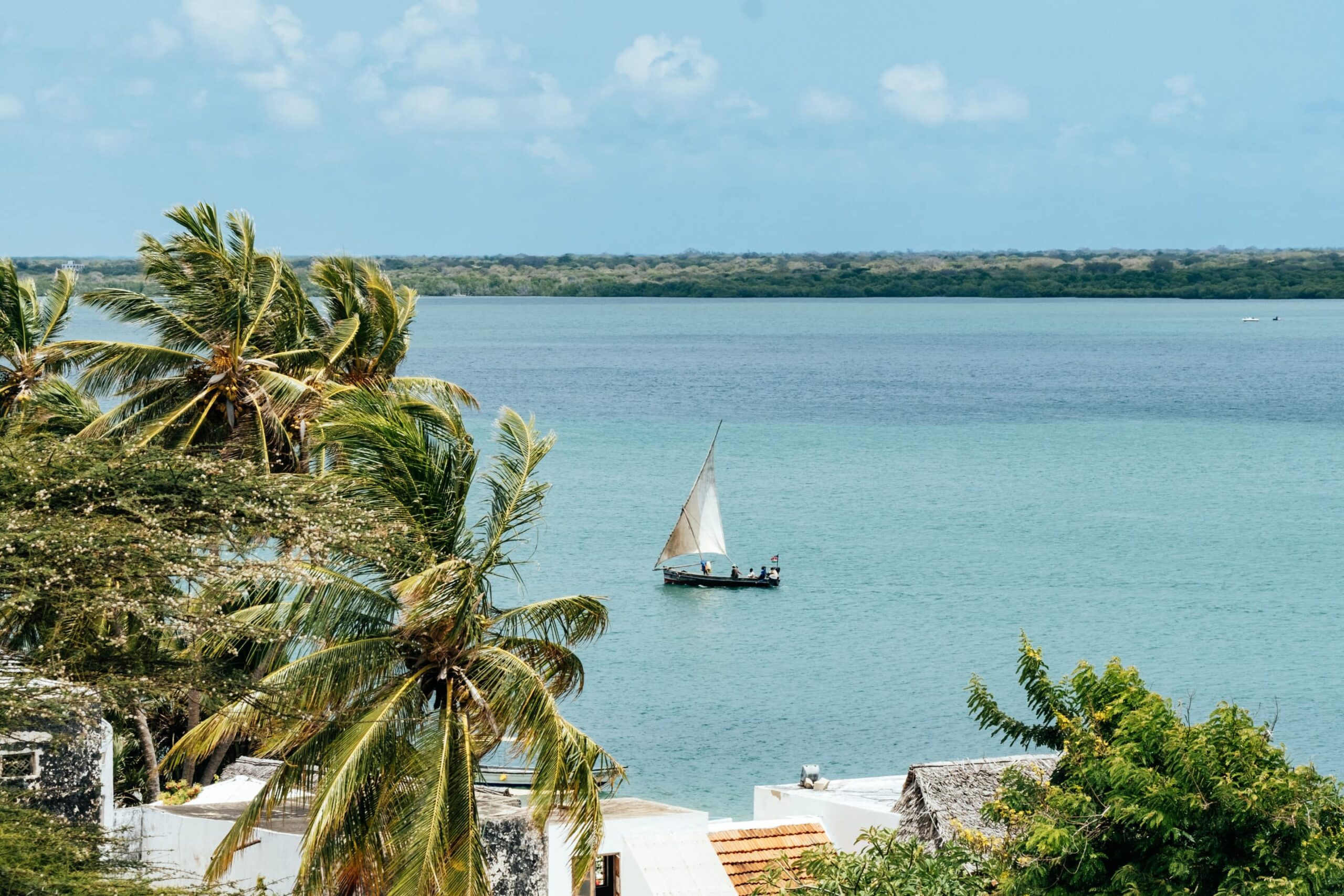
Traditional dhow sailing is one of Lamu’s most memorable experiences. These wooden sailing boats have traveled the Indian Ocean for centuries and remain an important part of coastal culture.
A sunset dhow cruise provides spectacular views of Lamu town from the water. The silhouette of mosque towers, traditional houses, and the glowing evening sky creates an unforgettable island scene.
Many dhow trips include a seafood dinner prepared on board or at a quiet sandbank. Fresh Swahili dishes and ocean views create one of Kenya’s most atmospheric dining experiences.
Manda Island and Takwa Ruins
Across the channel from Lamu town lies Manda Island, home to the historic ruins of Takwa.
Takwa was an important Swahili settlement between the 14th and 17th centuries. Today, visitors can explore coral-stone mosque remains, houses, and ancient pillar tombs surrounded by coastal forest.
A boat trip to Manda Island combines history, nature, and relaxation. Visitors can explore the ruins before enjoying swimming and a seafood lunch on a nearby sandbank.
The contrast between ancient Takwa and modern Lamu shows the long history of Swahili civilization along the East African coast.
Plan Your Safari
Lamu works best as a three- to four-night extension after a Kenya safari. The island’s relaxed pace provides the perfect transition after several days of wildlife viewing.
A Lamu experience can include the following:
- Guided Lamu Old Town walking tour
- Traditional dhow sailing
- Shela Beach relaxation
- Manda Island and Takwa ruins visit
- Swahili cuisine experiences
- Donkey sanctuary visit
Gecko Safaris Africa can combine Lamu with Kenyan safari destinations such as Maasai Mara, Amboseli, Tsavo, and Samburu.
Our Kenya coastal extensions include flights, transfers, accommodation, guided cultural experiences, and carefully selected activities.
Contact Gecko Safaris Africa with your Kenya travel dates, and we will design a safari and Lamu itinerary that combines wildlife, culture, and the beauty of Kenya’s Indian Ocean coast.
SEO Metadata
Meta Title: Lamu Island Kenya: Swahili Culture and Beach Experience
Meta Description: Discover Lamu Island, Kenya, with UNESCO heritage, dhow sailing, beaches, Swahili culture, and unique coastal experiences.
Focus Keyphrase: Lamu Island, Kenya
Slug: lamu-island-kenya
Tags: Lamu Island Kenya, Kenya coast, Swahili culture, Lamu Old Town, UNESCO Kenya, Kenya beach holiday, dhow sailing, Gecko Safaris Africa