Kasubi Tombs Kampala: Uganda’s Most Sacred Royal Heritage Site
Kasubi tombs Kampala is Uganda’s most important cultural landmark and the only Buganda Kingdom site on UNESCO’s World Heritage List. The Kasubi tombs occupy a prominent hill in Kampala’s Mengo area and hold the burial chambers of four Buganda kings: Mutesa I, Mwanga II, Daudi Chwa II, and Mutesa II. The Kasubi tombs Kampala site remains an active spiritual and ceremonial centre for the Buganda people more than a century after the first royal burial. Guided tours explain the significance of each burial chamber and the Buganda Kingdom’s royal succession traditions. A fire in 2010 destroyed the main thatched mausoleum but traditional craftspeople rebuilt it using original construction techniques. The rebuilt structure is itself a remarkable demonstration of living Buganda architectural heritage.
The Kasubi tombs Kampala complex covers 27 hectares on Kasubi Hill and includes the main royal burial building, ceremonial shrines, royal regalia displays, and attendant living quarters. The entire site functions simultaneously as a royal necropolis, a cultural heritage site, and an active Buganda Kingdom ceremonial space. The UNESCO World Heritage designation recognises both the site’s historical significance and its ongoing cultural function. No other site in Uganda combines this depth of royal history, living cultural practice, and architectural heritage in a single accessible urban location. Every Uganda safari itinerary that includes a Kampala cultural day should anchor it at Kasubi tombs.
History of Kasubi Tombs Kampala
The Buganda Royal Burial Tradition at Kasubi
Buganda Kingdom’s royal burial practices at Kasubi tombs Kampala date from the establishment of the site under Kabaka Mutesa I in the 1880s. Mutesa I chose Kasubi Hill as his palace residence during the late period of his reign. The site converted to a royal burial ground after his death in 1884. Three subsequent kings chose burial at Kasubi, establishing it as the primary royal necropolis. The Kasubi tombs Kampala complex grew with each successive burial as additional shrine buildings, attendant quarters, and ceremonial spaces took shape around the central mausoleum. The site’s accumulated history spans 140 years of continuous Buganda royal and spiritual activity.
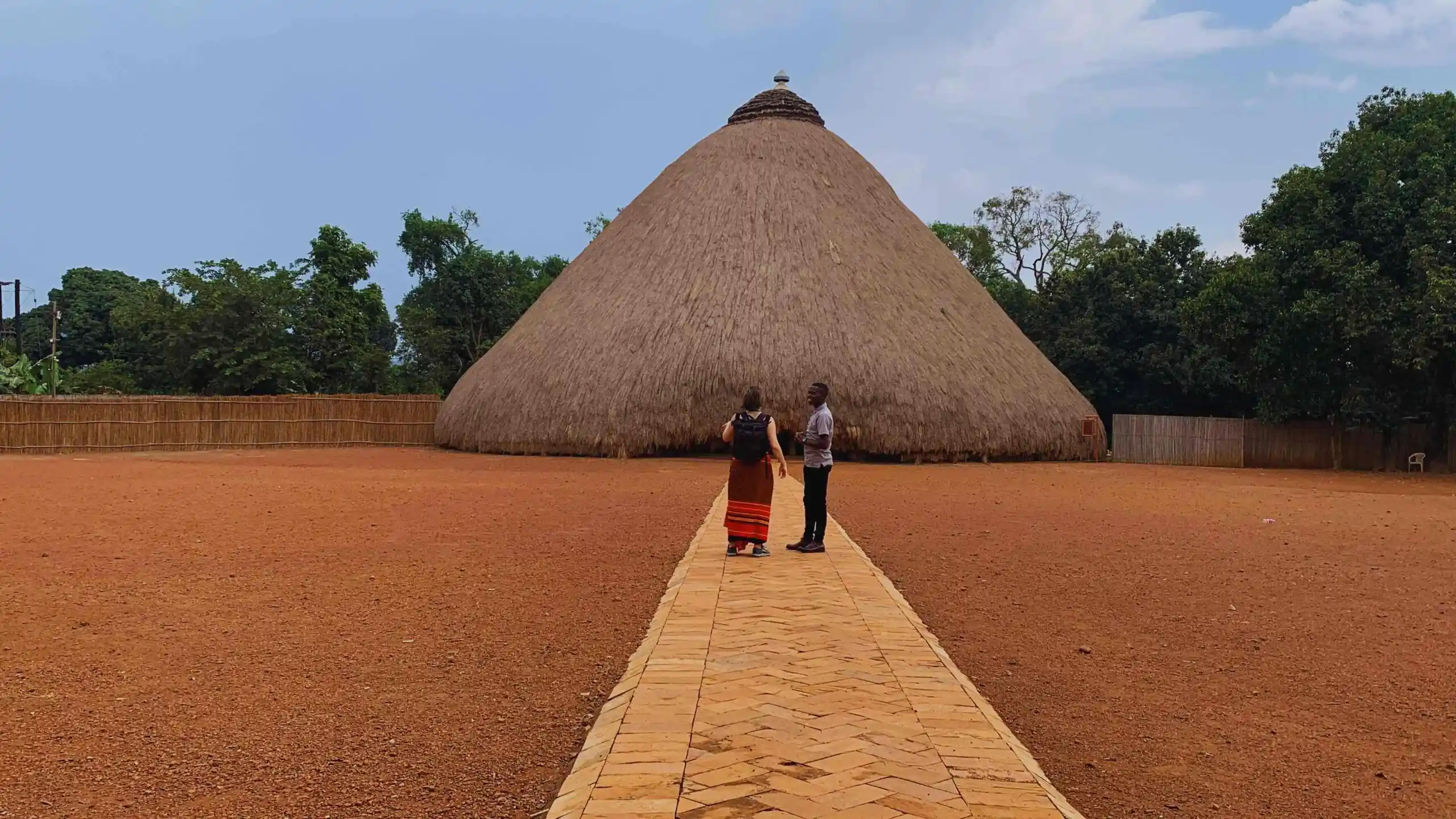
The main mausoleum building at Kasubi tombs Kampala, known as the Muzibu-Azaala-Mpanga, stands on a circular plan of 31 metres diameter. Bark cloth curtains separate the public reception area from the inner burial chambers. Custodian clans maintain these chambers and conduct regular ceremonies involving the spirit of each buried king. The Kasubi tombs Kampala custodians belong to hereditary clans that have served the royal burial ground across multiple generations. Meeting and speaking with these custodians during a guided tour provides the most direct human connection to the living culture of the Kasubi tombs Kampala site.
The 2010 Fire and Reconstruction at Kasubi
A fire in March 2010 destroyed the main Muzibo-Azaala-Mpanga thatched building and damaged several adjacent structures at Kasubi tombs Kampala. The fire caused widespread distress across Uganda and in the international heritage community. UNESCO provided technical and financial support for the reconstruction process. Traditional Ganda craftspeople from the bark cloth and thatching specialist clans led the physical reconstruction using documented traditional techniques. The rebuilt mausoleum reopened in stages between 2012 and 2022 as each section reached completion. The reconstruction process itself became an important cultural documentation exercise that recorded techniques at risk of being lost from living practice.
The rebuilt Kasubi tombs Kampala mausoleum uses the same materials and construction methods as the original 19th-century structure. Elephant grass thatch covers the conical roof to a depth that provides both waterproofing and aesthetic character. Bark cloth panels line the interior walls in the traditional pattern of royal Buganda decoration. The interior dimensions and spatial proportions follow the architectural specifications documented before the fire. Visiting Kasubi tombs Kampala today encounters a structure that is simultaneously a rebuilt heritage site and a new demonstration of traditional Buganda construction skills exercised at the highest level.
Visiting Kasubi Tombs Kampala
Guided Tours at Kasubi Tombs Kampala
All visits to Kasubi tombs Kampala use trained site guides who explain the royal history, burial practices, and custodian traditions. Tours last 60 to 90 minutes and cover the mausoleum interior, the attendant shrine buildings, and the royal regalia display. The guides explain each king’s historical significance and the Buganda political context of their reigns. Visitors remove shoes before entering the mausoleum building as a sign of respect for the sacred nature of the space. Photography inside the burial chamber requires specific permission and in some sections remains prohibited out of respect for the spiritual practices conducted there. Following the guide’s instructions about what is and is not photographable ensures a respectful and incident-free visit.
The site entrance fee for Kasubi tombs Kampala includes the mandatory guided tour. International visitor fees are higher than resident rates but remain modest relative to the cultural depth of the experience. The site opens daily except during active royal ceremonies when the site closes to visitors temporarily. Confirming the site’s current ceremonial schedule through your Kampala guide or operator before visiting avoids arriving during a closure period. The best visiting time is the morning from 09:00 to 11:00 when tour groups are smallest and the guide can spend more individual time explaining each section.
Getting to Kasubi Tombs Kampala
Kasubi tombs Kampala sits on Kasubi Hill approximately 5 kilometres from Kampala city centre in the Mengo area. A taxi or boda-boda from the city centre takes 20 to 30 minutes depending on traffic. Most Kampala tour operators include Kasubi tombs in their standard Kampala city cultural day itinerary. The site connects logically with the Mengo Palace visit that also sits on a nearby hill within the same Buganda Kingdom administrative area. A morning at Kasubi tombs Kampala followed by an afternoon at the Uganda National Museum covers the two most important cultural heritage sites in the capital in a single day.
The Kasubi area surrounding the tombs provides additional cultural context in the market and community life visible along the access road. Craft vendors near the site entrance sell bark cloth products, royal regalia replicas, and cultural items that make meaningful Uganda souvenirs. Purchasing from vendors immediately adjacent to the Kasubi tombs Kampala site supports the local community that lives around and maintains the heritage site. The community connection between the living neighbourhood and the royal burial ground reflects the ongoing integration of Buganda Kingdom heritage into contemporary Kampala life that makes Kasubi tombs unlike any other Uganda cultural attraction.
Plan Your Safari
Book the Kasubi tombs Kampala guided tour through your Kampala cultural day operator at least one day ahead to confirm current opening status and avoid ceremonial closure periods. Allow 90 minutes for the full guided tour and the exterior site walk. Combine with the Mengo Palace and Uganda National Museum for a complete Kampala cultural day that covers Buganda heritage from multiple perspectives.
African Wild Trekkers includes Kasubi tombs Kampala in Kampala cultural day programmes for Uganda safari clients who arrive at Entebbe on morning international flights or spend a cultural day in the capital before beginning the national parks circuit. We arrange guides, transport, and entry fees for the full Kampala heritage programme.
Contact African Wild Trekkers to plan your Kasubi tombs Kampala visit. We respond within 24 hours and design Kampala cultural day programmes that connect the royal heritage of Kasubi with the living culture of contemporary Uganda’s capital city.