Mount Kenya Trek Guide: Everything You Need to Know Before You Climb
Mount Kenya is Africa’s second-highest mountain and one of East Africa’s most rewarding trekking destinations. The volcanic massif rises to 5,199 meters at Batian Peak and 5,188 meters at Nelion Peak.
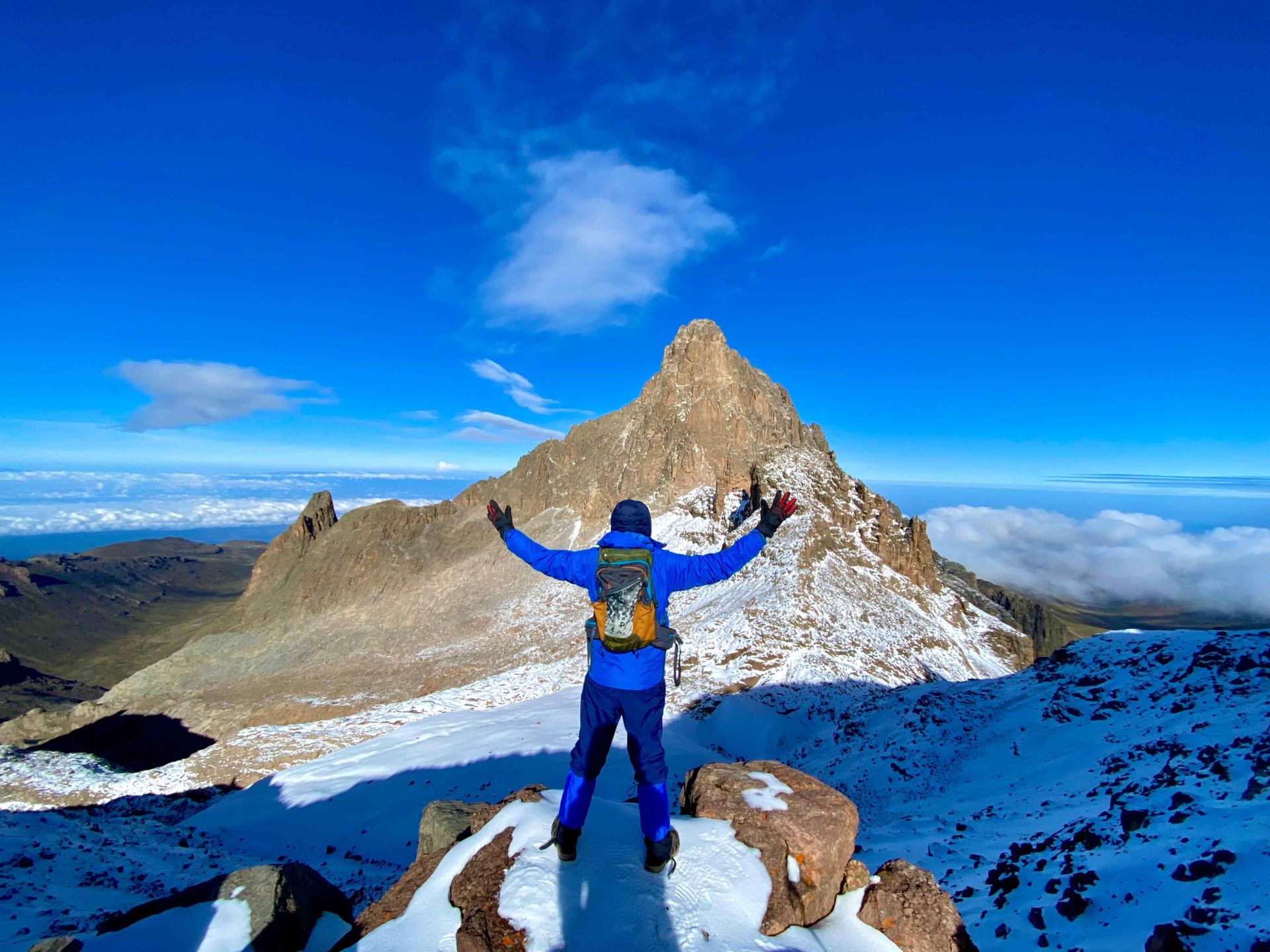
For most trekkers, the goal is Point Lenana, which stands at 4,985 meters. Unlike the technical summits of Batian and Nelion, Point Lenana does not require advanced climbing skills.
The mountain offers an incredible variety of landscapes within a single trek. Visitors move through tropical forest, bamboo zones, alpine moorland, and rocky summit terrain.
Despite its beauty, Mount Kenya receives far fewer visitors than Mount Kilimanjaro. This creates a more peaceful wilderness experience with fewer crowds and a stronger connection to nature.
African Wild Trekkers arranges Mount Kenya trekking adventures for travelers who want to combine mountain hiking with Kenya’s wildlife safaris and coastal experiences.
Mount Kenya Trekking Routes
Sirimon Route: The Best Route for First-Time Trekkers
The Sirimon Route is the most popular Mount Kenya trekking route. It begins on the northwestern side of the mountain and offers a gradual climb that helps trekkers adjust to increasing altitude.
The route starts near the park entrance at around 2,600 meters. The first day passes through forest before reaching the open moorlands around Old Moses Camp at 3,300 meters.
The landscape changes dramatically as you climb higher. Giant lobelias, towering groundsels, and unique Afro-alpine vegetation create scenery unlike anywhere else in Kenya.
The second day continues from Old Moses Camp to Shipton’s Camp at 4,200 meters. This section provides spectacular views of the mountain peaks and surrounding valleys.
Most trekkers begin the final summit climb around 2 AM. Reaching Point Lenana at sunrise offers one of Africa’s most memorable mountain experiences.
From the summit, trekkers can see Batian and Nelion peaks above while the Kenyan plains stretch below in every direction.
A three-day Sirimon trek is possible, but a four-day itinerary provides better acclimatization and improves summit success. African Wild Trekkers recommends an additional rest day at Shipton’s Camp for travelers without previous high-altitude experience.
Chogoria Route: The Most Scenic Mount Kenya Trail
The Chogoria Route is considered the most beautiful approach to Mount Kenya. It begins on the eastern side of the mountain and offers dramatic valleys, alpine lakes, and incredible views.
The route’s highlights include Hall Tarns, Temple, and Lake Michaelson. This glacial lake sits beneath the eastern face of Batian Peak and creates one of the most photographed scenes on the mountain.
Unlike the open landscapes of Sirimon, Chogoria passes through deeper valleys and more remote wilderness areas. Trekkers may spot buffalo, elephants, giant forest hogs, and colobus monkeys in the lower forest zones.
The Chogoria-Sirimon traverse provides the most complete Mount Kenya experience. Trekkers ascend through the scenic eastern side and descend through the northern route.
This five- to six-day adventure suits travelers with good fitness levels who want a more remote mountain experience.
Difficulty, Altitude, and Trek Preparation
Altitude Sickness on Mount Kenya
Point Lenana reaches almost 5,000 meters, making altitude preparation essential. At this elevation, the air contains less oxygen, and some trekkers experience altitude-related symptoms.
Common symptoms include headaches, nausea, tiredness, poor appetite, and disturbed sleep.
The best way to reduce altitude problems is a gradual ascent. Faster climbs often increase the risk of altitude sickness.
A four-day itinerary gives your body more time to adapt. Adding an acclimatization day at Shipton’s Camp can improve comfort and summit success.
Many trekkers use acetazolamide (Diamox) after consulting a medical professional. However, medication does not replace proper pacing and careful altitude management.
Guides monitor trekkers throughout the climb. If serious altitude symptoms develop, descending remains the safest solution.
Physical Preparation for Mount Kenya
Mount Kenya trekking requires good fitness and preparation. Daily hiking involves long distances, steep sections, and changing weather conditions.
Regular walking, hiking, and cardiovascular training before your trip improve your experience on the mountain.
Trekkers should also prepare for cold conditions. Temperatures near the summit can fall below freezing, especially before sunrise.
Essential gear includes:
- Warm thermal layers
- Waterproof jacket and trousers
- Comfortable hiking boots
- Gloves and a warm hat
- Sleeping bag suitable for cold temperatures
- Headlamp for the summit climb
Equipment rental is available in Nanyuki for travelers who do not want to carry specialized mountain gear.
Mount Kenya Trek Costs and Practical Information
Permit Fees and Guide Requirements
Mount Kenya National Park requires all trekkers to have permits and a qualified guide. Current costs depend on the route, duration, and services included.
Park entry fees usually make up the largest part of the trek cost. Additional expenses include guide services, accommodation, transport, and equipment rental.
Mountain huts at locations such as Old Moses Camp and Shipton’s Camp provide simple accommodation. They offer bunk beds and basic facilities, reducing the need to carry camping equipment.
A typical three-day Point Lenana trek costs approximately $300 to $400 per person for the mountain portion. The final price depends on transport, accommodation before and after the trek, and additional services.
African Wild Trekkers organizes the full trekking package, including permits, ranger guide arrangements, accommodation, transfers, and equipment advice.
Best Time to Trek Mount Kenya
Mount Kenya is accessible throughout the year, but the best trekking conditions occur during the dry seasons.
The ideal months are:
- January and February
- July to October
During these periods, clearer skies increase the chances of excellent summit views.
Wet seasons can bring rain, snow, and cloudy conditions. However, experienced trekkers can still enjoy the mountain with proper preparation.
The mountain’s equatorial location creates cold conditions at high altitude. Even during dry months, summit temperatures can drop significantly before sunrise.
Combining Mount Kenya with a Safari
Mount Kenya fits perfectly into a Kenya safari itinerary. The mountain is located near Nanyuki, making it easy to combine with wildlife destinations in central Kenya.
Many travelers combine their trek with Ol Pejeta Conservancy, Laikipia wildlife experiences, or Samburu National Reserve.
This combination creates a diverse Kenya adventure with mountain landscapes, wildlife encounters, and cultural experiences.
Plan Your Mount Kenya Trek Adventure
A Mount Kenya trek offers a unique way to experience Kenya beyond traditional safaris. From the dramatic summit sunrise to the rare Afro-alpine landscapes, the mountain delivers an unforgettable adventure.
African Wild Trekkers arranges complete Mount Kenya trekking packages based on your fitness level, available time, and travel plans.
Your package can include park permits, ranger guide services, mountain accommodation, Nanyuki stays, transfers, and equipment guidance.
Plan your Kenya adventure with a Mount Kenya trek and discover one of Africa’s most spectacular mountains.
Contact African Wild Trekkers at africanwildtrekkers.com/contact with your Kenya dates and fitness background, and we will design a Mount Kenya trek package within 24 hours.