Malindi Kenya Travel Guide: Ancient History, Indian Ocean Beaches and Marine Wildlife
Malindi is one of Kenya’s oldest coastal towns and one of the most fascinating destinations along the Indian Ocean. The town has a history that stretches back centuries, with strong connections to Swahili trade, Portuguese exploration, and Indian Ocean cultures.
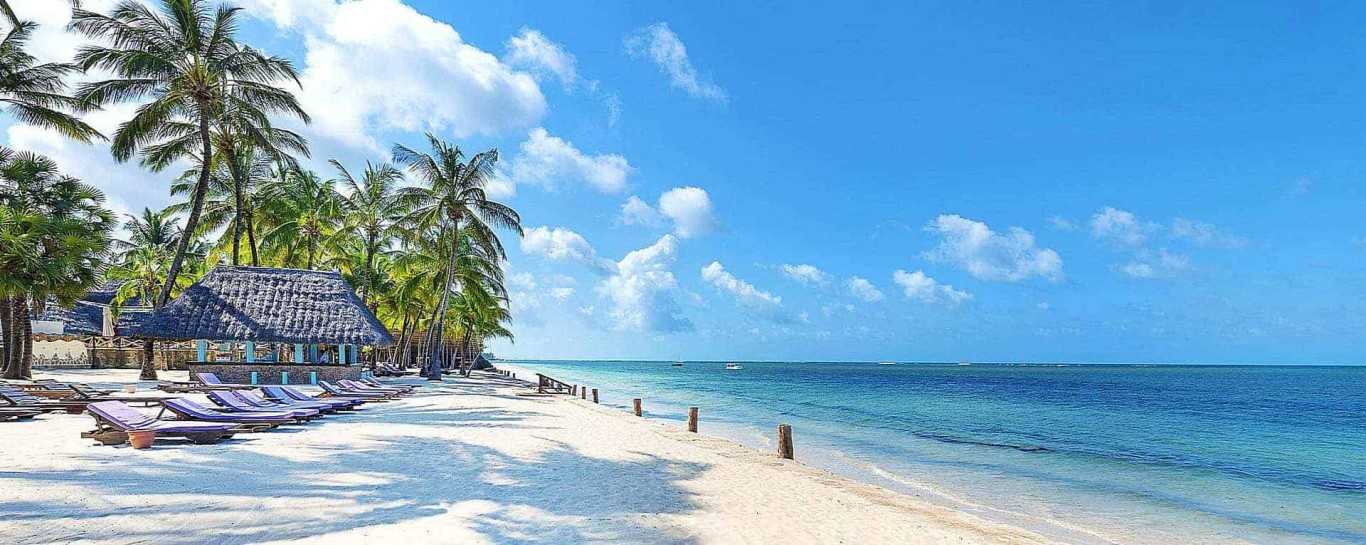
Located about 120 kilometers north of Mombasa, Malindi combines beautiful beaches, historical landmarks, marine adventures, and cultural experiences. It also provides easy access to some of Kenya’s top coastal attractions, including Watamu Marine National Park and the Gede Ruins.
The town offers a unique blend of traditional Swahili life and modern coastal tourism. Visitors find old mosques, historic monuments, seafood restaurants, and relaxed beach resorts within a short distance of each other.
For travelers exploring Kenya beyond the safari parks, Malindi offers the perfect coastal extension. It connects naturally with destinations such as Watamu and Lamu Island, creating a rich North Kenya coast experience.
History and Cultural Heritage of Malindi
Vasco da Gama Pillar and Portuguese History
The Vasco da Gama Pillar is one of Malindi’s most famous landmarks. Portuguese explorer Vasco da Gama visited Malindi in 1498 during his journey to India and established relations with the local ruler.
The coral stone pillar stands on a rocky point overlooking the Indian Ocean. It remains one of the oldest European monuments in East Africa.
The site connects visitors with the wider history of Indian Ocean trade. For centuries, Malindi welcomed traders from Arabia, Persia, India, and China before European ships arrived.
Nearby Portuguese graves provide further evidence of this historical period. The inscriptions and monuments reveal the importance of Malindi as a meeting point between different civilizations.
A visit to the Vasco da Gama Pillar offers more than a photo opportunity. It provides a glimpse into the global connections that shaped Kenya’s coast.
Malindi Old Town and Swahili Heritage
Malindi’s Old Town preserves the cultural identity of the historic Swahili coast. The narrow streets, traditional buildings, and old mosques reflect centuries of coastal traditions.
The Friday Mosque remains one of the important religious landmarks in the town. It represents the long-standing Islamic heritage that has influenced coastal communities for generations.
The Malindi Museum provides insight into the town’s role in Indian Ocean trade. Exhibits include archaeological discoveries from Arabia, China, and Persia.
Walking through Old Town allows travelers to experience the different layers of Malindi’s history. The town reflects a blend of African, Arab, Indian, and European influences.
Gede Ruins: A Hidden Swahili Historical Treasure
The Gede Ruins are among Kenya’s most impressive archaeological sites. Located about 16 kilometers south of Malindi, the ruins reveal the remains of a medieval Swahili trading town.
The abandoned city dates back several centuries and contains coral-stone houses, mosques, palaces, and tombs. The site shows the wealth and importance of Swahili communities involved in Indian Ocean trade.
Chinese porcelain found among the ruins highlights Gede’s international connections. Traders from distant regions visited the town and exchanged goods along the coast.
Today, the ruins sit within a coastal forest, creating a peaceful and atmospheric setting. Trees grow around ancient walls, while birds and small wildlife move through the historic remains.
One of the unique animals found around Gede is the golden-rumped elephant shrew. These small mammals add a wildlife element to the archaeological experience.
Guided tours usually take about 90 minutes and explain the history, architecture, and daily life of the people who once lived there.
A morning visit allows enough time to appreciate the site’s atmosphere without rushing.
Beaches and Marine Experiences in Malindi
Malindi Marine National Park
Malindi Marine National Park protects coral reefs, tropical fish habitats, and marine ecosystems close to the town’s coastline.
The park offers excellent opportunities for snorkeling, diving, and glass-bottom boat trips. Visitors can explore colorful coral gardens and observe marine species beneath the Indian Ocean.
Common sightings include parrotfish, angelfish, groupers, butterflyfish, and other reef species.
Glass-bottom boats provide an option for families and travelers who prefer to stay dry while still experiencing the underwater world.
The marine park also supports conservation efforts by protecting important coastal habitats and balancing tourism with local community needs.
Snorkeling and Diving in Malindi
Malindi offers enjoyable snorkeling and diving conditions during the calmer months of the year.
The best marine conditions usually occur between November and March when the northeast monsoon brings clearer water and calmer seas.
During this period, visibility improves, making it easier to explore coral reefs and observe marine life.
Divers can explore reef formations, underwater landscapes, and areas where larger fish species gather.
Travelers visiting during the right season can also combine Malindi with whale shark experiences in nearby Watamu waters.
Best Time to Visit Malindi
Malindi is a year-round destination, but different seasons offer different experiences.
The best months for beach activities, snorkeling, and marine excursions are usually from November to March. During this period, the ocean is calmer and visibility improves.
April to October brings the southeast monsoon, which can create stronger winds and rougher seas. However, the town remains enjoyable for cultural visits, historical tours, and relaxing beach stays.
Travelers combining Malindi with a Kenya safari should consider adding three to four nights on the coast after visiting wildlife destinations such as Maasai Mara, Amboseli, Samburu, or Tsavo.
Plan Your Kenya Coastal Safari Extension
Malindi offers a perfect combination of history, beaches, culture, and marine adventures. From exploring ancient Swahili ruins to discovering coral reefs, the town provides experiences beyond the traditional safari.
A Malindi coastal extension can include a visit to the Vasco da Gama Pillar, a Gede Ruins tour, marine park snorkeling, beach relaxation, and cultural experiences in the Old Town.
African Wild Trekkers can arrange your Malindi itinerary as part of a wider Kenya coast adventure connecting Watamu, Lamu Island, and your safari destinations.
Plan your Kenya safari with a coastal escape to Malindi and discover one of East Africa’s most historic ocean towns
Contact African Wild Trekkers at africanwildtrekkers.com/contact with your Kenya coast dates, and we will design a complete north coast circuit including Malindi. We respond within 24 hours.