Black Rhino in Kenya: A Complete Guide to Finding This Rare Animal
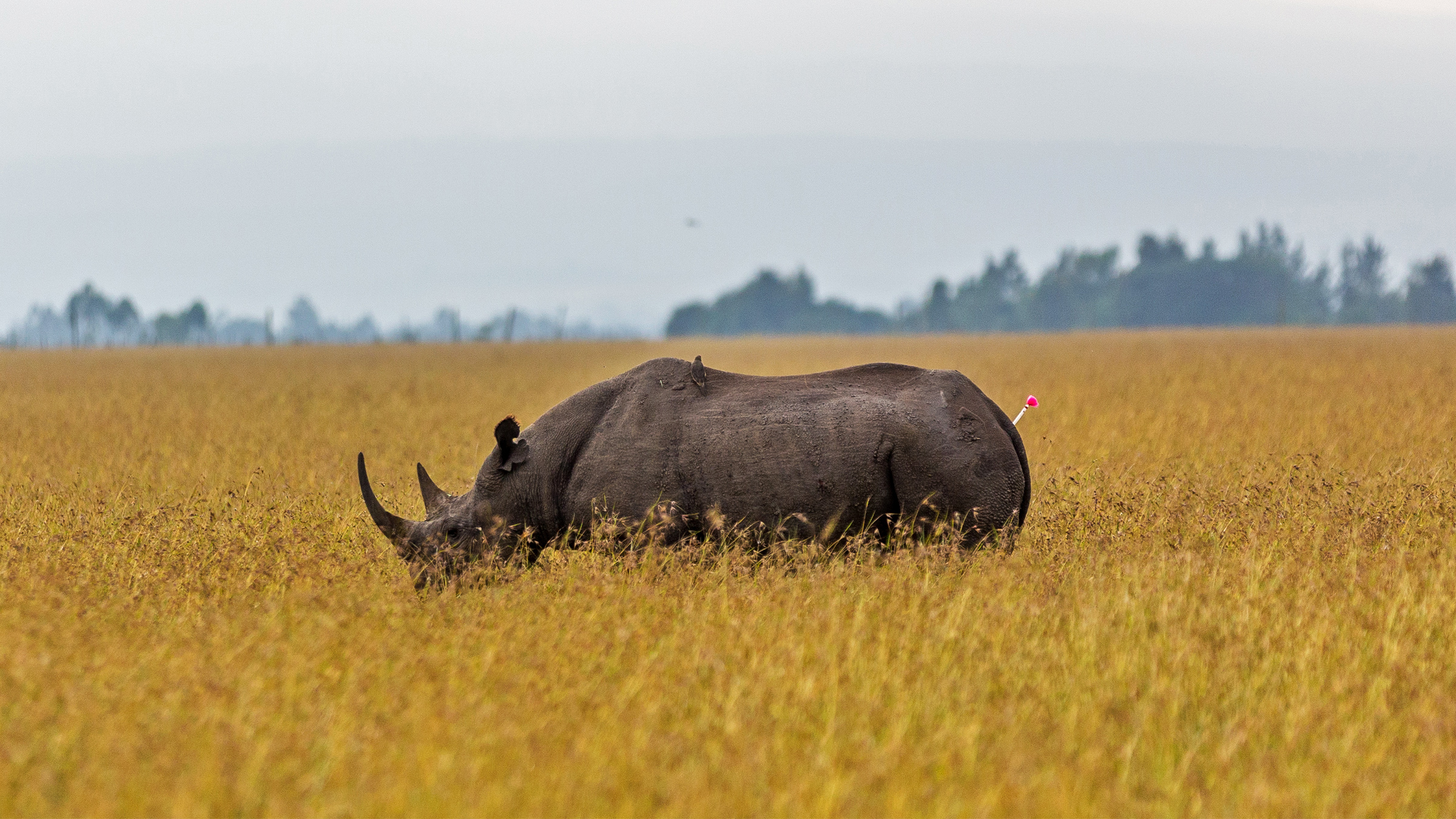
Black rhino Kenya populations represent one of conservation’s most important success stories. A species reduced to fewer than 2,500 individuals globally by poaching and habitat loss now has Kenya hosting approximately 900 black rhinos — nearly 40 percent of the world’s entire population. Kenya’s network of fenced sanctuaries, privately managed conservancies, and national park protection programs has driven a steady population increase since the 1980s. This makes Kenya one of Africa’s most reliable destinations for travelers specifically seeking a black rhino sighting. Unlike the white rhino’s more accessible and gregarious nature, the black rhino is genuinely secretive, aggressive, and difficult to approach in the dense thornbush habitats it prefers. Every black rhino encounter is a significant wildlife achievement rather than a routine park drive observation. African Wild Trekkers includes black rhino sanctuaries in Kenya itineraries for clients who identify rhino as a high-priority wildlife objective.
Kenya’s Best Black Rhino Sanctuaries
Ol Pejeta Conservancy
Ol Pejeta Conservancy in Laikipia hosts the largest population of black rhino in East Africa — approximately 135 individuals within the conservancy’s 364-square-kilometre fenced area — making it the single most reliable black rhino sighting destination in Kenya. The conservancy maintains 24-hour armed ranger patrols, individual rhino monitoring by ID chip and horn profile, and a veterinary program that intervenes in injured animals and manages reproductive health across the population. This management intensity creates superior black rhino encounter conditions — rangers know exactly where each rhino spent the previous night, which water sources it used, and which direction it was moving at dawn. This information reaches game drive guides through a daily briefing that makes black rhino location a starting point rather than an endpoint for the morning’s search. Ol Pejeta also hosts the world’s last two northern white rhinos — Najin and Fatu, both female — in a specially managed enclosure with a visitation program whose fees contribute to the northern white rhino assisted reproduction project.
Ol Pejeta’s black rhino encounters typically occur in the early morning and late afternoon when animals move between resting and water. The fenced perimeter ensures every rhino within the area is available for encounter without the possibility of individuals ranging beyond ranger protection zones. Female rhinos with calves are the most commonly encountered social unit — black rhino bulls are largely solitary except during mating — and provide particularly emotional encounters when mother and calf appear at a waterhole together. The calf’s distinctive angular head profile and prehensile upper lip are visible at close range as it stays beside the vehicle’s observation distance. African Wild Trekkers recommends Ol Pejeta specifically for clients visiting Kenya with a defined black rhino objective. The conservancy’s combination of rhino, lion, cheetah, wild dog, and northern white rhino visitation makes it one of Kenya’s most wildlife-dense single-destination experiences regardless of rhino-specific interest.
Lewa Wildlife Conservancy and Lake Nakuru
Lewa Wildlife Conservancy in Laikipia adjoins Ol Pejeta to the northeast and hosts approximately 70 black rhinos within its 250-square-kilometre fenced sanctuary. Lewa’s rhino conservation program preceded Ol Pejeta’s in scale and established the intensive private sanctuary model that Kenya’s rhino recovery network has since replicated across the country. The conservancy’s topography creates two distinct black rhino encounter environments within a single visit: open moorland at higher elevations produces dramatically backlit rhino photographs against highland sky, while the valley woodland encounters require slower, more careful approach through acacia scrub that the rhino uses as daytime cover. Lewa holds UNESCO World Heritage Site status jointly with Mount Kenya National Park and Forest Reserve, recognizing its ecological function as a biodiversity corridor between the Northern Frontier and Kenya’s highlands.
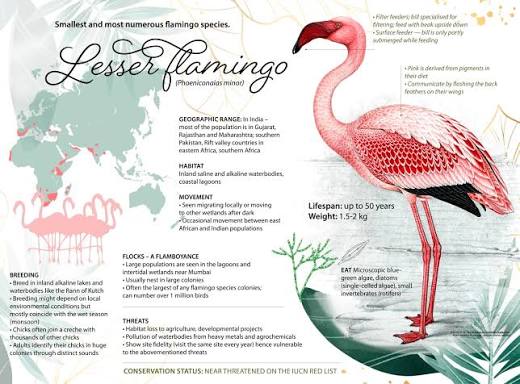
Lake Nakuru National Park hosts approximately 25 black rhino within its fenced 188-square-kilometre sanctuary — a smaller population than Ol Pejeta and Lewa but concentrated in a compact area that makes rhino encounter probability per game drive hour extremely high relative to the park’s modest $53 entrance fee. The lake’s flamingo, Rothschild giraffe, white rhino, and lion concentration make Lake Nakuru a genuinely comprehensive wildlife destination for its size, and the black rhino sanctuary within the park’s yellow fever tree woodland produces close encounters with individuals that rangers monitor by name and behavioral profile. Lake Nakuru sits two hours from Nairobi by road, making it the most economically accessible black rhino sighting destination in Kenya — a strong option for travelers on shorter itineraries who cannot justify a full Laikipia conservancy visit specifically for rhino. African Wild Trekkers recommends Lake Nakuru for the one-day Rift Valley extension from Nairobi that fits a tight Kenya schedule.
Understanding Black Rhino Behavior
Why Black Rhino Are Difficult to Approach
The black rhino’s reputation as Africa’s most unpredictable large mammal reflects genuine behavioral characteristics — a highly territorial species with very poor eyesight that compensates with acute hearing and smell, producing a threat-response system that charges first and investigates afterward when uncertain stimuli trigger alarm. Vehicle encounters with black rhino require slow, quiet approach with the engine cut before the final positioning distance, and the vehicle must remain downwind to prevent the olfactory detection that triggers a defensive charge even from a stationary rhino that has not yet identified the vehicle visually. A black rhino charge is not necessarily a full commitment to contact — the species uses bluff charges to assess threats, stopping short of actual contact when the stimulus does not continue after the initial approach. Knowing the difference between a bluff charge and a committed charge requires years of specific experience with black rhino behavior.
Black rhino calves are the behavioral variable most likely to produce aggressive maternal behavior. A cow with a calf is significantly more reactive to vehicle approach than a solitary adult. Guides in managed sanctuaries know from the daily briefing whether any resident females currently have a young calf requiring a greater standoff distance. The calf’s position relative to the mother indicates the degree of maternal alertness: a calf grazing independently 20 metres from the mother signals lower alert than a calf pressed against the mother’s flank while she faces the vehicle with raised head. These behavioral nuances take years of specific black rhino experience to read accurately. The quality difference between a Laikipia guide with a decade of daily rhino work and a general Kenya safari guide who occasionally encounters rhino at Lake Nakuru is the difference between an educational and safe encounter and one that depends entirely on the rhino’s decision not to charge.
White Rhino vs Black Rhino in Kenya
Kenya hosts both white and black rhino in its protected areas, and travelers often confuse the two species despite their genuinely significant differences. The white rhino’s name derives from the Afrikaans “wyd” (wide), referring to its broad flat mouth adapted for grazing short grasses — a completely different feeding adaptation from the black rhino’s prehensile upper lip designed to browse thorny shrubs and tear fruit from branches in dense bush habitat. White rhinos are significantly larger — bulls reach 2,300 kilograms versus the black rhino’s 1,400 kilograms — and their docile, grassland-grazing social groups of two to six individuals create a fundamentally different encounter character from the solitary, dense-cover black rhino. Southern white rhinos were successfully reintroduced to Ol Pejeta, Lake Nakuru, and Meru National Park, and their relative docility makes them an easier encounter — they rarely charge vehicles and often allow close approach while continuing to graze.
Meru National Park in Kenya’s central region hosts a combined white and black rhino sanctuary — the Rhino Sanctuary covers 4,800 hectares of protected habitat — and offers the opportunity to encounter both species in the same day’s game drives within the sanctuary’s boundaries. Meru’s wildlife extends beyond rhino to significant lion, leopard, and elephant populations, and the park’s connection to George Adamson and Elsa the Lioness (Born Free) gives it a historical depth that parks with more recent conservation histories lack. African Wild Trekkers builds Meru National Park into Kenya itineraries for clients who prioritize rhino conservation and want to understand the full range of Kenya’s rhino protection infrastructure rather than visiting only the Laikipia conservancies that receive most of the black rhino safari attention.
Plan Your Safari
Black rhino Kenya encounters require selecting sanctuaries with the highest population densities and most experienced ranger briefing infrastructure. Ol Pejeta, Lewa, and Lake Nakuru represent the three best options depending on your itinerary length and budget. African Wild Trekkers confirms ranger briefing access and guide rhino expertise at each destination before placing clients at specific conservancies.
Your Kenya black rhino safari package includes conservancy accommodation at Ol Pejeta or Lewa, a private 4×4 game drive vehicle with an experienced rhino-specialist guide, conservancy fees, full-board meals, and all inter-destination transfers. We coordinate the northern white rhino visitation at Ol Pejeta for clients who specifically request this once-in-a-lifetime experience.
Contact African Wild Trekkers at africanwildtrekkers.com/contact with your travel dates and we will confirm black rhino Kenya availability and send a complete itinerary within 24 hours.