Kenya Birding Guide: East Africa’s Premier Birding Destination
The Kenya birding guide for serious birdwatchers begins with 1,144 recorded bird species, about 11 percent of global diversity.
Kenya covers less than 0.4 percent of Earth’s land area. Yet it supports extraordinary avian diversity across many ecosystems.
These ecosystems include coastal mangroves, Rift Valley lakes, savannas, highland forests, and semi-arid northern bushlands.
No single safari covers all habitats. However, a well-planned circuit can exceed 400 species in one week.
African Wild Trekkers designs specialist Kenya birding safaris. These itineraries pair clients with expert bird guides.
Kenya’s Top Birding Destinations
Lake Baringo and Lake Bogoria: Rift Valley Birding
Lake Baringo hosts over 450 bird species within its basin. It is Kenya’s richest freshwater birding site.
Waterbirds include African fish eagle, herons, storks, and openbill species. These thrive in fish-rich freshwater conditions.
Acacia woodlands add dry-country species. These include hornbills, starlings, and colorful sunbirds.
Boat trips produce 80 to 120 species in two hours. This makes Baringo highly productive for birders.
Pel’s fishing owl appears in riverside fig trees at night. This is a key highlight species.
Lake Bogoria complements Baringo with alkaline lake species. Flamingos dominate Bogoria’s shoreline habitats.
The two lakes are 90 minutes apart. This allows efficient dual-habitat birding.
Combined visits produce 180 to 220 species in two nights. This is ideal for serious birders.
African Wild Trekkers integrates both lakes into northern Kenya circuits. These link easily with Samburu routes.
Samburu and Kakamega Forest
Samburu National Reserve offers Kenya’s most unique bird assemblage. It features semi-arid adapted species.
Notable birds include Somali ostrich, vulturine guineafowl, and golden-breasted starling. Raptors are also common.
Riverine zones support additional bird diversity. This includes kingfishers and bee-eaters.
Birders can record 200 to 250 species in three days. This requires a specialist guide.
Martial eagles are frequently seen hunting. Their size makes them a key attraction.
Kakamega Forest is Kenya’s only equatorial rainforest remnant. It holds West African forest species.
Species include great blue turaco, hornbills, and flycatchers. These are rare in East Africa.
A two-night stay delivers high forest species counts. It is essential for western Kenya birding.
African Wild Trekkers offers Kakamega as a circuit extension. It is ideal for specialist birders.
Maasai Mara Birding Highlights
The Maasai Mara is primarily known for mammals. However, it supports over 500 bird species.
Morning game drives can yield 80 to 100 species. This is especially true in peak seasons.
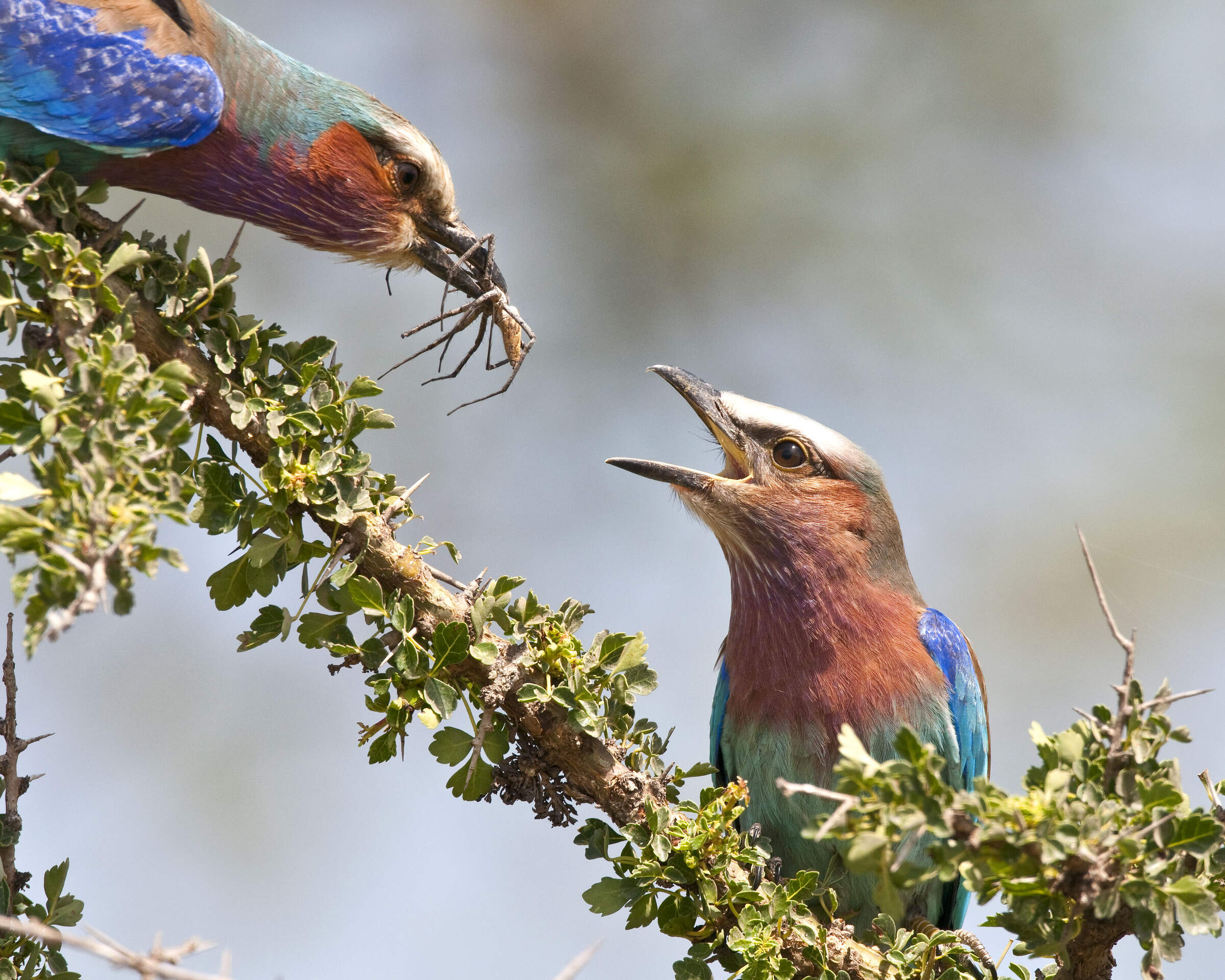
Savanna birds include secretary bird, kori bustard, and lilac-breasted roller. These are iconic species.
Riverine areas host fish eagles and buzzards. Raptors are highly visible along the Mara River.
Superb starlings are common around camps. They are one of the most photographed birds.
Migratory species arrive between October and April. These increase seasonal diversity significantly.
European rollers and wagtails are common migrants. Raptors also increase during this period.
African Wild Trekkers assigns specialist guides in the Mara. This enhances birding accuracy and listing.
Planning Your Kenya Birding Checklist
Kenya birding safaris require multi-habitat planning. Each ecosystem contributes different species groups.
Bird activity peaks early morning and late afternoon. These are the most productive observation times.
Binoculars are essential for accurate identification. Recommended strength is 8×42 magnification.
Apps like Merlin Bird ID improve field identification. Sound recognition is especially useful.
Checklists help track species across regions. eBird is the most reliable planning tool.
Specialist guides significantly increase species counts. They know precise birding locations.
African Wild Trekkers provides ornithology-trained guides. These maximize species identification accuracy.
Typical safari lists range from 300 to 400 species. This depends on itinerary design and duration.
Plan Your Safari
Kenya birding safaris require targeted habitat coverage. No single park delivers complete species diversity.
African Wild Trekkers designs multi-zone birding itineraries. These combine forests, lakes, and savannas.
Each package includes specialist guides, transport, and accommodation. Park fees are fully covered.
Contact African Wild Trekkers at africanwildtrekkers.com/contact with your travel dates and target species. We will design your itinerary within 24 hours.