Mara North Conservancy: The Mara’s Best-Kept Secret
What Makes Mara North Different
Location and Territory Overview
Mara North Conservancy occupies approximately 63,000 acres of prime Maasai Mara ecosystem on the northern boundary of the national reserve. Maasai landowners in the Lemek area lease land under agreements that direct conservancy fees into monthly household payments, ensuring direct community benefit from wildlife conservation.
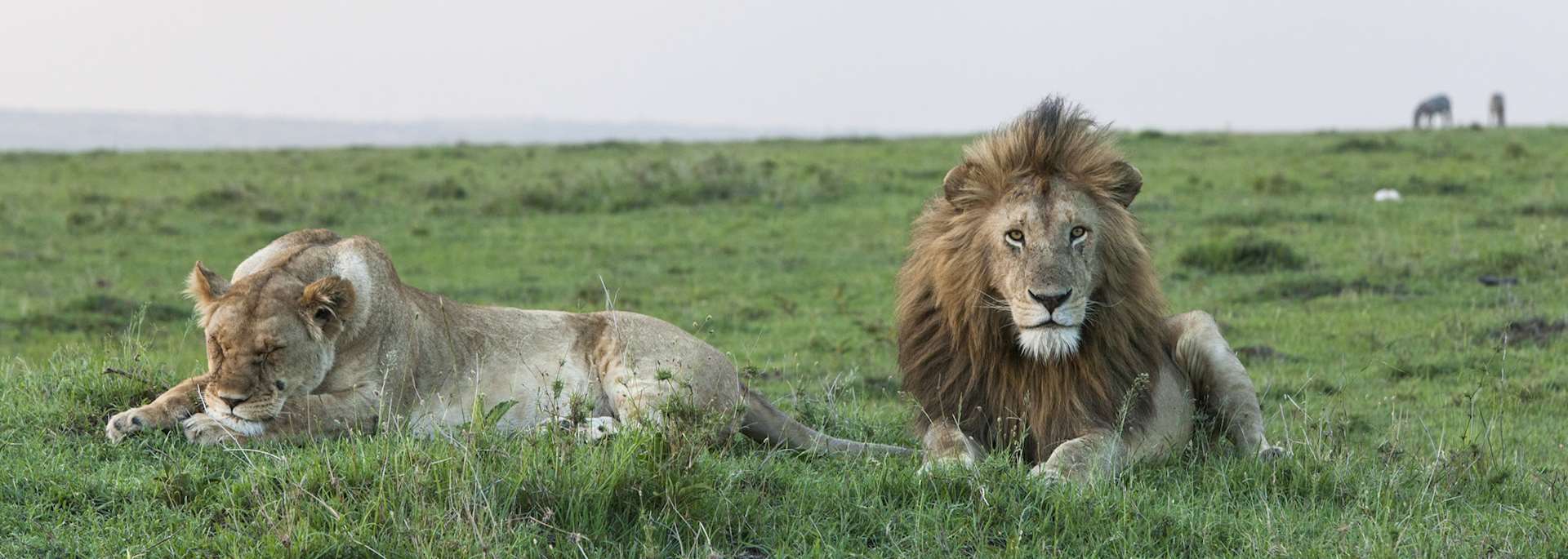
The conservancy’s position allows free wildlife movement between the national reserve and conservancy depending on grazing conditions and migration patterns. During July through October, the migration enters Mara North in comparable numbers to the reserve, while resident predators maintain year-round wildlife quality regardless of season.
The northern location also allows earlier migration arrival, typically one to two weeks before peak reserve concentrations, offering a quieter early migration experience.
The conservancy management limits the number of camps operating within its boundaries and enforces strict vehicle density controls at sightings. This prevents overcrowding common in the national reserve during peak season.
A single conservancy sighting may involve three to four vehicles, compared to fifteen to thirty in the reserve. This difference consistently defines the conservancy experience as more exclusive and less congested. Guests often identify this reduced vehicle density as the key advantage of Mara North over the national reserve.
Wildlife Specialisms: Cheetahs and Wild Dogs
Mara North Conservancy is widely recognized for reliable cheetah sightings due to its open plains and excellent hunting terrain. Female cheetahs with cubs frequently den in the grasslands, allowing long-term observation of family development. The open landscape supports uninterrupted hunting sequences, giving photographers clear tracking opportunities across open ground.
African wild dogs appear intermittently, moving across large territories that extend beyond conservancy boundaries. When present, coordinated guide networks track pack movements through radio communication. This allows guests to observe hunting, resting, and social behavior when packs enter the conservancy. Sightings depend on timing and ecosystem-wide tracking, making them unpredictable but highly rewarding.
Camps in Mara North Conservancy
Mahali Mzuri, Elephant Pepper and Offbeat Mara
Mahali Mzuri sits on a raised ridge overlooking open plains and offers twelve luxury tented suites with an infinity pool facing the landscape. The camp combines high-end comfort with strong guiding focused on cheetah territory and year-round wildlife movement. All conservancy activities are included, ensuring seamless access to game drives, night drives, and bush walks.
Elephant Pepper Camp provides a smaller and more intimate experience with close guest-host interaction. Its location near elephant movement corridors delivers frequent sightings directly around camp. The setting emphasizes immersion and proximity to wildlife rather than large-scale luxury infrastructure.
Offbeat Mara Camp offers a minimal-impact bush experience with unfenced boundaries and a strong focus on natural history guiding. The camp prioritizes education, walking safaris, and ecological interpretation over high-density luxury amenities.
Night Drives and Walking Safaris
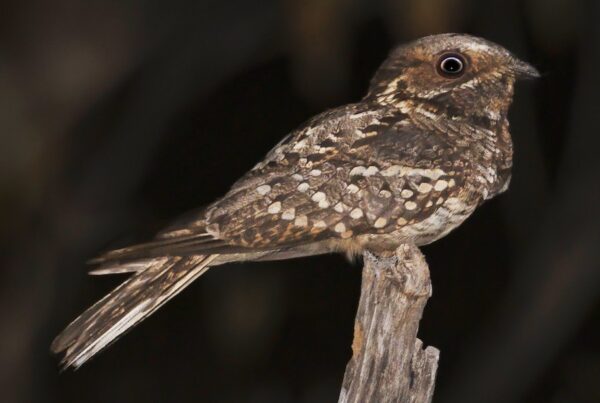
Night drives in Mara North reveal species absent during daytime activity. Aardvarks emerge to dig termite mounds, civets patrol territorial routes, and spring hares cross open grasslands under spotlight. Serval cats hunt in short grass zones, while lions begin nocturnal movement and hunting behavior shortly after dusk. Guides use prey movement patterns to track predators, creating highly skilled night navigation experiences.
Walking safaris with armed Maasai rangers provide ground-level ecosystem immersion. Guests observe tracks, soil patterns, and vegetation structure that are invisible from vehicles. The experience highlights insect activity, bird calls, and micro-ecosystem detail that define the bush environment. Cultural context is integrated naturally through Maasai knowledge of land use, wildlife coexistence, and ecological history.
Practical Information for Mara North
Getting There and Booking
Access to Mara North is via flight from Nairobi’s Wilson Airport to Ol Kiombo or Keekorok airstrips, followed by a 30 to 60-minute transfer into the conservancy. The transfer provides an initial contrast between national reserve and conservancy conditions. Road access from Nairobi via Narok takes four to five hours and allows gradual landscape transition from highlands to savanna.
Peak season camps often book six to twelve months in advance due to limited capacity and high demand. July to September is the most competitive period for availability. Shoulder months such as June, October, and November offer better availability and lower rates with strong wildlife activity. Early planning is essential for peak migration travel dates.
Plan Your Safari
Mara North Conservancy delivers one of the highest-quality Maasai Mara safari experiences through low vehicle density, strong guiding, and diverse wildlife activity. African Wild Trekkers assists in selecting camps based on priorities such as cheetah viewing, wild dog tracking, night drives, or luxury accommodation standards.
Packages include conservancy accommodation, internal flights from Nairobi, airstrip transfers, all fees, and guided activities including game drives, walking safaris, and night drives where permitted. Multi-destination Kenya itineraries can also be integrated seamlessly.
Contact African Wild Trekkers at africanwildtrekkers.com/contact with your travel dates, and we will confirm availability and design your Kenya safari itinerary within 24 hours.