Arusha to Zanzibar: How to Combine Safari and Beach Seamlessly
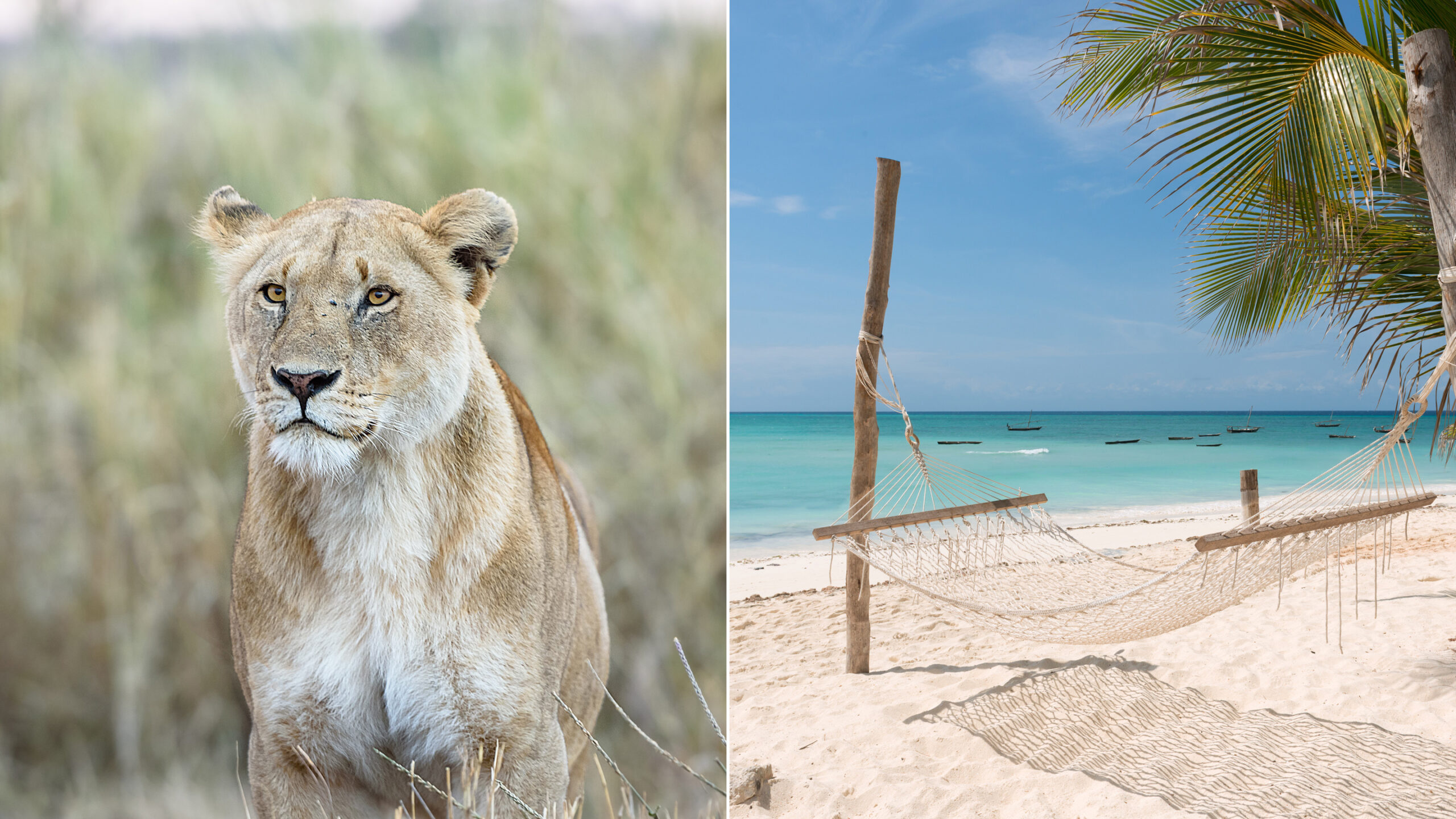
The Arusha to Zanzibar itinerary is Tanzania’s most popular travel combination and one of the most satisfying journeys available in East Africa. Starting with the wildlife intensity of the northern safari circuit — Serengeti, Ngorongoro, Tarangire — and ending with the coral reefs, spice gardens, and Indian Ocean beaches of Zanzibar Island creates a trip with an internal arc of contrast and completeness that few single-destination holidays can match. The transition from dust, dawn game drives, and lion encounters to beach chairs, fresh seafood, and warm Indian Ocean swimming is as dramatic as any journey can be while remaining logistically simple, and most travellers who complete this combination describe it as the defining travel experience of their lives.
The combination works so well because both elements make entirely different demands on the traveller. Safari requires early rising, alertness, and physical engagement with the natural environment. Zanzibar invites precisely the opposite: late mornings, slow meals, and the particular pleasure of having nothing urgent to do. The sequence — safari first, beach second — is the right order for almost every traveller, allowing the physical and mental energy of the safari experience to be followed by genuine rest rather than beginning a trip already depleted from travel. Understanding how to connect these two elements — the logistics, timing, and what to include in each leg — is the core practical knowledge for planning this itinerary successfully.
The Safari Leg: Northern Circuit from Arusha
Designing the Game Drive Circuit Before Zanzibar
Which Parks to Include and for How Long
The northern Tanzania safari circuit accessible from Arusha includes Tarangire National Park, Lake Manyara National Park, the Serengeti, and Ngorongoro Crater Conservation Area. For an Arusha-to-Zanzibar itinerary of two weeks total, allocating seven to eight days to the safari leg gives sufficient time to cover two or three parks meaningfully without rushing between them. The Serengeti plus Ngorongoro Crater combination is the most essential core, providing open savannah predator drama at the Serengeti and the unique enclosed ecosystem experience of the crater floor. Adding Tarangire for its legendary dry-season elephant concentrations and ancient baobab trees extends the circuit by one or two days and introduces a distinctly different landscape character.
Lake Manyara is sometimes a transit stop between Tarangire and the Serengeti and works well as a half-day experience rather than a full overnight stay if the overall itinerary is tight. The Manyara flamingo flocks on the soda lake — sometimes numbering in the tens of thousands — and the park’s famous tree-climbing lions make it a worthwhile addition even for travellers already satisfied with big cat sightings elsewhere. For first-time visitors with two weeks for the full Arusha-to-Zanzibar combination, the sequence Tarangire (2 nights), Serengeti (3-4 nights), Ngorongoro (1 night) provides the best balance of park variety and depth of experience within the safari budget of a typical itinerary.
Dry Season vs Green Season Safari Timing
The timing of the safari leg relative to Zanzibar affects both wildlife quality and beach conditions. The dry season from June through October provides the best game viewing on the northern circuit — thinning vegetation concentrates animals at water, the Mara River crossings in the northern Serengeti peak from July through September, and clear skies make for excellent photography. However, the dry season also coincides with Tanzania’s most crowded and expensive safari period, when lodge accommodation in the best locations books out many months in advance and vehicle concentrations at peak sightings can be high.
The green season from November through April offers lower prices and fewer visitors on the northern circuit, with outstanding calving season wildlife around Ndutu from December through March. Zanzibar during this period has its own trade-off: the short rains in November and the long rains from March through May bring mixed beach weather, though the actual rainfall in Zanzibar during these periods is highly variable and does not necessarily ruin a beach holiday. Many travellers who visit in the green season report excellent weather at both destinations, but should set expectations for the possibility of afternoon showers rather than guaranteed sunshine every day.
Getting From Arusha to Zanzibar
Flight Options and Transfer Logistics
Direct Flights from Kilimanjaro Airport to Zanzibar
The most direct flight connection from the Arusha area to Zanzibar is from Kilimanjaro International Airport (JRO), approximately 45 minutes from Arusha city, to Abeid Amani Karume International Airport (ZNZ) in Zanzibar. Precision Air, Air Tanzania, and occasionally other regional carriers operate this route with daily departures, and the flight takes approximately 45 minutes to one hour. This direct connection eliminates the need to transit through Dar es Salaam, saving several hours of travel on a day when you are typically completing your final safari morning before departing. Your safari operator arranges the Kilimanjaro Airport transfer as part of the itinerary, and the timing of your final safari game drive is planned around the flight departure time.
Some itineraries route through Dar es Salaam, either because the direct JRO-ZNZ route has no suitable departure time for your final safari day, or because the connecting airfare via Dar is significantly cheaper. The Dar es Salaam route adds three to four hours of travel time and can be logistically more complex, particularly if the Dar es Salaam layover is short and the city traffic is heavy. Discuss both options with your operator and confirm which provides the better balance of timing, cost, and reliability for your specific itinerary dates.
Charter Flights from Safari Airstrips to Zanzibar
For guests ending their safari at a remote camp with its own airstrip — particularly in the Serengeti or the Ngorongoro Conservation Area — a direct charter flight from the park airstrip to Zanzibar is available as a premium option that eliminates the Arusha transit entirely. Your operator arranges these charter connections and can combine them with the final morning game drive to the airstrip, providing a seamless transition from bush to beach with a single aircraft change rather than a road transfer and commercial airport process. The cost is significantly higher than commercial connections through Kilimanjaro or Dar es Salaam, but for guests who value the seamlessness and the elimination of airport time, the premium is justified.
Whatever flight option you use, the moment of landing in Zanzibar after a week in the Serengeti is one of the great travel transitions — the sight of turquoise water, coral sand, and dhow sails from the aircraft window as you descend is the definitive visual signal that the second chapter of the journey is beginning. Planning for this arrival with your hotel transfer already confirmed, accommodation checked in advance for any special requests, and the first Zanzibar evening unscheduled except for dinner creates the ideal welcome to the island after the intensity of the safari phase.
The Zanzibar Leg: What to Include
Stone Town, Beaches, and Activities
Stone Town: A Non-Negotiable Starting Point
Almost every Arusha-to-Zanzibar itinerary should include at least a night in Stone Town before heading to the beach. The old city — a UNESCO World Heritage Site of extraordinary historical and architectural richness — provides the cultural and historical context that makes the rest of the Zanzibar experience comprehensible. The slave trade history at the Anglican Cathedral, the spice trade architecture of the Arab merchant houses, the carved wooden doors that are one of Zanzibar’s most recognisable visual signatures, and the labyrinthine lanes that disorient even experienced travellers are all concentrated within a walkable area that rewards exploration at a slow pace. The Forodhani Gardens waterfront food market opens each evening and provides the perfect introduction to Zanzibari food culture — dozens of stalls serving local street food, fresh seafood, and the unique Zanzibar mix soup at prices that make it one of the best food experiences in East Africa.
A good Stone Town guide — available through your hotel or operator — makes the historical neighbourhood dramatically more comprehensible and the visit more meaningful. Two hours with a knowledgeable local who can explain the social and political history visible in the architecture, point out details invisible to the uninformed eye, and navigate the disorienting lane system efficiently is worth every cost. Most Zanzibar operators include Stone Town orientation walks as a standard activity in two-night Stone Town packages, and the investment in a proper guided walk rather than self-guided wandering typically produces a much deeper engagement with one of Africa’s most historically significant urban environments.
Beach Time: Choosing Your Zanzibar Coast
After Stone Town, the choice of beach location determines the character of the Zanzibar beach leg. The east coast beaches — Paje, Jambiani, and Matemwe — are the most photogenic, with dramatic tidal flats that expose coral and sea grass at low tide and fill with clear turquoise water at high tide. The east coast is exposed to the Indian Ocean swell, which makes swimming conditions tide and season-dependent but provides excellent conditions for kitesurfing at Paje, which has developed into one of the premier kite destinations in the Indian Ocean. East coast resorts and guesthouses range from budget bandas to mid-range boutique properties, and the atmosphere is quieter and more secluded than the north coast.
The north coast around Nungwi and Kendwa offers calmer, swimmable water year-round due to the sheltered position at the island’s northern tip, and has the most developed beach bar and nightlife scene on the island. If swimming every day regardless of tide and sea conditions is the priority, the north coast provides more consistent conditions than the east. Nungwi village also has a good seafood restaurant scene that is less tourist-oriented than some Stone Town establishments, and the fishing community character of the village provides a contrast to the purely resort atmosphere of the beach hotels. Four to five nights at a Zanzibar beach property — whichever coast suits your priorities — gives enough time to genuinely settle in, snorkel the reef, take a spice farm tour, and eat your way through the island’s best restaurants without feeling like a checklist tourist.
Itinerary Template: Two Weeks Arusha to Zanzibar
A Practical Day-by-Day Structure
Seven Days Safari, One Transfer Day, Six Days Zanzibar
A practical two-week Arusha-to-Zanzibar itinerary structure allocates days one to two at Tarangire, days three through six in the Serengeti with a descent to Ngorongoro Crater on day five or six, day seven as a final morning game drive followed by transfer to Kilimanjaro Airport and flight to Zanzibar, Stone Town arrival and overnight on day seven evening, days eight and nine exploring Stone Town and environs, and days ten through thirteen at a Zanzibar beach property with day fourteen reserved for departure. This structure covers four distinct wildlife and landscape environments — the Tarangire baobab park, the open Serengeti plains, the Ngorongoro Crater floor, and the Zanzibar coral ecosystem — while allowing enough time at each to develop a genuine sense of place rather than a series of rushed overnight stops.
Adjustments to this template are straightforward depending on your priorities. If the Mara River migration crossings are the primary motivation for the safari, shifting all available safari days to the northern Serengeti in July or August and reducing the Tarangire time makes sense. If budget is a significant consideration, reducing to five safari nights and extending the Zanzibar beach time (where accommodation costs are lower) reduces the overall cost while maintaining the essential safari experience. Your operator should discuss these trade-offs with you at the itinerary design stage so that the final plan reflects your actual priorities rather than a generic template.
Plan Your Safari
The Arusha to Zanzibar combination works best when one Tanzania operator manages the safari, the connecting flight to Zanzibar, and the island accommodation in a single package. This ensures that flight timing coordinates with camp check-out, transfer vehicles are confirmed at both ends, and any itinerary adjustments needed for weather or wildlife conditions can be managed without navigating multiple separate bookings. Booking six to twelve months ahead for peak season July and August departures is essential for Serengeti accommodation at the best locations and for Zanzibar beach hotels that fill quickly during school holidays.
African Wild Trekkers designs and manages complete Arusha to Zanzibar combination itineraries at every budget level, from mid-range northern circuit lodges with a Zanzibar guesthouse to exclusive Serengeti migration camps followed by luxury private villas on the north coast. All connecting flights, park fees, guides, and activities are included in a single confirmed package. All reservations are confirmed in writing before any deposit is requested.
Contact African Wild Trekkers at africanwildtrekkers.com/contact with your preferred travel dates and party size and we will design your Arusha to Zanzibar itinerary and confirm full availability within 24 hours.