East Africa vs. Southern Africa Safari: Which Should You Choose?
The Fundamental Question for First-Time Africa Safari Visitors
For many travelers planning their first African safari, the initial and most confusing decision is not which specific park or country to choose. It is which broad region—East Africa or Southern Africa—that represents the better starting point. Both regions are excellent safari destinations with world-class wildlife
But they differ enough in character, ecosystem type, logistics model, and primary species emphasis that the choice genuinely matters. Make it consciously rather than defaulting to whatever marketing you encountered first. This guide provides an honest and specific comparison of East Africa and Southern Africa across the dimensions that most influence first-time safari decision-making.
The comparison is framed around the two regions’ most representative destinations. East Africa is represented through Tanzania’s Serengeti and Kenya’s Masai Mara. Southern Africa is represented through South Africa’s Kruger/Sabi Sand and Botswana’s Okavango Delta. These are the destinations that define each region’s safari identity in the international market. They represent the most common entry points for international first-time visitors.
Wildlife: The Most Important Comparison
What Each Region Delivers Specifically
East Africa’s Wildlife Advantage: Scale and Migration
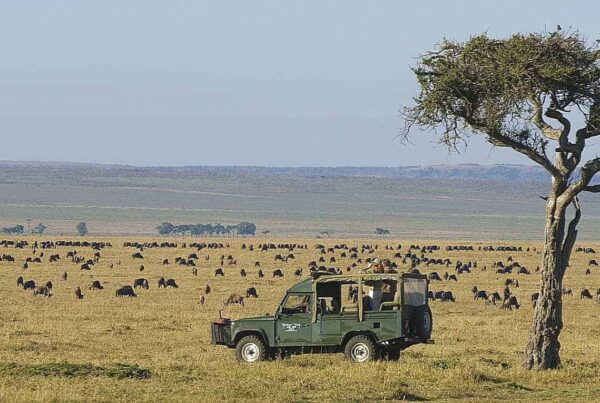
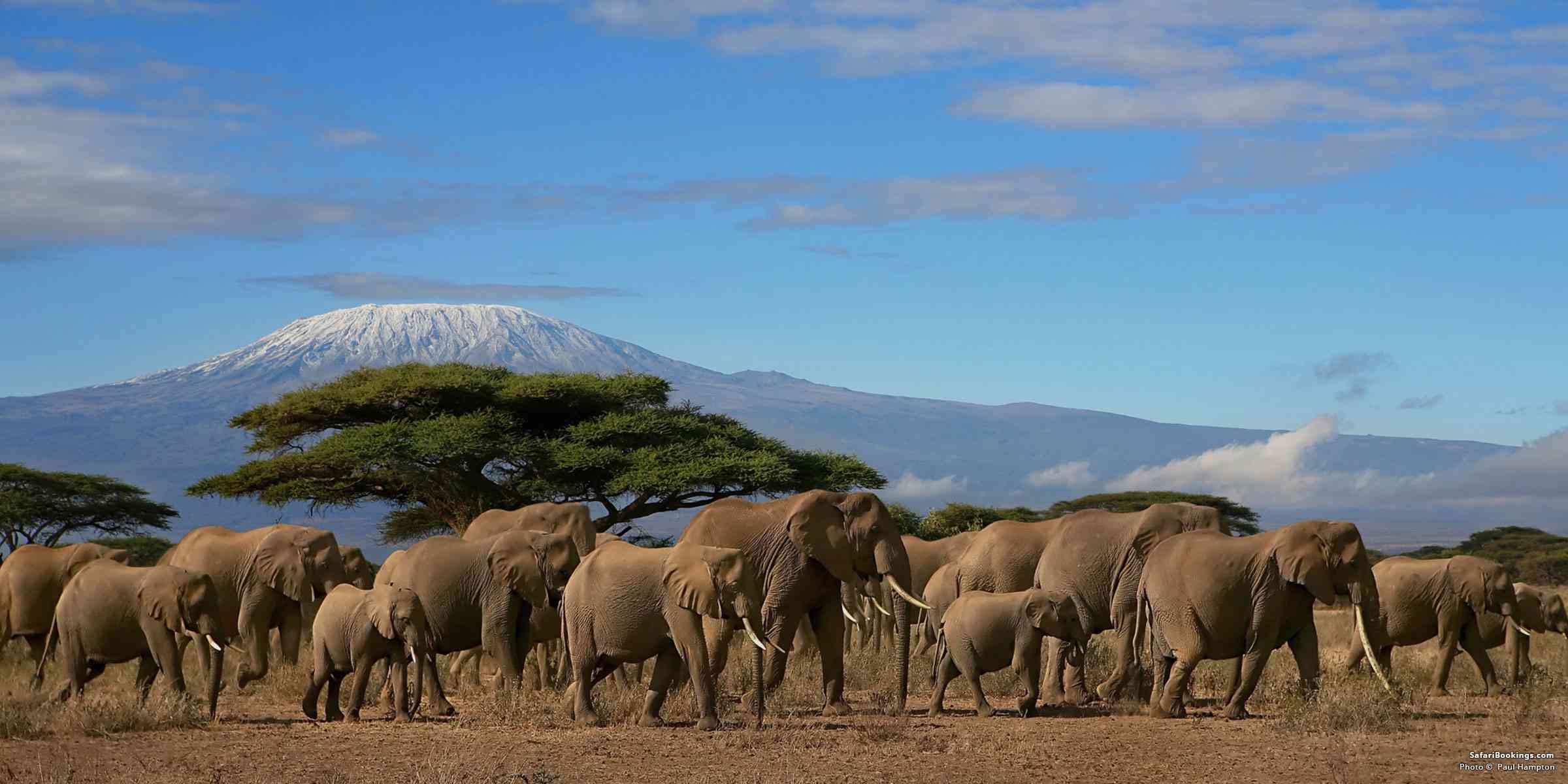
East Africa’s primary wildlife advantage over Southern Africa is scale. The Serengeti’s 1.5 million wildebeest migration is the largest land animal migration on earth. It simply does not exist in any equivalent form in southern Africa. The lion densities in Tanzania’s northern circuit. 3,000 lions in the Serengeti alone. Substantially exceed any Southern African protected area of comparable size.
The sheer volume of large mammal encounters per game drive day in East Africa typically exceeds Southern Africa’s best parks. The visual spectacle of vast herds of wildebeest, zebra, and gazelle moving across open plains creates a grandeur of scale that southern Africa cannot replicate.
East Africa is also the location of most of Africa’s remaining mountain gorillas. In Uganda and Rwanda. And of habituated chimpanzee populations in Uganda and Tanzania’s Mahale Mountains. These primate experiences are simply not available in Southern Africa.
Southern Africa offers different primate species at lower intimacy levels. For travellers whose safari interests include great ape encounters as a priority, East Africa is the only region that provides them.
Southern Africa’s Wildlife Advantages: Activities and Private Reserves
Southern Africa’s wildlife advantage over East Africa is not in volume but in the depth of encounter enabled by a different activity model. South Africa’s private game reserves adjacent to Kruger. Sabi Sand, Timbavati. And Thornybush. Offer habituated leopard sightings with a reliability that Tanzania’s parks cannot match. Multiple close-range leopard encounters per week are routine rather than exceptional in these reserves.
Walking safaris in Zimbabwe’s Mana Pools and Zambia’s South Luangwa reach a specialist level of development unequalled in East Africa. Night drives are standard in most Southern Africa private reserves. They reveal the nocturnal predator dimension of African wildlife that Tanzania-only safari visitors simply cannot access.
Botswana’s Okavango Delta adds a water-based safari character. Canoe safaris and boat transfers. And island walking. That Tanzania’s land-locked national parks cannot provide. For travelers seeking an East African-style savannah experience alongside water-based wildlife observation, a Botswana leg provides this diversity within a Southern Africa itinerary framework. Southern Africa also offers South Africa’s Cape Town and Garden Route as world-class post-safari travel experiences. These have no equivalent in Tanzania or Kenya’s post-safari options.
Cost Comparison
What Each Region Costs for an Equivalent Experience
East Africa’s Wider Price Range
East Africa provides a wider range of accommodation price tiers than Southern Africa. This makes genuinely excellent safari experiences accessible at mid-range budgets that Southern Africa’s most exclusive destinations cannot match. Tanzania’s northern circuit in a mid-range lodge at USD 300 to 500 per person per night delivers world-class wildlife quality.
It is the same Serengeti, the same lions, and the same migration that luxury guests at USD 1,500 per night experience. This price range does not exist in Botswana’s Okavango or in South Africa’s top private reserves. The minimum entry point for genuinely quality experiences is significantly higher in those destinations.
Southern Africa’s cost structure reflects its higher-exclusivity model. Botswana deliberately restricts visitor numbers through high per-night costs (USD 800 to 2,000 per person per night). South Africa’s best private reserves (Sabi Sand and Singita) command equivalent premium rates. Budget options exist in South Africa. Self-drive in the public Kruger National Park using the rest camp system is inexpensive and effective.
But these are not comparable to the guided private reserve experience that defines South Africa’s safari reputation internationally. For travellers on mid-range budgets of USD 400 to 600 per person per day, East Africa delivers dramatically better value than Southern Africa’s equivalent tier.
Accessibility and Logistics
Getting There and Moving Around
Flight Access and Logistical Complexity
Both regions are accessible from Europe and North America by long-haul flight. Connection hubs for East Africa include Nairobi, Addis Ababa, Amsterdam, or London. Southern Africa uses Johannesburg or Cape Town. The internal logistics differ. East Africa relies primarily on internal charter flights between destinations. Southern Africa combines self-drive (particularly in South Africa and Namibia) with fly-in access to remote Botswana and Zambia destinations. For travelers who prefer managed, guided experiences where all logistics are handled by an operator, both regions work equally well.
For self-drive enthusiasts, Southern Africa’s road network and self-drive culture in South Africa are more developed than East Africa’s equivalent.
East Africa’s first-time visitor experience is arguably more straightforward than Southern Africa’s equivalent level. The northern Tanzania circuit is a well-packaged, structured product with established logistics that operators manage fluently. You arrive in Arusha; a vehicle and guide meet you. And the safari unfolds without requiring decisions that the operator has not already anticipated.
Southern Africa’s greater diversity of destinations, countries, and activity types can create more complex itinerary decisions for first-time visitors. Experienced Africa travelers find these decisions interesting. First-timers without good operator guidance can find them overwhelming.
The Recommendation: Which Region for Your First Safari?
Making the Decision Based on Your Specific Priorities
Start With East Africa If…
Start with East Africa if the wildebeest migration is on your must-see list. Start with East Africa if great ape trekking is a priority alongside savannah wildlife. Start with East Africa if your budget is in the USD 300 to 600 per person per night range and you want maximum wildlife value. Or if this is your first Africa safari and you want the most structured and reliably spectacular introduction to the continent’s wildlife. Tanzania’s northern circuit is the most consistently impressive first-safari destination in Africa.
The combination of lion density, elephant numbers, migration herds, and Ngorongoro Crater delivers a breadth of wildlife encounters that first-time visitors find overwhelming in the best possible sense.
Start with Southern Africa if walking safaris and night drives are specific priorities. Start with Southern Africa if Botswana’s water ecosystem uniqueness appeals, if a South African-Cape Town combination makes geographic sense, or if habituated leopard encounters at extreme close range matter more than migration spectacle or predator volume. Both regions are excellent, and the right answer is specific to your priorities.
The worst outcome is making the decision based on price alone without understanding the experiential differences. You may end up in the wrong region for what you specifically wanted from the trip.
Plan Your Safari
Choosing between East Africa and Southern Africa is ideally done in conversation with an operator who knows both regions well. You need an honest assessment based on your specific interests and budget. And travel dates rather than a steer toward their preferred product.
African Wild Trekkers specializes in East Africa and Tanzania, specifically. We can advise on whether an East Africa starting point suits your priorities or whether Southern Africa would better serve what you are looking for. Our knowledge of both regions comes from genuine field experience rather than promotional materials. We tell clients honestly when a different region is a better fit for their specific goals.
Contact African Wild Trekkers at africanwildtrekkers.com/contact with your travel dates, budget range, and top wildlife priorities. We will advise honestly on whether East Africa or Southern Africa better suits your first safari and confirm all Tanzania availability within 24 hours if East Africa is the right choice.