Wildebeest Migration Explained: Africa’s Greatest Wildlife Spectacle
What Is the Wildebeest Migration?
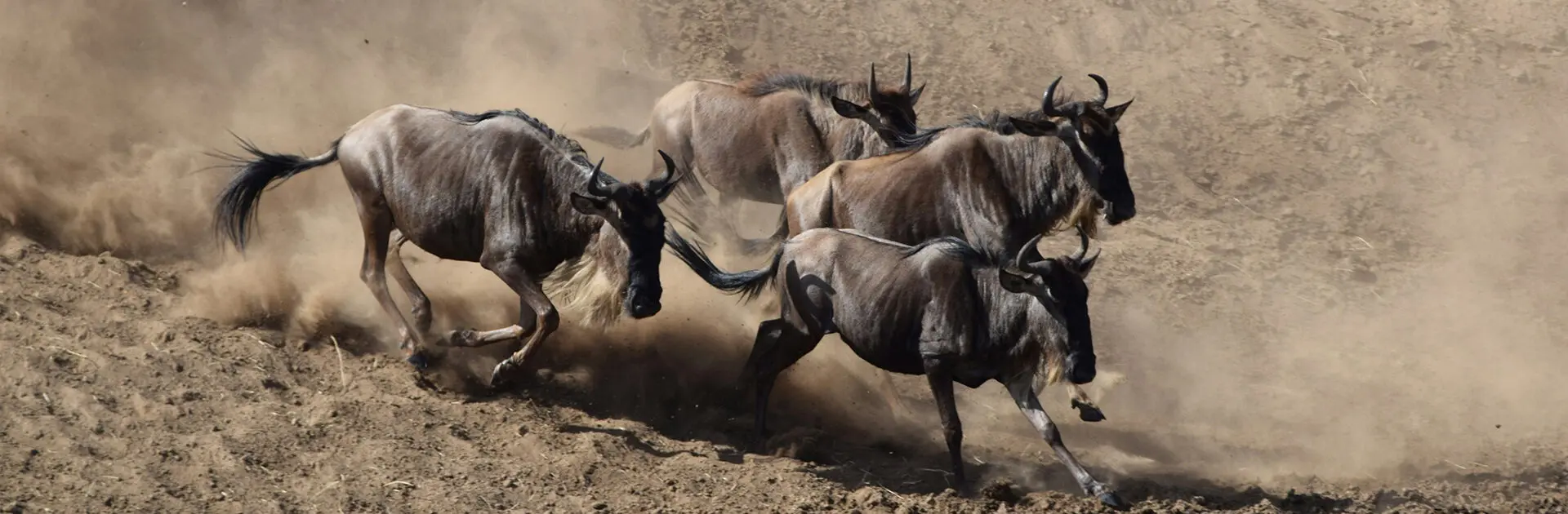
The wildebeest migration is the largest land animal migration on Earth. Every year, more than 1.5 million wildebeest, accompanied by hundreds of thousands of zebras and gazelles, travel across the plains of Tanzania and Kenya in search of fresh grass and water.
Known as the Great Wildebeest Migration, this remarkable journey follows seasonal rainfall and creates one of Africa’s most spectacular wildlife events. It is a continuous cycle rather than a single journey, with animals constantly moving to find the best grazing areas.
For many travelers, witnessing the migration is the highlight of an African safari.
Why Do Wildebeest Migrate?
The migration is driven by survival. Wildebeest depend on fresh grass and reliable water sources throughout the year. As rainfall patterns change, new grazing areas emerge while others become dry. The herds instinctively follow the rains, ensuring they have enough food to survive.
This movement also supports many other wildlife species. Predators such as lions, leopards, cheetahs, and hyenas follow the herds, while vultures and other scavengers benefit from natural losses along the route.
Where Does the Wildebeest Migration Take Place?
The migration takes place within the Serengeti-Mara ecosystem, which stretches across northern Tanzania and southern Kenya.
The journey begins in Tanzania’s Serengeti National Park before moving north toward Kenya’s Maasai Mara National Reserve. As the seasons change, the herds return to the Serengeti, completing the annual cycle.
This ecosystem is one of the most important wildlife conservation areas in Africa.
The Annual Migration Cycle
The migration follows a general pattern, although exact timings depend on rainfall.
From January to March, the herds gather in the southern Serengeti and the Ndutu area, where thousands of calves are born during the calving season. This period attracts many predators because young calves provide an easy food source.
Between April and June, the herds begin moving north through the central and western Serengeti as the grass starts to dry.
From July to October, many wildebeest reach the Mara River. This is the most dramatic stage of the migration, as thousands of animals cross crocodile-filled waters while avoiding strong currents and waiting predators. During November and December, seasonal rains encourage the herds to move back toward the southern Serengeti, where the cycle begins again.
The Famous Mara River Crossing
The Mara River crossing is one of the most iconic wildlife events in the world. Thousands of wildebeest gather along the riverbanks before making the dangerous crossing. The animals face fast-moving water, steep riverbanks, and large Nile crocodiles waiting beneath the surface.
Not every crossing happens at the same location or time. The herds move according to weather conditions and natural instincts, making each crossing unique.
Wildlife That Follows the Migration
The migration supports an incredible variety of wildlife. Lions patrol the grasslands in search of hunting opportunities. Cheetahs target young or isolated animals in open areas, while leopards wait in trees or dense vegetation.
Spotted hyenas, jackals, vultures, and marabou storks also benefit from the movement of the herds. The migration demonstrates how different species depend on one another within a healthy ecosystem.
Best Time to See the Wildebeest Migration
The best time depends on the experience you want. Travelers interested in the calving season should visit between January and March in the southern Serengeti.
Those hoping to witness the Mara River crossings should plan their safari between July and October in the northern Serengeti or Kenya’s Maasai Mara. Because the migration follows rainfall, wildlife movements may vary slightly each year.
Best Places to Experience the Migration
Serengeti National Park in Tanzania offers excellent viewing opportunities throughout the year because the migration spends most of its time there.
The Maasai Mara National Reserve in Kenya provides outstanding game viewing during the northern stage of the migration. Many safari itineraries combine both destinations to provide a complete migration experience.
Why the Wildebeest Migration Matters
The Great Migration is essential for maintaining the health of the Serengeti-Mara ecosystem. Grazing animals help renew grasslands, spread seeds, and support countless wildlife species.
Protecting migration routes ensures that this natural event can continue for future generations. Conservation efforts by Tanzania and Kenya remain vital for preserving one of the world’s greatest wildlife spectacles.
Plan Your Great Migration Safari
Planning a wildebeest migration safari offers an unforgettable opportunity to witness one of nature’s greatest events. Whether you watch thousands of calves take their first steps or experience the excitement of a Mara River crossing, every moment reveals the incredible power of the natural world.
Explore the Serengeti and Maasai Mara to experience Africa’s greatest wildlife journey and create memories that will last a lifetime.