Zebra Migration Facts: Understanding Africa’s Incredible Wildlife Journey
Zebra migration is one of Africa’s most remarkable natural events, yet it often receives less attention than the Great Wildebeest Migration. Every year, hundreds of thousands of plains zebras travel across the vast grasslands of Tanzania and Kenya in search of fresh grazing and reliable water sources. Their movement follows seasonal rainfall, allowing them to find nutritious vegetation throughout the year.
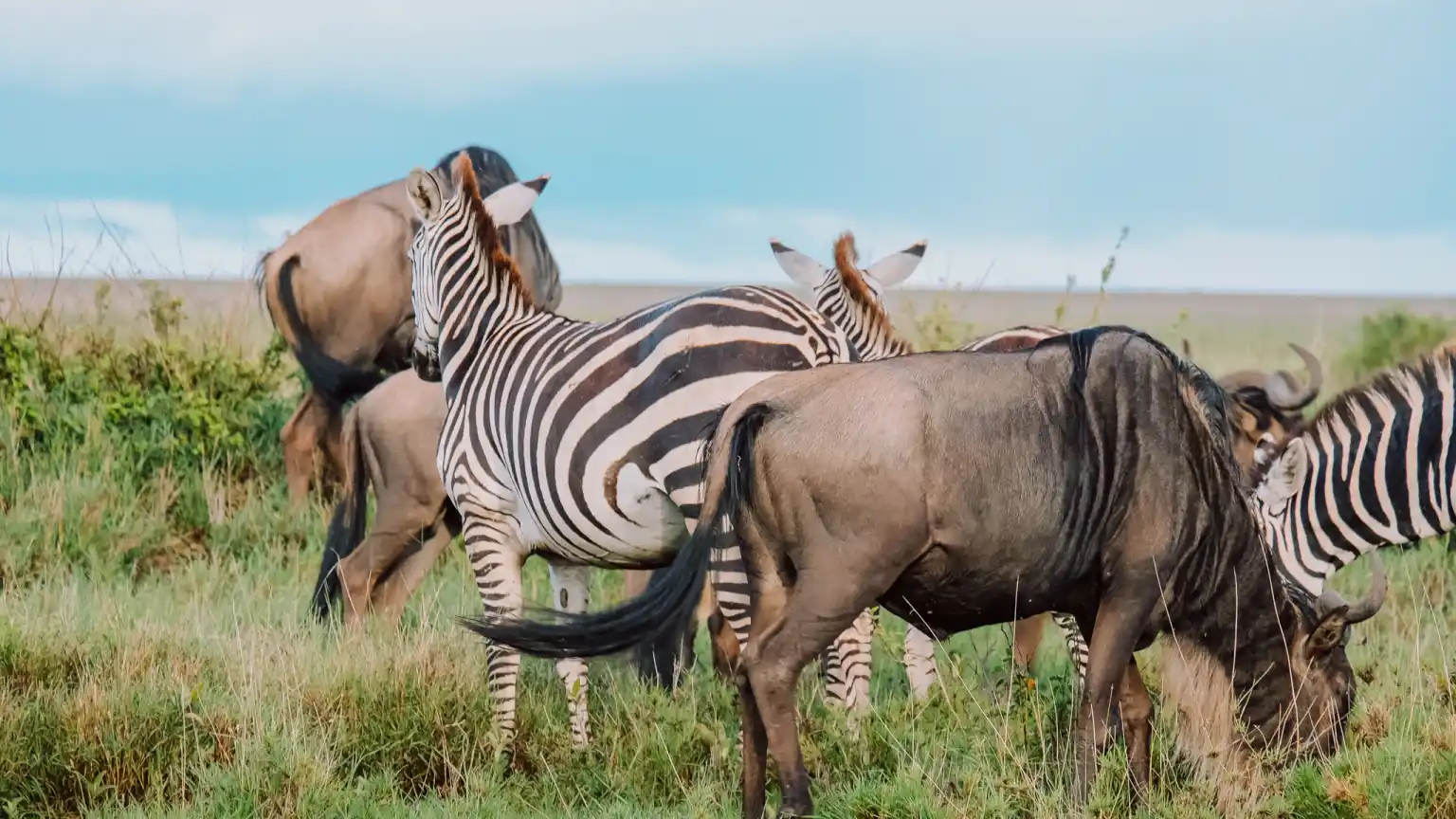
Zebras rarely migrate alone. They travel alongside wildebeest and Thomson’s gazelles, forming one of the largest wildlife movements on Earth. Together, these animals create an extraordinary spectacle that attracts nature lovers, photographers, and safari enthusiasts from around the world.
Why Do Zebras Migrate?
The primary reason zebras migrate is to find fresh grass and water. As seasons change across the Serengeti-Mara ecosystem, grazing areas become dry while new vegetation grows in other regions. Zebras instinctively follow these changing conditions, ensuring they always have access to food that supports their survival.
Their migration also benefits other wildlife. By grazing on taller grasses first, zebras expose fresh shoots that wildebeest prefer to eat. This natural partnership allows both species to share the same landscape while reducing competition for food.
Where Does Zebra Migration Take Place?
The most famous zebra migration occurs within the Serengeti-Mara ecosystem, which stretches across northern Tanzania and southern Kenya. The journey begins in Tanzania’s Serengeti National Park before many herds move north into Kenya’s Maasai Mara National Reserve. As the rainy season returns to Tanzania, the zebras begin their journey south, completing the annual migration cycle.
Another impressive zebra migration takes place in Botswana between the Chobe River and Nxai Pan National Park. This migration is one of the longest recorded land migrations in southern Africa and highlights the remarkable adaptability of zebras in different ecosystems.
Zebras Travel in Family Groups
Unlike many other grazing animals, zebras maintain strong family bonds during migration. A typical family consists of one dominant stallion, several mares, and their young. These family groups stay together throughout the journey, offering protection and social stability.
Larger herds often form when several families travel together. This collective movement improves their chances of detecting predators and navigating unfamiliar areas. Strong social relationships help zebras remain organized even during challenging river crossings and long-distance travel.
The Relationship Between Zebras and Wildebeest
Zebras and wildebeest have developed a unique partnership that benefits both species. Because zebras can digest tougher grasses, they feed on taller vegetation before wildebeest arrive. This creates shorter, more nutritious grass that wildebeest prefer.
The two species also use different senses to detect danger. Zebras have excellent eyesight, while wildebeest rely heavily on their sense of smell and hearing. Together, they increase the chances of spotting predators early and avoiding attacks.
Challenges Along the Migration Route
Migration is a dangerous journey filled with natural obstacles. River crossings present some of the greatest risks, especially at the Mara River, where strong currents and Nile crocodiles threaten the herds. Steep riverbanks can also cause injuries as animals scramble to cross.
Predators such as lions, leopards, cheetahs, and spotted hyenas closely follow migrating herds. Young foals and weaker animals are especially vulnerable during the journey. Despite these dangers, migration remains essential because it allows zebras to reach the resources they need to survive.
Zebra Communication During Migration
Zebras communicate through vocal calls, facial expressions, ear movements, and body language. Each stripe pattern is unique, allowing family members to recognize one another even in large herds.
Communication becomes especially important during migration. Mothers use sounds to locate their foals, while stallions remain alert to protect their families. This constant interaction helps keep family groups together throughout the journey.
Best Time to See Zebra Migration
The timing of zebra migration depends on seasonal rainfall, but travelers can usually observe the herds throughout different stages of the year. From January to March, many zebras gather in the southern Serengeti during the calving season. Between July and October, large herds move toward the northern Serengeti and the Maasai Mara, where dramatic river crossings often occur.
Because migration is influenced by weather conditions, the exact location of the herds changes each year. Experienced safari guides monitor wildlife movements to help visitors enjoy the best viewing opportunities.
Best Places to Experience Zebra Migration
Serengeti National Park in Tanzania remains the best destination to witness zebra migration because the herds spend most of the year within its vast plains. Kenya’s Maasai Mara National Reserve provides spectacular sightings during the northern stage of the migration, especially during the famous Mara River crossings.
Botswana’s Chobe National Park and Nxai Pan National Park also offer opportunities to experience a different zebra migration, giving travelers another perspective on this remarkable wildlife event.
Why Zebra Migration Matters
Zebra migration is essential for maintaining healthy ecosystems across East Africa. As zebras graze and travel, they help shape grasslands, spread seeds, and support countless other wildlife species. Their movement also provides food for predators and scavengers, creating balance within the ecosystem.
Protecting migration routes is vital for the long-term survival of zebras and many other animals that depend on these shared landscapes. Conservation efforts continue to safeguard these habitats so future generations can witness one of nature’s greatest spectacles.
Plan Your Zebra Migration Safari
A zebra migration safari offers an unforgettable opportunity to experience the rhythm of Africa’s wilderness. Watching thousands of striped animals move across endless plains, cross powerful rivers, and interact with other wildlife creates memories that last a lifetime.
Whether you visit Tanzania’s Serengeti, Kenya’s Maasai Mara, or Botswana’s migration routes, you will discover that zebra migration is one of Africa’s most impressive and rewarding wildlife experiences.