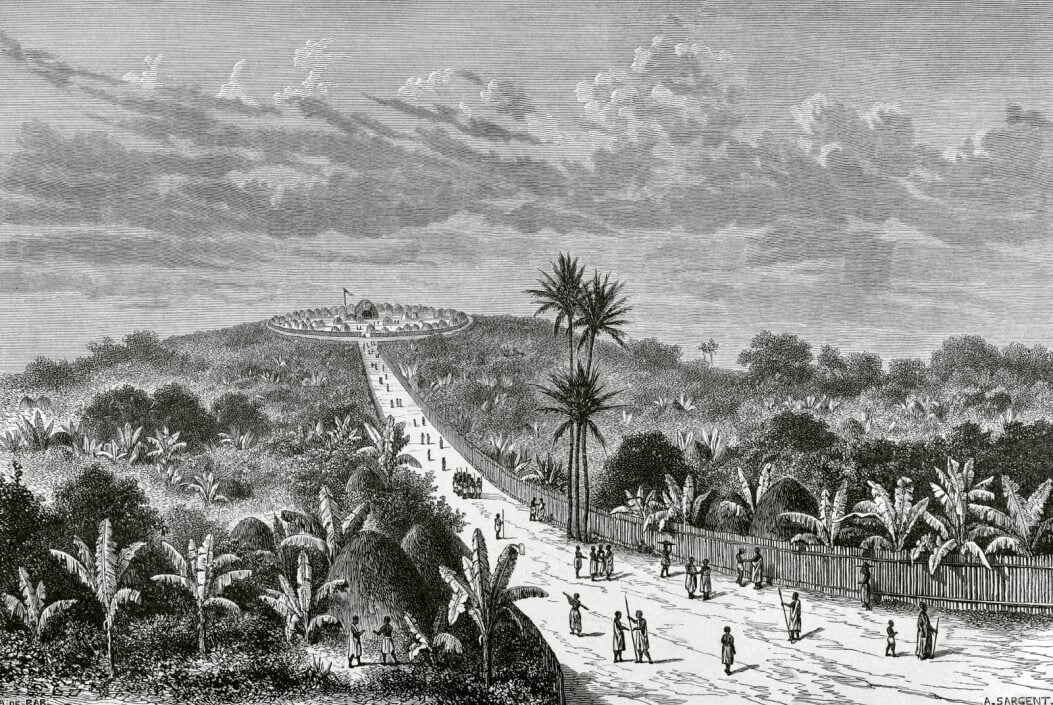
Colonial History Walk Africa: Understanding East Africa’s Colonial Past Through Its Landscapes
East Africa’s colonial period lasted about 75 years, from the 1884 Berlin Conference to independence between 1961 and 1963. During this era, colonial powers built railways, towns, administrative systems, and plantations.
These changes reshaped landscapes, economies, and communities across the region. Today, visitors can still see this history in Nairobi’s colonial buildings, the Uganda Railway, Stone Town’s slave trade sites, and old game reserve boundaries. Guided heritage walks add deeper meaning to any East Africa safari experience.
Stone Town Zanzibar: The Slave Trade’s Last East Africa Hub
Stone Town is a UNESCO World Heritage Site and one of East Africa’s most historic cities. Arab traders, Persian settlers, Portuguese explorers, Omani sultans, and British administrators shaped its streets over four centuries.
The slave market, now the Anglican Cathedral site, processed over 600,000 enslaved people in the nineteenth century. The original holding pits remain beneath the cathedral as a powerful reminder of this history.
Guided walks explore the palace district, Arab fort, Indian quarter, colonial buildings, and dhow harbor. These two-hour tours reveal Zanzibar’s complex cultural and historical connections.
Nairobi: East Africa’s Colonial Capital
Nairobi began in 1899 as a railway depot along the Uganda Railway. It served as a supply point between Mombasa and Lake Victoria. The British selected Nairobi because of its location between the coast and highlands.
The Maasai used the surrounding plains for grazing and called the area Enkare Nairobi, meaning “place of cool waters.” The colonial city developed alongside this existing landscape.
Heritage walks explore Government House, early settler clubs, the National Museum, and the railway museum. These sites reveal Nairobi’s colonial transformation over a pre-colonial pastoral landscape.
Fort Jesus Mombasa: Four Centuries of Contested Control
Fort Jesus in Mombasa Old Town was built by the Portuguese in 1593. It controlled trade routes along the East African coast. Over 300 years, Portuguese, Omani, Swahili, and British powers controlled the fort.
Its walls show different architectural influences from each period. Visitors can see Portuguese stonework, Omani changes, and British additions in one location.
Guided walks through the fort and Old Town explore Swahili streets, Arab mosques, Portuguese ruins, and colonial buildings.
The National Museum inside the fort also explains the cultures and materials linked to each ruling power.
Plan Your Safari
Colonial history walks fit well into East Africa safari itineraries through Nairobi, Mombasa, and Zanzibar. Stone Town works as a one- or two-night addition to Tanzania’s Northern Circuit safaris.
Fort Jesus offers a half-day experience for Kenya coastal visitors. Nairobi heritage walks suit arrival or departure days before or after a safari.
A certified local guide brings these sites to life. Their knowledge transforms a simple walk into an educational cultural experience.
African Wild Trekkers designs East Africa safari itineraries that include cultural and historical walk components in Nairobi, Mombasa, and Zanzibar. Contact us to plan a safari that explores East Africa’s full historical depth alongside its extraordinary wildlife.