Photo Walk Africa Safari: Guided Photography Walks in East Africa’s Wildlife Areas
Photography from a moving vehicle imposes limits that most photographers accept without fully recognising them. The camera height is fixed at the vehicle’s roof hatch level. The angle is always downward or horizontal from a metal platform. The photographer cannot move laterally to improve composition, cannot get lower for a ground-level perspective, and cannot get closer than the vehicle’s safe approach distance. A photography walk removes every one of these constraints. On foot, the photographer controls height, angle, lateral position, and approach distance — the fundamental composition variables that determine image quality. As a result, a well-guided photo walk delivers photographic access to subjects and angles that no vehicle-based photography achieves.
Subjects on a Photography Walk
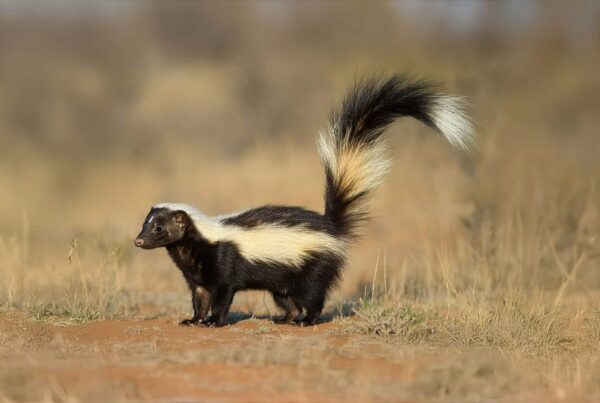
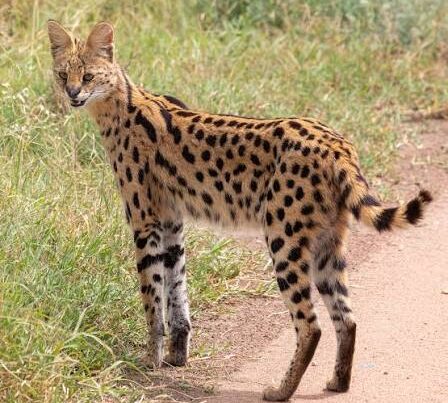
Photo walks deliver the subjects that vehicle-based photography consistently misses. Macro subjects — spiders on dew-covered webs, caterpillar patterns on bark, termite columns crossing a path, beetle tracks in sand — are inaccessible from a vehicle and extraordinary at 1:1 magnification. Ground-level perspectives on large animals, using a wide-angle lens from 2 metres above ground, produce images with foreground context, environmental depth, and scale relationships that eye-level vehicle shots never deliver. Bird photography from a stationary position with good concealment allows extended sessions at nest sites, feeding stations, and waterhole perches without the flight response that a vehicle manoeuvring triggers. Moreover, landscape and habitat photography benefits enormously from the ability to reposition on foot — finding the specific angle, frame, and light relationship that gives the image compositional weight.
Equipment for the Bush Photo Walk
A photo walk prioritises mobility over the full equipment kit that a vehicle safari allows. A single camera body with a versatile telephoto zoom — 100-400mm or 70-300mm — handles most large subject distances. A wide-angle lens in the bag provides landscape and environmental context shots. A monopod is more practical than a tripod for wildlife photography on foot — it stabilises the telephoto lens without limiting rapid repositioning. Furthermore, a close-focus macro lens or extension tubes on the wide angle expands the photo walk’s subject range into the small creature photography that yields some of the most visually striking images from any East Africa session. Neutral or earth-tone clothing, no bright sunglasses lenses, and no strong perfume constitute the practical photography walk dress code.
Light and Timing
Photography walk timing follows the same logic as all East Africa wildlife photography — dawn and dusk deliver the best light. Dawn walks begin at first light when the golden, low-angle light illuminates subjects from the side, creating texture and depth. Dusk walks end at last light when the warm descending light softens backgrounds and produces the warm tones that characterise East Africa’s most recognisable landscape images. Midday light, by contrast, is harsh, direct, and produces flat, bleached images. However, midday photo walks still produce excellent results for specific subjects — macro insects on hot, open ground, reptile thermoregulation behaviour on sun-warmed rock surfaces, and vulture activity at kills active through the middle of the day.
Plan Your Safari
Photography walks operate within walking safari areas across East Africa. Kenya’s Maasai Mara conservancies and Laikipia Plateau provide the widest range of accessible photo walk terrain and the most wildlife-dense walking environments. Tanzania’s Selous-Nyerere and Ruaha produce exceptional photo walk conditions in wilderness walking areas. Photography-specific guiding — guides with photographic knowledge of light, composition, and subject behaviour — transforms a standard walking safari into a structured photography training session. Requesting a photography-focused guide at the booking stage ensures the walk is designed around photographic opportunities rather than general wildlife observation alone.
African Wild Trekkers designs photography safari itineraries across East Africa with guides experienced in supporting wildlife photographers. Contact us to plan a safari that combines walking access with the light and subject diversity that East Africa’s wilderness delivers.