info@africanwildtrekkers.com

Kenya Travel Guide: The Complete Destination Hub for East Africa’s Classic Safari Country
Kenya is where the modern safari began. Vast open plains, seasonal wildlife migrations, and a strong tourism network make it one of Africa’s most visited destinations. Few countries match its combination of scale, wildlife density, and coastline.
Travelers come to Kenya for classic game viewing above all else. The Maasai Mara’s wildebeest migration is the country’s most famous draw. Many visitors then add on a beach stretch along the Indian Ocean coast.
This guide covers everything needed to plan a Kenya trip. It walks through entry requirements, regional highlights, activities, budgeting, and sample itineraries.
Why Visit Kenya
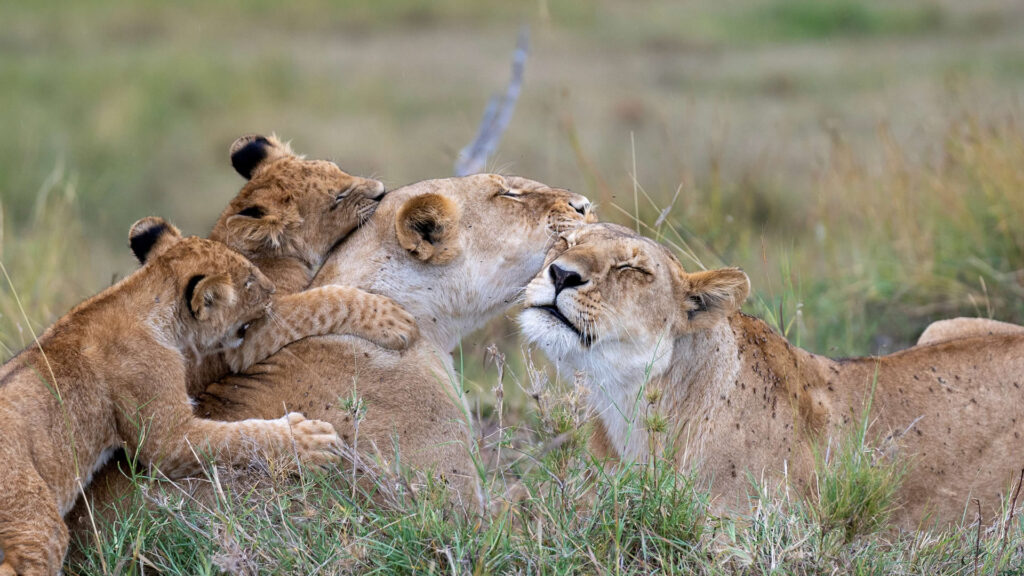
Kenya offers some of the most reliable and varied wildlife viewing on the continent. The Maasai Mara alone holds one of the highest concentrations of predators in Africa. Lions, cheetahs, and leopards are all commonly seen on a single game drive.
The country’s safari infrastructure is mature and well developed. Airstrips, lodges, and guiding standards across most parks rank among the best in Africa. This makes logistics simpler than in more remote destinations.
Kenya’s variety extends well beyond savannah. The Indian Ocean coast offers white sand beaches and historic Swahili towns. The Great Rift Valley cuts through the country, and Mount Kenya rises as Africa’s second-highest peak.
Best Time to Visit
Kenya sits near the equator, so temperatures stay warm and fairly steady throughout the year. Elevation affects comfort more than season does in many areas. Rainfall is the main factor worth planning around.
The long dry season runs from June to October. This period overlaps with the Great Migration’s arrival in the Maasai Mara. Wildebeest and zebra cross from Tanzania’s Serengeti in huge numbers, drawing crowds of visitors and vehicles alike.
A second, shorter dry season falls between late December and February. Wildlife viewing stays strong across most parks during this window. Coastal beach weather also peaks around this time, making it a good choice for a combined safari and beach trip.
The long rains fall between March and May, and shorter rains arrive around November. Parks are quieter and greener during these months. Some camps close temporarily, and certain roads become harder to navigate after heavy rain.
The Great Migration itself is not fixed to a single date each year. River crossings at the Mara River tend to peak between July and September. Even outside that window, the Mara holds strong resident wildlife populations year-round.
Entry Requirements and Visas
Most nationalities need an eTA, an electronic travel authorization, to enter Kenya. This replaced the previous visa system and must be applied for online before departure. Approval typically takes a few days, so it helps to apply at least a week in advance.
Travelers combining Kenya with Uganda and Rwanda have another option. The East Africa Tourist Visa covers all three countries under one application. It suits anyone planning a Maasai Mara safari alongside gorilla trekking further west.
A passport needs at least six months of validity beyond the entry date. One blank page should also be available for any required stamps. Proof of yellow fever vaccination may be requested for travelers arriving from endemic countries.
Domestic park fees and conservancy fees are separate from the national entry process. Many are billed per person per day and vary by park or conservancy. Booking through a tour operator usually bundles these costs into the overall itinerary price.
Getting There and Getting Around
Jomo Kenyatta International Airport in Nairobi serves as Kenya’s main gateway. Direct flights connect it to major hubs across Europe, the Middle East, Asia, and other African cities. Mombasa’s airport offers a secondary entry point for coastal travel.
Domestic flights are the most common way to reach Kenya’s parks. Small aircraft connect Nairobi to airstrips near the Maasai Mara, Amboseli, Samburu, and other key destinations. A short flight often replaces what would otherwise be a full day of driving.
Road transfers remain popular for shorter distances or budget itineraries. Amboseli and Lake Nakuru both sit within a few hours of Nairobi by road. The Maasai Mara can also be reached by road, though the drive takes five to six hours depending on conditions.
Self-driving is possible on Kenya’s main highways, though many rural park roads require a four-wheel-drive vehicle. Most first-time visitors prefer a guided vehicle with an experienced driver. Guides add real value in spotting wildlife and navigating unmarked tracks.
Regions and Top Destinations
Maasai Mara National Reserve
The Maasai Mara sits in southwestern Kenya, an extension of Tanzania’s Serengeti ecosystem. It is Kenya’s most famous reserve and the setting for the Great Migration’s dramatic river crossings. Predator sightings here rank among the best in Africa.
Private conservancies border the main reserve and offer a quieter alternative. Night game drives and off-road driving are permitted in many of these areas. This gives visitors more flexibility than the more heavily visited core reserve.
Amboseli National Park
Amboseli sits in southern Kenya, framed by views of Mount Kilimanjaro across the border in Tanzania. Large elephant herds are the park’s defining feature. Open plains make for some of the clearest wildlife photography backdrops in the country.
The park’s swamps stay green even in dry season, drawing animals from surrounding areas. This concentrates wildlife around a few key water sources. Sunrise game drives here are especially popular for the mountain backdrop.
Lake Nakuru National Park
Lake Nakuru sits within Kenya’s Great Rift Valley, a few hours from Nairobi. The park is best known for its birdlife, historically including large flocks of flamingos. Rhino sightings are also common here, thanks to a dedicated sanctuary within the park.
Nakuru works well as a shorter add-on for travelers with limited time. Its closeness to Nairobi makes it accessible without a domestic flight. Forested hills surround much of the lake, adding scenery beyond the water itself.
Samburu National Reserve
Samburu sits in Kenya’s arid north, offering a different landscape from the classic savannah parks further south. Several unique species live here, adapted to the drier terrain, including the Grevy’s zebra and reticulated giraffe. Local Samburu communities add a strong cultural dimension to a visit.
The reserve tends to see fewer visitors than the Mara or Amboseli. This gives a quieter, more exclusive feel to game drives. The Ewaso Nyiro River running through the park draws wildlife throughout the day.
Tsavo National Parks
Tsavo East and Tsavo West together form one of Kenya’s largest protected areas. Red-hued elephants, colored by the local soil, are a signature sight here. The parks sit roughly halfway between Nairobi and the coast, making them a natural stopover.
Tsavo West holds more varied terrain, including volcanic hills and natural springs. Tsavo East offers wide open plains better suited to long game drives. Both parks see fewer crowds than Kenya’s more famous reserves.
The Kenyan Coast
Mombasa, Diani Beach, Watamu, and Lamu Island all sit along Kenya’s Indian Ocean coastline. White sand beaches and warm, calm waters draw travelers looking to unwind after a safari. Coral reefs offshore support snorkeling and diving.
Lamu Island stands out for its preserved Swahili architecture and car-free streets. It offers a slower, more historic alternative to the busier mainland beach towns. Dhow sailing trips are a popular way to explore the surrounding waters.
Nairobi
Nairobi is Kenya’s capital and the starting point for most safari itineraries. It combines a modern skyline with pockets of nature inside city limits. Nairobi National Park, just outside downtown, offers game viewing with the city skyline visible in the background.
The Giraffe Centre and the David Sheldrick Wildlife Trust both sit within easy reach of the city. Markets, museums, and a growing restaurant scene round out Nairobi’s appeal. Many travelers spend a night here before or after their main safari.
Wildlife and Signature Experiences
The Great Migration stands as Kenya’s most famous wildlife event. Wildebeest and zebra cross the Mara River in massive numbers, drawing predators close behind. Crocodiles wait in the water, and the crossings themselves can be dramatic and unpredictable.
Predator sightings across the Maasai Mara are consistently strong throughout the year. Lions, cheetahs, and leopards are all resident in good numbers. Many guides know specific prides and individual cheetahs by name.
Hot air balloon safaris offer a different perspective over the Mara at sunrise. Floating silently above the plains reveals the landscape’s full scale. A champagne breakfast typically follows the landing, adding a celebratory note to the experience.
Elephant encounters in Amboseli are a highlight for many visitors. Herds numbering in the dozens move across the open plains here. The mountain backdrop of Kilimanjaro adds a dramatic scale to elephant photography.
Birdwatching across Kenya’s parks and lakes rewards patient travelers. Lake Nakuru and Lake Naivasha both support large and varied bird populations. Samburu and Tsavo add drier-country species not found in the wetter southern parks.
Cultural encounters with Maasai and Samburu communities add depth to a Kenya safari. Village visits, guided walks, and craft markets are commonly arranged near the Mara and Samburu. Many of these visits directly support local community projects.
Culture and People
Kenya is home to more than forty ethnic groups, each with distinct languages and traditions. The Kikuyu form the largest group, followed by the Luhya, Luo, Kalenjin, and Maasai, among many others. Swahili and English both serve as official languages nationwide.
The Maasai are perhaps the most internationally recognized of Kenya’s communities, known for their distinctive dress and pastoral lifestyle. Many Maasai communities now participate directly in tourism, running conservancies and cultural visits. This has helped balance conservation with local livelihoods in areas bordering major parks.
Kenyans are widely known for warmth and a strong sense of humor. Nairobi’s cosmopolitan energy contrasts with the slower pace found in rural and coastal areas. Both settings offer visitors a genuine welcome, though the rhythm of each feels distinct.
Where to Stay
Kenya’s safari lodges range from ultra-luxury tented camps to comfortable mid-range options. High-end properties in the Mara and Amboseli offer private verandas, personalized guiding, and full-board packages. Several rank among the most exclusive safari lodges anywhere in the world.
Mid-range lodges and tented camps offer a more affordable way to experience the same parks. Comfort levels remain solid even at lower price points. Many still include strong game viewing access and knowledgeable guides.
Budget campsites and smaller guesthouses are available near most park gates. Backpackers and overland travelers make up much of their clientele. The coast adds its own range of beachfront resorts, boutique hotels, and simple guesthouses for a post-safari stay.
Food and Drink
Kenyan cuisine centers on hearty staples similar to much of East Africa. Ugali, a maize-based porridge, appears alongside sukuma wiki, a simple stewed greens dish. Meals tend to be filling and built around whatever is locally available.
Nyama choma, grilled meat, holds a central place in Kenyan food culture. It is often shared among groups at casual outdoor grills. Chapati and rice commonly round out a meal alongside the meat.
Coastal cuisine adds a distinct Swahili influence, shaped by centuries of trade across the Indian Ocean. Coconut, spices, and fresh seafood feature heavily in dishes here. Kenyan coffee and tea, both grown in the country’s highlands, are widely enjoyed and increasingly recognized internationally.
Health, Safety, and Practical Tips
Malaria risk exists across most of Kenya’s lower-altitude regions, including the Mara, Amboseli, and the coast. Prophylaxis, repellent, and mosquito nets are worth using throughout the trip. Risk drops somewhat in Nairobi and other higher-altitude areas.
Routine vaccinations, along with hepatitis A and B and typhoid, are commonly recommended before travel. Yellow fever vaccination may be required depending on prior travel history. A visit to a travel clinic well ahead of departure covers most of these bases.
Kenya’s main tourist circuits are generally safe and well set up for visitors. Nairobi requires more caution than rural safari areas, particularly around certain neighborhoods at night. Standard precautions around belongings and transport apply, as they would in most major cities.
Bottled or treated water is recommended over tap water throughout the country. Sun protection matters on open savannah, where shade is often limited during game drives. Mobile data coverage is strong across most of the country, including many safari lodges.
Money, Costs, and Budgeting
The Kenyan Shilling is the local currency, though US dollars are widely accepted for park fees, permits, and many lodges. Smaller everyday purchases are best handled in shillings. Cash machines are widely available in Nairobi and larger towns.
Park and conservancy fees form a significant part of most Kenya safari budgets. These are typically billed per person per day and vary depending on the specific reserve. Private conservancies around the Mara often charge more but include a lower vehicle density.
Domestic flights add convenience but also add cost compared to road transfers. Many multi-park itineraries mix flights and road transport to balance time and budget. Balloon safaris and other add-on activities are usually priced separately from the core safari package.
Tipping is customary for guides, drivers, and lodge staff. It forms a meaningful part of local income in the tourism sector. Overall trip costs in Kenya range widely, from moderate mid-range circuits to high-end luxury lodge stays, with park fees and domestic flights as the main variable costs.
Sample Itineraries
A five-day Maasai Mara focused trip suits travelers who want to concentrate on one destination. Day one covers arrival in Nairobi and a flight or drive to the Mara. Days two and three are spent on game drives, with an optional hot air balloon safari, before returning to Nairobi on day four and departing on day five.
A seven-day classic Kenya circuit adds more variety. The first two days cover the Maasai Mara for game drives and migration viewing where seasonal. Days three and four move to Amboseli for elephant herds and Kilimanjaro views, before closing with two days in Nairobi or a short coastal extension.
A twelve-day Kenya in-depth itinerary combines the country’s major regions. It begins with the Maasai Mara for predators and migration viewing, continues to Lake Nakuru for birdlife and rhinos, and moves on to Amboseli for elephants against a mountain backdrop. A final stretch on the coast at Diani Beach or Watamu closes the trip with several days of rest.
This longer circuit works well for travelers who want both safari and beach in one trip. It avoids the rushed feeling of shorter itineraries. Most visitors who take this route describe it as the fullest way to experience what Kenya offers.
Packing List
Neutral-colored, lightweight clothing works well for game drives, since bright colors can stand out to wildlife. Layers matter more than heavy jackets, since early mornings can be cool even in warm regions. A wide-brimmed hat and strong sun protection help during long midday drives.
Comfortable, closed-toe shoes suit most safari activities, since walking safaris and bush stops are common in several parks. Binoculars are worth packing for both game drives and birdwatching. A telephoto camera lens helps capture wildlife without needing to get too close.
Swimwear and lighter clothing are worth adding for any coastal extension. Insect repellent remains important even at the coast, given ongoing malaria risk in low-lying areas. Cash in small denominations makes tipping and incidental purchases easier throughout the trip.
Frequently Asked Questions
Do I need a visa to visit Kenya?
Most travelers need an electronic travel authorization, applied for online before departure, or the East Africa Tourist Visa if combining Kenya with Uganda and Rwanda.
When is the best time to see the Great Migration?
River crossings in the Maasai Mara tend to peak between July and September, though exact timing shifts each year depending on rainfall patterns further south in the Serengeti.
Can I combine a Kenya safari with a beach holiday?
Yes. Many itineraries pair a Maasai Mara or Amboseli safari with several days at the coast in Diani Beach, Watamu, or Lamu Island.
Is Kenya safe for tourists?
Kenya’s main safari circuits and coastal resort areas are generally safe and well set up for visitors, though standard city precautions apply in parts of Nairobi.
How does Kenya compare to Tanzania for a migration safari?
Kenya’s Maasai Mara offers easier access from Nairobi and strong year-round resident wildlife, while Tanzania’s Serengeti covers a larger area and hosts the migration for more months of the year depending on the season.