Kilimanjaro vs Mount Kenya: Which African Mountain Should You Climb?
Kilimanjaro vs Mount Kenya: Choosing the Right African Mountain Climb
Africa’s two highest mountains offer very different climbing experiences. The choice between them is not simply a matter of which is taller or harder. Kilimanjaro at 5,895 metres is Africa’s highest peak and the more famous objective. It draws tens of thousands of climbers each year to its glaciated summit cone in Tanzania. Mount Kenya at 5,199 metres is the continent’s second highest peak and a far more technical mountain. Its true summit requires rock climbing skills and gear that Kilimanjaro’s non-technical routes never demand. The right choice depends on what kind of mountain experience you seek, what technical skills you have. And how you want your African mountain experience to connect with the broader East Africa adventure.
The Mountains: Fundamental Differences
Kilimanjaro and Mount Kenya are both equatorial African volcanoes. But their characters as climbs are distinct in ways that go beyond the summit elevation difference.
Kilimanjaro: Africa’s Highest Non-Technical Peak
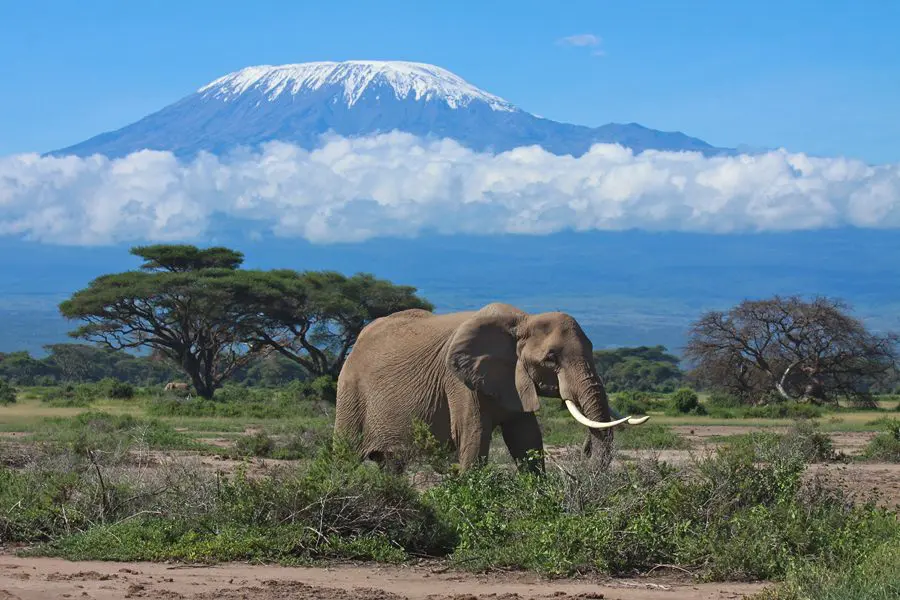
Kilimanjaro’s defining characteristic as a climbing objective is that it requires no technical skills to reach its highest point. Standard trekking routes give any climber with adequate fitness, correct acclimatisation time. And appropriate determination access to Uhuru Peak at 5,895 metres. There is no roping up, no glacier travel, no rock climbing. This accessibility is both Kilimanjaro’s greatest strength as a mountain objective and the source of overcrowding on popular routes. Tens of thousands of climbers attempt Kilimanjaro each year. Routes like Machame and Marangu see significant daily traffic during peak months.
The altitude remains Kilimanjaro’s primary challenge despite the non-technical nature of the climbing. The summit at 5,895 metres sits in the atmospheric zone where oxygen availability reduces to approximately 50 percent of sea level. The physiological stress of spending time at this altitude creates genuine difficulty for most climbers regardless of fitness level. The mountain’s impressive glaciers, volcanic crater, and dramatic landscapes make the experience visually extraordinary despite the crowded routes. Climbers whose primary goal is standing on Africa’s highest point choose Kilimanjaro.
Mount Kenya: Africa’s Technical Mountain
Mount Kenya’s highest points — Batian at 5,199 metres and Nelion at 5,188 metres — require technical rock climbing at grades that demand genuine mountaineering skill. Reaching either true summit involves multi-pitch rock climbing on granite at altitude. It also requires use of rope systems and protection, and the ability to read mountain weather with experience that casual trekkers have not developed. These technical summits appeal to experienced climbers looking for a serious mountaineering experience rather than a high-altitude walk.
Mount Kenya’s trekking summit — Point Lenana at 4,985 metres — is accessible without technical climbing. It provides a genuine high-altitude experience with spectacular scenery. The Lenana route crosses moraine, glacier outwash, and high alpine heath in terrain that feels far more rugged and exploratory than Kilimanjaro’s crowded standard routes. Fewer tourists attempt Mount Kenya than Kilimanjaro, so the mountain feels genuinely remote and uncrowded. The wildlife encountered on Mount Kenya’s lower slopes. Elephant, buffalo. And occasionally lion. Adds a safari dimension that Kilimanjaro’s national park approaches have reduced over time.
Difficulty, Time, and Cost Comparison
A direct comparison across the key practical dimensions helps climbers who are genuinely weighing the two options assess which mountain better matches their constraints and goals.
Difficulty and Success Rates
For non-technical climbing to the highest accessible point on each mountain, Mount Kenya’s Point Lenana trek is comparable in difficulty to Kilimanjaro’s standard seven-day routes. Both require good aerobic fitness, adequate acclimatisation, and appropriate cold-weather gear. Kilimanjaro is slightly higher and the altitude stress at Uhuru Peak is more severe than at Lenana. This gives Kilimanjaro a modest edge in overall physiological difficulty for the non-technical ascent. However, Kilimanjaro’s crowded routes and well-established infrastructure make it more logistically straightforward than Mount Kenya. Mount Kenya requires greater self-sufficiency and comfort with a less organised approach environment.
For the technical summits on Mount Kenya — Batian and Nelion — the difficulty comparison with Kilimanjaro is entirely different. It is not meaningful for most first-time African mountain climbers. Batian and Nelion are serious mountaineering objectives at high altitude. They require rock climbing ability at British VS grade or harder and experience with altitude-affected rope management. Either a qualified mountain guide or personal experience of multi-pitch high-altitude climbing is required. Treat these summits as aspirational objectives for your development as a mountaineer rather than accessible alternatives to Kilimanjaro for general trekkers.
Time and Cost
A standard Mount Kenya Point Lenana trek takes five to six days including approach, ascent, and descent. This compares to Kilimanjaro’s seven to nine days on the recommended longer routes. This shorter timeframe makes Mount Kenya more accessible for travelers with limited leave allowance. However, the acclimatisation time available on a five-day schedule is less generous than on a seven-day Kilimanjaro itinerary. Mount Kenya trekking costs are typically lower than Kilimanjaro. Kenya National Parks fees are significantly less than TANAPA’s Kilimanjaro fee structure. The shorter duration also reduces staff wages and food costs proportionally.
The practical consideration for many travelers choosing between the two mountains is the broader East Africa itinerary they anchor. Kilimanjaro combines naturally with Tanzania’s Northern Circuit safari and Zanzibar beach. Mount Kenya combines naturally with Masai Mara safaris and other Kenya wildlife areas. Both combinations create outstanding East Africa itineraries. The choice between mountains may ultimately depend on which country’s safari and wildlife experiences appeal more strongly rather than on the mountain comparison itself.
Who Should Climb Which Mountain
Kilimanjaro is the right choice for climbers who want Africa’s highest summit and have no technical climbing background. It suits those who want a well-supported climbing experience with excellent logistical infrastructure. It is also the right choice for those comfortable with the higher cost and more crowded routes that come with Kilimanjaro’s famous status. The mountain’s non-technical character and strong operator ecosystem make it accessible to a wide range of physically fit adults who may have no prior mountain experience.
Mount Kenya’s Point Lenana is the right choice for climbers who want a more exploratory and less crowded African mountain experience. It suits those comfortable with somewhat less developed infrastructure and those who prefer a shorter and lower-cost commitment. It also appeals to those who want to combine the climb with Kenya’s safari destinations. The technical summits of Batian and Nelion suit experienced climbers with genuine rock climbing skills. Combining both mountains — Kilimanjaro followed by Mount Kenya or vice versa — is an achievable and deeply rewarding objective for adventurous travelers with the time and fitness to do both.
Plan Your Safari
Kilimanjaro and Mount Kenya both combine naturally with East Africa safari itineraries. Planning both elements together with a single operator that covers both Tanzania and Kenya allows seamless logistics from mountain gate to safari camp. This avoids the fragmented booking that coordinating multiple operators requires.
African Wild Trekkers operates Kilimanjaro climbs across all standard routes. The team can coordinate full East Africa itineraries that combine the mountain with Tanzania safari extensions or Kenya wildlife experiences. Every package is fully inclusive from airport arrival to departure, covering all permits, guides, accommodation, and transfers.
Contact African Wild Trekkers at africanwildtrekkers.com/contact with your mountain ambitions and travel dates and we will design the right East Africa mountain and safari itinerary within 24 hours.