Uganda Power Outlets: A Practical Electricity Guide for Safari Visitors
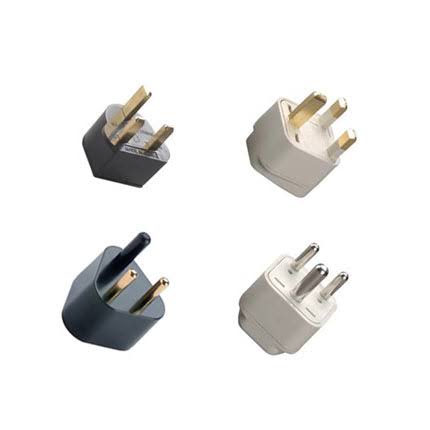
Uganda power outlets use the Type G three-pin square plug format, the same standard used in the United Kingdom and several Commonwealth countries. power outlets supply electricity at 240 volts and 50 hertz frequency. Visitors from the United States, Canada, Japan, and most of Central and South America need both a plug adapter and a voltage converter for their electronic devices because their home countries use 110 to 120 volt electricity. Visitors from the United Kingdom, Australia, New Zealand, Hong Kong, Singapore, and most of the Middle East need only a plug adapter or no adapter at all if their devices use Type G plugs already. Understanding Uganda power outlets before departure allows visitors to pack the correct adapter and avoid the frustration of arriving with incompatible plugs.
Most modern laptop computers, phone chargers, camera battery chargers, and tablet chargers are dual-voltage and accept both 110 and 240 volts. These devices display the voltage range on their charging brick in small print alongside the current rating. A device marked “100-240V 50/60Hz” works in Uganda power outlets with only a plug adapter — no separate voltage converter is required. A device marked “110V 60Hz” or with a fixed single voltage requires a step-down voltage converter to use safely in Uganda power outlets. Using a 110-volt device without a converter in a 240-volt Uganda power outlet will damage or destroy the device immediately and may create a fire or electric shock hazard.
Uganda Power Outlets and Electrical Infrastructure
Reliability of Uganda Power Outlets
Uganda power outlets in Kampala and major towns receive relatively reliable electricity supply from the national grid. Power cuts, locally called “load shedding,” occur periodically but are less frequent and shorter than in many other East African countries. Kampala’s major hotels and international lodges run backup generators that activate automatically during power failures. Uganda power outlet reliability at national park lodges varies more significantly than in the capital. Remote lodges in areas far from the national grid run on generator power during evening hours only, typically from 18:00 to 22:00, and solar during the day. Uganda power outlet availability at these remote lodges requires strategic timing of device charging.
Solar power is increasingly common at Uganda national park lodges and camp sites as a complement to or replacement for generator power. Lodges in Bwindi, Kidepo, and the more remote Queen Elizabeth satellite camps use solar panel systems that provide Uganda power outlet capacity throughout the day and into the evening. Battery storage at these solar-powered lodges maintains Uganda power outlet supply through low-sun periods and overnight. Visitors at solar-powered lodges sometimes find that Uganda power outlets in common areas like the dining room and lounge provide more reliable charging access than room outlets. Asking the lodge manager about the most reliable Uganda power outlet locations maximises device charging efficiency at remote sites.
Adapters for Uganda Power Outlets
A universal travel adapter that covers Type G plugs provides the safest and most convenient solution for Uganda power outlets for visitors from non-British countries. Universal adapters are available at Entebbe International Airport’s departure and arrival retail shops and at major Kampala electronics stores. Purchasing a travel adapter before departure from a reputable electronics retailer in your home country guarantees quality that airport retail adapters may not consistently provide. Cheap adapters sold at market stalls risk poor contact in Uganda power outlets that can damage devices or create heat in the plug socket. The few dollars saved by buying an airport market adapter is rarely worth the risk to expensive safari cameras and computers.
USB charging hubs and multi-port USB chargers that plug into a single Uganda power outlet allow multiple devices to charge simultaneously without requiring multiple adapter sockets. A four-port USB charging hub with a single Type G plug or universal adapter takes up only one Uganda power outlet socket while charging phone, camera battery, GPS, and other USB-powered devices at the same time. This is particularly valuable at remote lodges where the number of Uganda power outlet sockets in a room may be limited to one or two. Bringing a short three-socket extension lead from the same adapter standard adds flexibility at lodges where Uganda power outlets are positioned inconveniently far from the bed or desk.
Charging Devices on Uganda Safaris
Camera and Device Charging Strategy
Safari photographers carrying multiple camera bodies and lenses need a systematic charging strategy given Uganda power outlet limitations at remote lodges. Charging all batteries simultaneously during the evening generator or solar peak period ensures that every device starts each game drive day with full charge. Bringing spare batteries for cameras, drones, and GPS devices provides a backup when Uganda power outlet access during the day is unavailable. Portable power banks charged at Uganda power outlets in the evening provide mobile charging capacity during long game drives without access to vehicle power outlets. Selecting a power bank of 20,000 milliamp capacity or more provides enough mobile power for a full-day game drive for both phone and camera.
Vehicle power outlets, also called car chargers or 12-volt outlets, provide device charging options during game drives when lodge Uganda power outlets are unavailable. Most Uganda safari vehicles carry 12-volt outlets or USB charging ports that run from the vehicle’s electrical system while the engine operates. This vehicle charging capability allows continuous phone, GPS, and small camera battery charging throughout game drive hours. Confirming that your hired safari vehicle has vehicle charging outlets before departure avoids discovering this gap at the first remote game drive location. Most professional Uganda safari operators include vehicle charging capacity as a standard feature in their game drive vehicles.
Practical Tips for Uganda Power Outlets
Uganda power outlets in the Type G format require a firm, positive plug insertion to make reliable electrical contact. Loose plug connections in Uganda power outlets can create intermittent charging that leaves a device partially charged after an overnight session. Checking that the adapter and device plug seat firmly in the Uganda power outlet socket before leaving devices to charge overnight prevents this problem. Some Uganda lodges have Uganda power outlets with loose fittings from heavy use. Reporting loose Uganda power outlet sockets to lodge management prompts replacement before the fitting becomes a safety issue.
Surge protection in Uganda power outlets is not standard and voltage fluctuations during generator startup and shutdown can damage sensitive electronics. A surge-protected extension lead or travel adapter provides device protection that simple plug adapters do not offer. This protection is most valuable at remote lodges that run generator power rather than a stable grid supply. The cost of a surge-protected travel adapter is modest compared to the cost of replacing a damaged laptop or camera on a Uganda safari. Packing surge protection as part of the Uganda power outlet kit alongside the voltage adapter is standard advice in any comprehensive Uganda safari packing list.
Plan Your Safari
Pack a Type G plug adapter or universal travel adapter before departing for Uganda. Check the voltage range on every device charger and bring a step-down voltage converter for any device that does not support 240 volts. Bring a USB multi-port charging hub and a 20,000 milliamp power bank to maximise device charging at remote Uganda lodges with limited Uganda power outlets.
African Wild Trekkers provides pre-departure packing guidance for Uganda safari visitors including Uganda power outlets advice for visitors from all countries. We confirm the Uganda power outlet availability and generator hours at every lodge on your itinerary before departure so you know what to expect at each destination.
Contact African Wild Trekkers to plan your Uganda safari. We respond within 24 hours and provide complete pre-departure guidance including Uganda power outlets, packing lists, visa requirements, and health preparation for every client.