Uganda Driving Guide: Everything You Need to Know for a Self-Drive Safari
This Uganda driving guide covers the road conditions, vehicle requirements, traffic rules, and practical driving tips that self-drive safari visitors need for navigating Uganda confidently. Uganda drives on the left side of the road, following the British traffic law inherited from the colonial period. This Uganda driving guide applies both to visitors who hire a vehicle in Uganda and to those who cross into Uganda from Kenya with a hired or personal vehicle.
Road quality varies dramatically across Uganda from the excellent tarmac of the Kampala-Masaka and Kampala-Mbarara highways to the deeply rutted dirt tracks inside some national parks. This Uganda driving guide explains how to select the right vehicle for each route and how to manage the road conditions that differ from what most international visitors encounter at home.
A 4WD vehicle is the minimum recommended vehicle for any Uganda driving guide itinerary that includes national park game drive tracks. Most park internal roads are unpaved, and many become seriously muddy and difficult during the wet seasons. The Uganda driving guide strongly advises against entering Bwindi, Kidepo, or any national park with a 2WD vehicle during the April to May or October to November rainy periods. A high-clearance 4WD vehicle with a locking centre differential handles the full range of Uganda national park road conditions that this Uganda driving guide encounters.
Uganda Driving Guide: Roads and Routes
Main Highway Roads in This Uganda Driving Guide
The Kampala-Entebbe expressway provides Uganda’s best road infrastructure and connects the international airport to the capital in 35 to 45 minutes without the traffic delays of the old Entebbe road. The Kampala-Masaka highway is two-lane tarmac in reasonable condition for most of its length and suits the Uganda driving guide’s standard safari vehicle. The Kampala-Mbarara highway connects the capital to southwestern Uganda on good tarmac for most of the 260-kilometre route.
The Kampala-Gulu highway, recently upgraded, covers the northern Uganda route to Murchison Falls on excellent tarmac that this Uganda driving guide rates as the most improved major route in recent years.
The Fort Portal-Kasese road and the Mbarara-Kabale road in western Uganda are the two most important tarmac routes for the western Uganda safari circuit in this Uganda driving guide. Both are single-lane tarmac with good surfaces for most of the route. The Kabale-Kisoro road in the far southwest connects the Lake Bunyonyi area to Mgahinga Gorilla National Park on a winding highland tarmac that requires careful driving on blind corners.
The Fort Portal-Bundibugyo road that descends into the Semliki Valley is the steepest and most challenging tarmac section in the Uganda driving guide. Its hairpin descent from the Rwenzori escarpment to the valley floor requires careful brake management and a vehicle in excellent mechanical condition.
Uganda Driving Guide: National Park Roads
National park road conditions in this Uganda driving guide vary from passable dirt to seriously degraded tracks depending on recent rainfall and maintenance. Murchison Falls National Park’s north bank game drive roads are flat, wide dirt tracks that a standard 4WD handles comfortably in dry conditions. Queen Elizabeth National Park’s Kasenyi and Ishasha sector roads are similarly manageable in dry conditions but become muddy and slippery after heavy rain.
Bwindi Impenetrable Forest access roads are steep dirt tracks that this Uganda driving guide considers the most technically challenging of any Uganda national park approach road. A high-clearance 4WD with good tyres is mandatory for the Bwindi roads during and after rain.
Kidepo Valley National Park has the most remote access road in this Uganda driving guide. The road from Kampala to Apoka inside the park covers 700 kilometres of mixed tarmac and long sections of unpaved road through Kitgum. Self-drive visitors to Kidepo should carry sufficient fuel for the journey as petrol stations are sparse north of Gulu. This Uganda driving guide recommends flying to Kidepo rather than driving for visitors without specific off-road driving experience. The security situation north of Gulu has improved significantly and the road is generally passable for experienced 4WD drivers, but the journey takes a full day in each direction.
Uganda Driving Guide: Rules and Safety: Uganda Traffic Laws in This Uganda Driving Guide
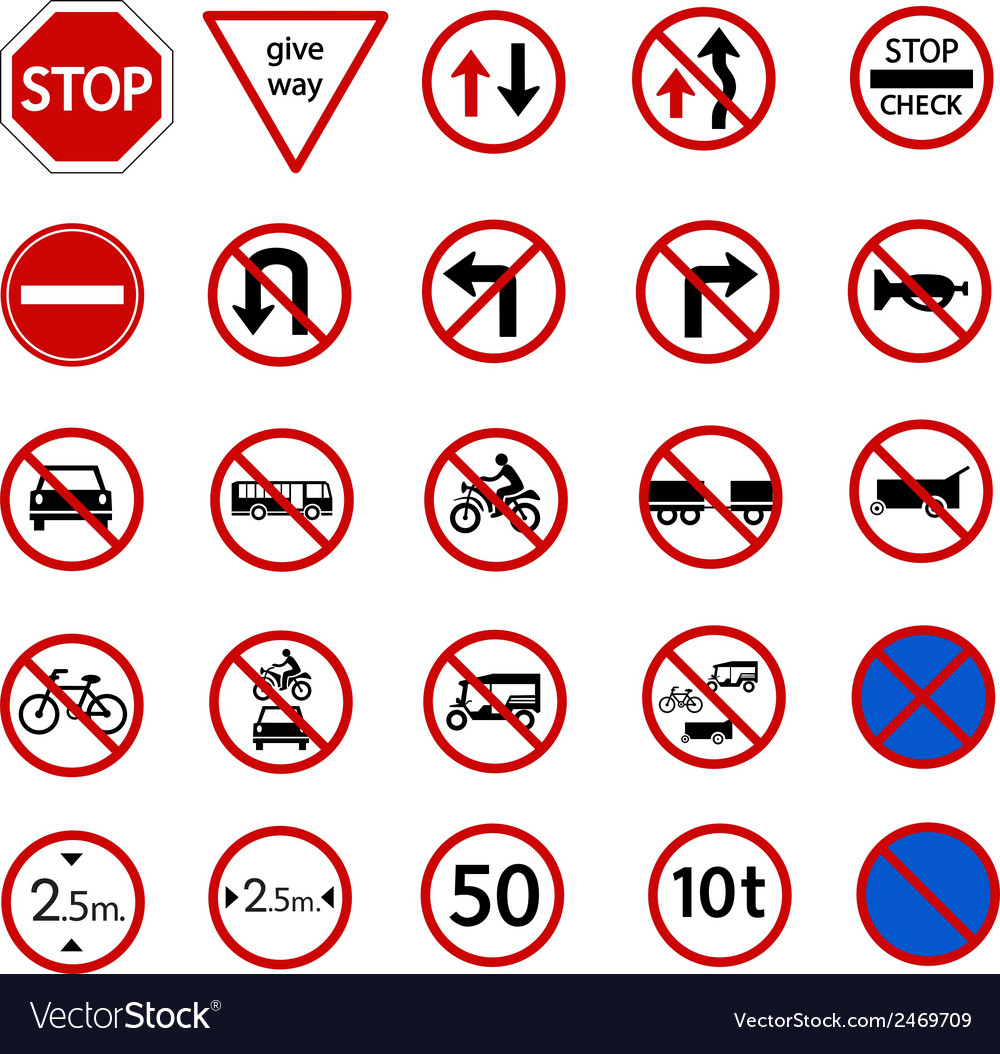
Uganda drives on the left side of the road and uses a right-hand drive vehicle configuration. Speed limits in this Uganda driving guide are 50 kilometres per hour in urban areas and 80 kilometres per hour on main highways unless otherwise posted. Police checkpoints appear regularly on major Uganda roads and this Uganda driving guide advises maintaining all speed limits strictly as police enforce them with radar. Seatbelts are compulsory for front passengers throughout Uganda.
Mobile phone use while driving without a hands-free device carries a police fine. Night driving outside Kampala and major towns is not recommended in this Uganda driving guide due to pedestrians, cyclists, and unlit vehicles sharing the road.
Police roadblocks are a standard feature of Uganda road travel and this Uganda driving guide advises having all vehicle and personal documents readily accessible for inspection. Required documents at Uganda police roadblocks include a valid driving licence, vehicle registration papers, third-party insurance certificate, and a valid passport. Officers at roadblocks are generally professional and process legitimate vehicles quickly.
Cooperating respectfully with police requests and allowing document inspection without argument produces the fastest clearance at any Uganda roadblock. This Uganda driving guide’s advice of keeping documents in a consistent and accessible location avoids the frustration of searching while traffic builds behind a stopped vehicle.
Uganda Driving Guide: Fuel and Mechanics
Fuel availability in this Uganda driving guide is reliable in all major towns and along main highway routes. Petrol and diesel are available at Total, Vivo Energy, and Gapco stations throughout the main Uganda road network. Rural areas and national park access roads sometimes lack fuel stations within reasonable distance.
This Uganda driving guide recommends topping up the vehicle tank whenever the gauge reaches the half level on any rural Uganda route. Carrying a 20-litre fuel jerry can provides additional security on remote routes where this Uganda driving guide identifies fuel stations as sparse or unreliable.
Vehicle breakdown services in Uganda are available in major towns but rural support is limited and response times are slow. This Uganda driving guide recommends ensuring that the hired vehicle carries a spare tyre in functional condition, a tyre pump, tyre levers, basic tool kit, and a first aid kit before any national park drive.
Punctures on national park gravel roads are the most common Uganda driving guide breakdown scenario. Knowing how to change a tyre efficiently before the national park visit eliminates this breakdown as a major itinerary disruption. Most Uganda vehicle hire operators provide a driver alongside the vehicle as standard, which resolves both the navigation and mechanical aspects of the Uganda driving guide’s most common practical challenges.
Plan Your Safari
Use this Uganda driving guide to select a 4WD vehicle for any itinerary that includes national park game drives or access roads during the wet season. Hire a driver from your Uganda vehicle operator if you are unfamiliar with left-hand traffic or challenging dirt road conditions. Download offline maps before departure for the Uganda routes where mobile data signal is unreliable.
African Wild Trekkers provides experienced driver-guides and well-maintained 4WD vehicles for all Uganda safari routes. Our drivers know current road conditions, police roadblock locations, and fuel stop sequences on every Uganda safari circuit. We manage all driving logistics so clients focus on the wildlife and cultural experiences throughout the safari.
Contact African Wild Trekkers to arrange a Uganda safari with a professional driver-guide. We respond within 24 hours and provide the full Uganda driving logistics for any itinerary from Kampala to Kidepo.